Listen to New Voices on Studs Terkel our partnership with 826CHI-here! Read the Story


Showing 21 - 27 of 27 results
-

Herbert Kohl discusses Myles Horton and the book "The Long Haul: An Autobiography"
Apr. 5, 1990 Progressive educator Herbert Kohl discusses educator and founder of the Highlander Folk School Myles Horton and the book about him, "The Long Haul: An Autobiography." The book was written by Herbert Kohl and his wife, Judith Kohl.
-
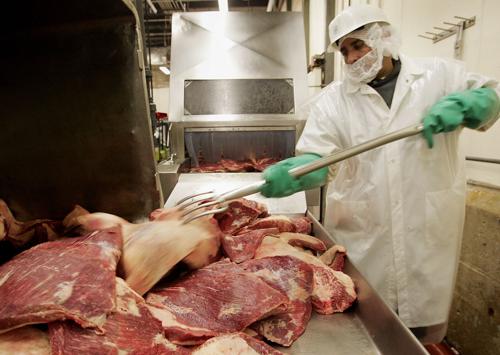
Barbara Kopple discusses her documentary "American Dream"
Mar. 20, 1992 Academy Award winning documentarian Barbara Kopple talks with Studs about her documentary "American Dream" and the battle fought and lost by union workers in Austin, Minnesota during the mid-80s. They set the backdrop in the small, tight-knit community that Hormel Foods had such a profound impact on, how the UFCW international union declined to support the local union, the gripping dynamics between family members who crossed picket lines, and the healing that occurred when the film was screened in the town several years later.
-
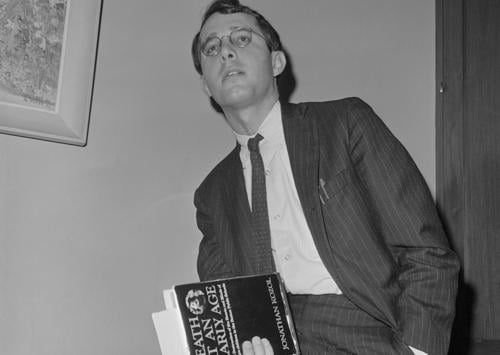
Jonathan Kozol discusses his book "Children of the Revolution: A Yankee Teacher in the Cuban Schools"
Nov. 10, 1978 Studs has a spirited discussion with Jonathan Kozol who shares his adventures and learnings in Cuba that formed the basis of his book "Children of the Revolution: A Yankee Teacher in the Cuban Schools." Kozol explains the ambitious Cuban Literacy Campaign begun in the 1960s that aimed to educate the entire population, tells of children teaching adults in remote villages by lantern light, and the unity and national pride that resulted. He and Studs explore the idea of generative words in literacy education and contemplate Kozol's hope to adapt a similar approach to American education.
-
Joseph Collins discusses his books "Now We Can Speak" and "What Difference Could a Revolution Make?"
Feb. 8, 1983 Discussing the books "Now We Can Speak: A Journey Through the New Nicaragua" and "What Difference Could a Revolution Make?: Food and Farming in the New Nicaragua" with the author Joseph Collins.
-
Cesar Chavez discusses unionizing migrant farm workers
Jun. 4, 1973 Cesar Chavez discusses unionizing migrant farm workers, and how nonviolent tactics made the farm workers' struggle a cause with nationwide support(grape boycott). Includes excerpt from Hard Times: Voices of the Great Depression.
-
Scott and Helen Nearing discuss their book "Living the Good Life"
Nov. 13, 1970 After being thoroughly disillusioned and disgusted with city life, Scott and Helen Nearing moved to a farm. They talk about homesteading in their book, "Living the Good Life: How to Live Sanely and Simply in a Troubled World". They built their house of stone and they farmed the land. They ate no meat, as they didn't believe in hunting or killing animals. The Nearings hadn't seen a doctor in over 40 years.*Please note: some sections have been edited out from the original recording due to copyright considerations
-