Listen to New Voices on Studs Terkel our partnership with 826CHI-here! Read the Story


Showing 1 - 10 of 62 results
-
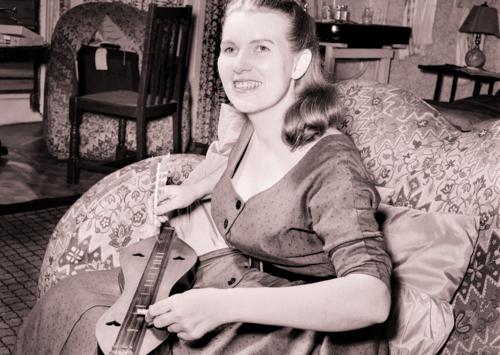
Jean Ritchie discusses her career and music
Apr. 29, 1977 Jean Ritchie discusses her life, music, experiences, and career. She also discusses folk music. Includes songs performed by Jean Ritchie including "Shady Grove", "None But One", "Sweet Sound in the Wind", "Riddle Song" (sung with Oscar Brand), "See That Rainbow Shine", "Black Waters" (sung with Janis Ian), "Now is the Love of the Day", "Little Lonesome Dove", "Barbry Allen", "Brightest and Best", and "Now Is The Cool of the Day".
-
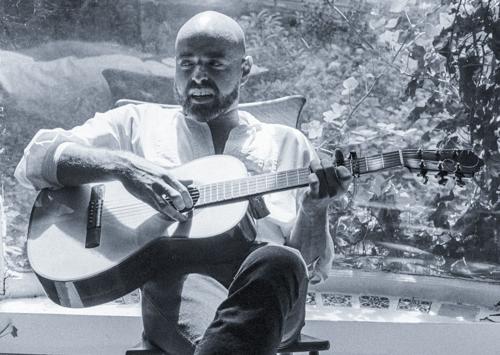
Shel Silverstein discusses his books, children's literature, and art; part 2
Nov. 20, 1961 Shel Silverstein discusses his books and children's literature, and art. Shel Silverstein discusses his contemporaries, art, and life experiences.
-
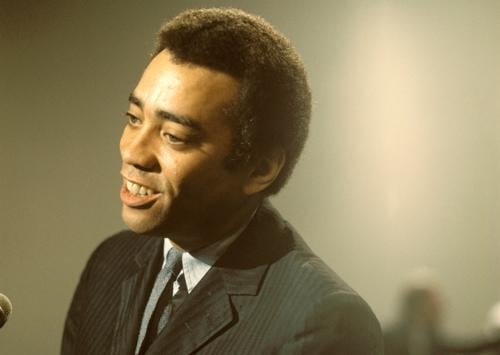
Presenting music with Oscar Brown, Jr
Jun. 6, 1977 Music performance by Oscar Brown, Jr.
-

Blind John Davis discusses Chicago blues
Sep. 20, 1977 Blind John Davis, Chicago blues pianist, discusses his time playing in Germany and at the Blue Note jazz club, chitlin' parties, growing up on the West side of Chicago. He also recalls meeting and working with musicians like Tampa Red and Big Bill Broonzy. Music has been removed from this recording for copyright reasons.
-
Willie Dixon and Koko Taylor discuss the blues and how you create blues music
1982 Studs interviews Willie Dixon and Koko Taylor about the blues. They discuss their song "Insane Asylum" and their work together. Dixon uses his song "Little Red Rooster" to help explain how the blues are created from life experiences. Taylor reflects on singers like Willie Dixon, Memphis Minnie, and others who influenced her desire to sing the blues. Taylor also discusses European audiences and blues influence there. The musical numbers are removed from this edited version of the original recording.
-
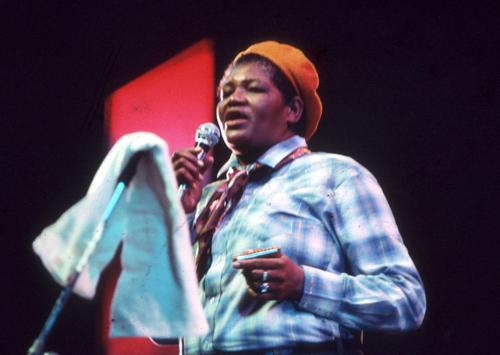
Willie Dixon, Sunnyland Slim and Big Mama Thornton discuss their careers in the blues and describe some of their songs
1970 Studs interviews blues singers Willie Dixon, Sunnyland Slim, and Willie Mae Big Mama Thornton about the blues. They discuss the blues festival in Chicago for which they are all in town for and name other musicians who will be performing. Sunnyland Slim talks about being on the road and the hard times. Thornton describes the blues as music made from life experiences.
-
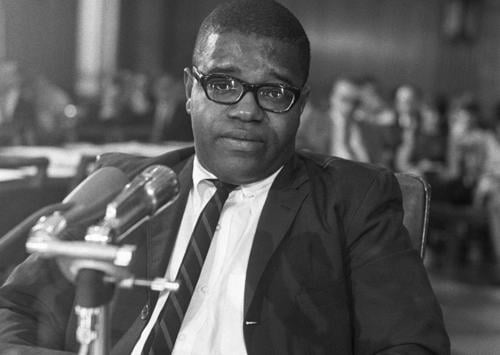
Claude Brown talks with Studs Terkel
Sep. 13, 1965 Discussing the book "Manchild in the Promised Land" with Claude Brown. Brown also discusses growing up in Harlem, New York as an African American man. Includes a clip of a man speaking from the county jail. Includes a song sung by Mahalia Jackson. Includes a clip of children singing.
-
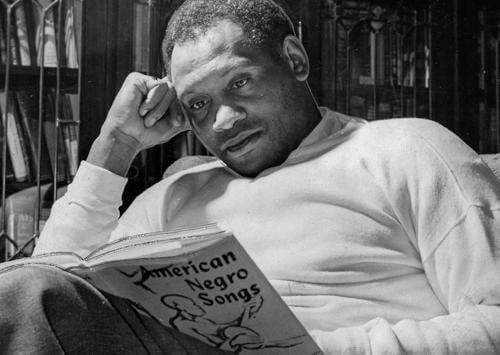
Gathering of friends discussing Paul Robeson
May. 8, 1970 Recorded live on Chicago's South Side. Robeson is ill at the time of recording. Speakers: Earl Dickerson, Etta Moten Barnett, Judge Sidney Jones, J. Mayo "Ink" Williams, Joan Brown (possibly Abena Joan Brown), Charles Hamilton, Margaret Burroughs, [John Gray's sister], [Stevens?]
-
Big Bill Broonzy discusses the blues ; part 2
Jul. 22, 1953 Big Bill Broonzy discusses the blues and growing up in Arkansas with parents who were former slaves. He talks about the family dynamic and sings: "Willie Mae", "Crawdad song", "Going down this road feeling bad" and "John Henry".
-
Big Bill Broonzy discusses the blues ; part 1
Jul. 22, 1953 Big Bill Broonzy discusses the blues and growing up in Arkansas with parents who were former slaves. He talks about the family dynamic and sings: "Crying Joe Turner", "C.C. Rider", "Make my get away", and " You've got to stand your test in judgement" . Part 1