Listen to New Voices on Studs Terkel our partnership with 826CHI-here! Read the Story


Showing 1 - 10 of 34 results
-

-
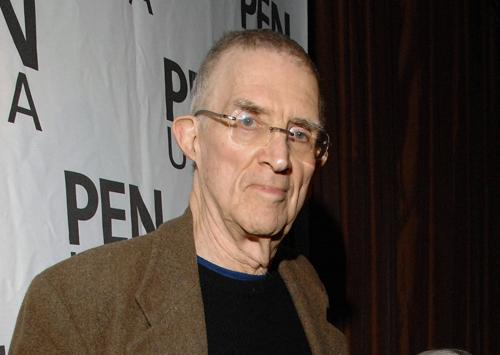
Clancy Sigal discusses his book “Zone of the Interior”
Jun. 11, 1992 Clancy Sigal and Studs Terkel discuss Sigal’s book “Zone of the Interior” and the role that schizophrenia plays in it. Both Sigal and Terkel read excerpts from Sigal’s book.
-
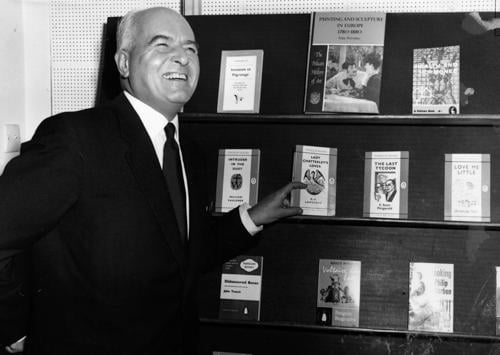
Interview with Sir Allen Lane
1962 Studs discusses books with Sir Allen Lane and labor with his driver, Clifford Bosley, while Studs was visiting the UK in 1962. The main topic of conversation with Sir Allen Lane is the history of paperback books in both the UK and the US. Lane, along with his brothers Richard and John Lane, founded Penguin Books in 1935. This made both fiction and nonfiction literature widely available to the general public. Literacy amongst the masses is discussed, as is censorship. Studs' interview with Clifford Bosley begins at 32:33.
-
Interview with Sir Allen Lane
1962 Studs discusses labor with Sir Allen Lane's driver, Clifford Bosley, while Studs was visiting the UK in 1962. Studs and Bosley discusses life in Wales for coal mining families. Topics include literacy, camaraderie, singing, health concerns, and culture amongst colliers and their families.
-
Roddy Doyle discusses his book "Paddy Clark Ha Ha Ha" winner of England's The Man Booker Prize
Jan. 24, 1994 Studs interview with Roddy Doyle, Irish writer, and author of "Paddy Clark Ha Ha Ha." Doyle reads several times from the book. Studs also reads a few lines from the book. Doyle describes the book set in the Republic of Ireland in the 1960's that portrays the life of a small boy. He discusses the characters and themes of the book that relate to real-life. Doyle speaks about his own childhood that is not reflected in the book. Studs notes that the musical comedy-drama film "Commitments" is based off Doyle's book.
-
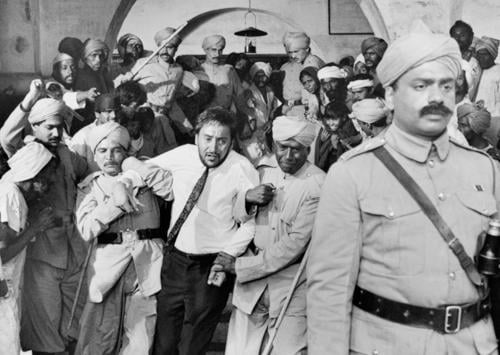
Victor Banerjee discusses the film "Passage to India"
Apr. 23, 1985 In addition to talking about the film "Passage to India," Victor Banerjee, also talks about Gandhi and India's class system. Included in this interview are excerpts of Satyajit Ray and Shanta Gandi.
-
Robert Morley discusses the youth and Kenneth Allsop discusses people from his book
1962 Robert Morley, stage and screen actor, starring in Ustinov's "Halfway Up the Tree," discusses education, technology and youth and the changes in the social makeup because of technology.
-
Albert Alvarez discusses his book "Beyond All This Fiddle: Essays, 1955-1967;" part 2
1972 Albert Alvarez, poet, writer and critic, discusses how technology advancement is changing society. Specifically he discusses war in general, the Holocaust and advancements in destructive weapons. "Beyond All This Fiddle: Essays, 1955-1967."
-
Interview with Barbara Cartland
Mar. 5, 1970 Interviewing Barbara Cartland at her castle and a Welsh physician in Tavistock Square while Studs was in England.
-
Interview with Barbara Cartland
Sep. 17, 1970 Discussing British depression with Barbara Cartland at her castle (part 2) while Studs was in England.