Listen to New Voices on Studs Terkel our partnership with 826CHI-here! Read the Story


Showing 221 - 230 of 393 results
-
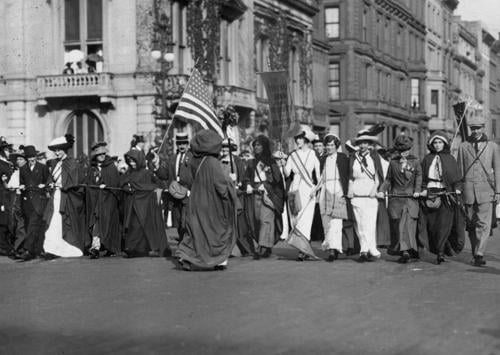
Paul Angle, historian and writer, and Win Stracke, folk musician, discuss "Crossroads: 1913," part 3
Jul. 1, 1963 Paul Angle discusses his book "Crossroads: 1913," and Win Stracke provides a musical review. The three gentlemen talk in depth about the book with live and recorded music interspersed. Music: "Water--Oh!, Water For Me" and "The Rosary." "The Voice of Vienna" (a waltz).
-

James Cameron and Studs Terkel discuss their experience in Lincoln Park and how the peaceful demonstration changed to violence with the use of police tear gas ; part 1
Aug. 28, 1968 Studs Terkel and James Cameron talk about their witness of the peaceful demonstration at Lincoln Park the night before. They discuss the kind and caring interaction between older adults and the young. Both reflect on how the event changed from peaceful to somewhat violent when police gathered and used tear gas on the crowd.
-
Herman Kogan, Helen Malone in conversation with Studs Terkel
Feb. 20, 1960 As a tribute to Nelson Algren after his death, a collection of his writing is dramatized in this radio program titled "Come in at the Door."
-
Patrick Zimmerman discusses his teaching methods for childhood education in low-income neighborhoods ; part 2
Sep. 1, 1970 Former public school teacher Patrick Zimmerman continues discussing his alternative teaching methods for childhood education in low-income and underrepresented communities in Chicago. Zimmerman discusses how the scientific emphasis of schooling today is stifling a child’s success in the classroom and calls instead for a balance between a scientific approach and a free-school approach.
-
Patrick Zimmerman discusses his teaching methods for childhood education in low-income neighborhoods ; part 1
Sep. 1, 1970 Former public school teacher Patrick Zimmerman discusses education and the free school movement for low-income and underrepresented communities in Chicago. Zimmerman discusses his time spent as a public school teacher and how this inspired his transition to teaching using alternative schooling methods in childhood education.
-
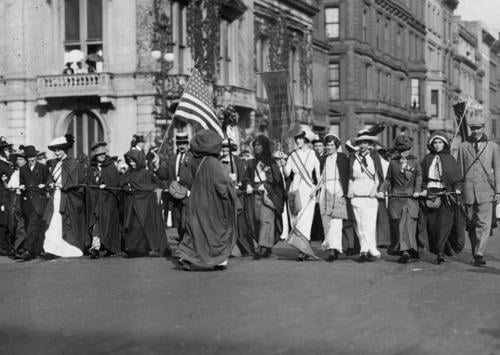
Paul Angle, historian and writer, and Win Stracke, folk musician, discuss "Crossroads: 1913," part 2
Jul. 1, 1963 Paul Angle discusses his book "Crossroads: 1913," and Win Stracke provides a musical review. The three gentlemen talk in depth about the book with live and recorded music interspersed. Songs include: "Casey Jones - The Union Scab," "Sweet Adeline," "We Shall Overcome," "Oh, Dear, What Can the Matter Be," and "Immortality" by William Jennings Bryan (1908).
-
-
Gwendolyn Brooks discusses her poetry
Jan. 3, 1961 Gwendolyn Brooks, Poet Laureate of Illinois, talks about her poetry, her books, and some of her influences.
-
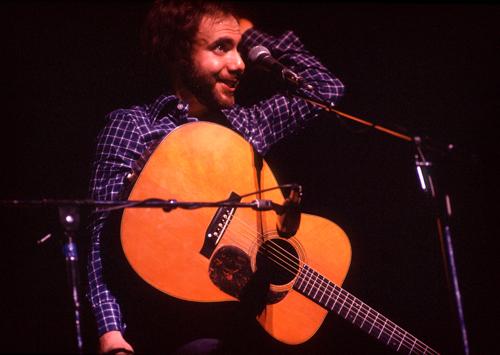
Steve Goodman discusses his album "Words We Can Dance To"
Apr. 30, 1976 Studs Terkel presents a “musical portrait” of Steve Goodman with the musician joining him in the studio to discuss, listen to, and play songs from his album “Words We Can Dance To.” Goodman begins by performing the blues song “Glory of Love,” and Terkel plays a clip from Big Bill Broonzy’s rendition of the song; Goodman cites Big Bill as one of his many influences. Goodman also plays an old jazz song called “When the Red, Red Robin,” with Terkel connecting that song to his first memories of jazz.
-