Listen to New Voices on Studs Terkel our partnership with 826CHI-here! Read the Story


Showing 21 - 30 of 42 results
-
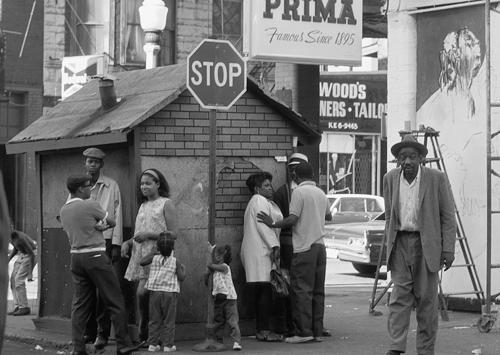
Jan Hestor, Curtiss Brooks and Dr. Philip Hauser discuss racial discrimination in Chicago ; part 5
1965 The discussion of discrimination in metropolitan Chicago continues with Jan Hestor, Curtiss Brooks and Dr. Philip Hauser talking about bigotry, prejudices, open occupancy and education. Included in this part of the interview is an excerpt of 17 year-old Jimmy talking about how his grandmother would rather work than be on welfare.
-

Interviewing Elizabeth Wood ; part 2
Feb. 6, 1964 Wood, the first (ca. 1950s) Executive Secretary of the Chicago Housing Authority, about her experiences as a social worker in the United States and at international programs funded by the Ford Foundation, and about public housing.
-
Discussing Chicago architecture with Carl Condit and Maurice English ; part 2
1964 Condit wrote the book The Chicago School of Architecture: A History of Commercial and Public Building in the Chicago Area, 1875-1925, and English edited The Testament of Stone: Themes of Idealism and Indignation from the Writings of Louis Sullivan.
-
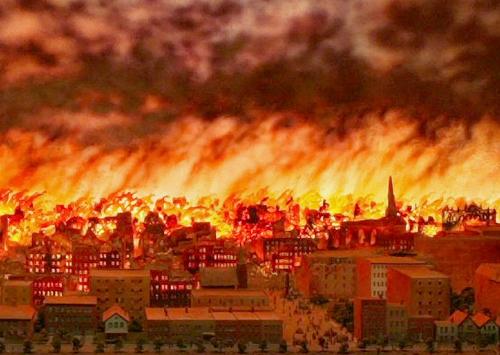
Ross Miller discusses his book "American Apocalypse: The Great Fire and the Myth of Chicago"
Jun. 7, 1990 Author Ross Miller discusses his latest work, which centers around Chicago and the aftermath of the Great Chicago Fire and its effects on rebuilding the metropolis and the advantages of gaining a new take on architecture and society.
-
Interviewing environmentalists and a representative from Commonwealth Edison
Jun. 26, 1986 Studs Terkel discusses the energy and environment with Scott Bernstein, Frank Clark, and Amory B. Lovins. They talk about the company, Commonwealth Edison, and how the city has the right to grant or not grant franchises.
-
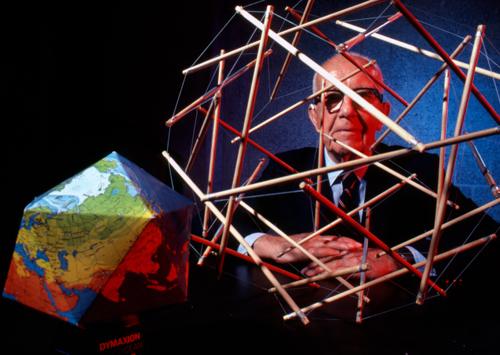
R. Buckminster (Richard ) Fuller talks with Studs Terkel
Jan. 20, 1965 A sprawling conversation with R. Buckminster Fuller including his great aunt Margaret Fuller, future communication, the nature of work, human nature, and physics.
-
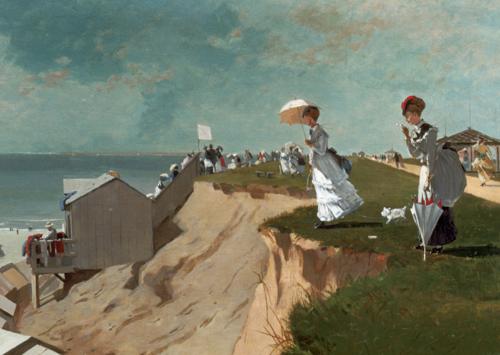
Richard McLanathan discusses his book "The American Tradition in the Arts"
1969 Richard McLanathan discusses his book "The American Tradition in the Arts" and takes Studs on a sprawling journey through artistic breakthroughs in architecture, painting, literature, and more while touching on dozens of artists and their works.
-
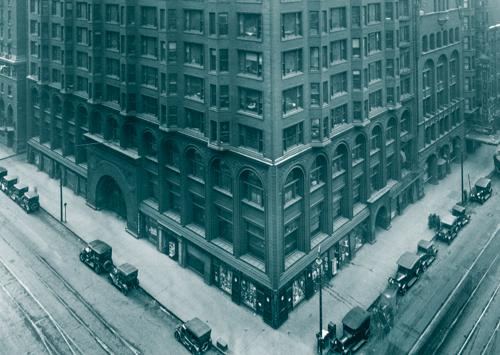
David Lowe discusses his book "Lost Chicago"
Dec. 8, 1975 Discussing the book "Lost Chicago" with the author David Lowe.
-
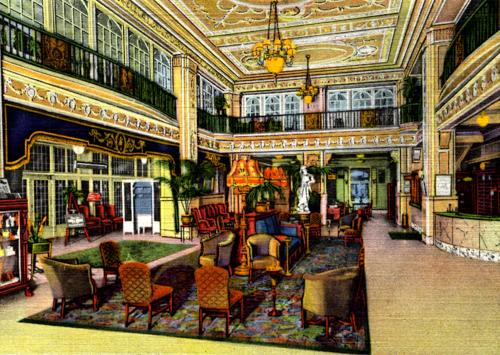
David Lowe discusses the history and story behind the architecture of Chicago from his book "Chicago Interiors"
Nov. 7, 1979 Studs interviews David Lowe about his book, "Chicago Interiors." Studs begins the interview with John Carpenter’s “Skyscrapers.” Studs leaf’s through the book as they discuss various photos and Lowe describes the history of various structures from the book that includes Chicago history. They discuss the history of architecture in Chicago and highlight various famous architects. Lowe explains how the industrial revolution, foreign countries and the Chicago fire all influenced Chicago architecture.
-