Listen to New Voices on Studs Terkel our partnership with 826CHI-here! Read the Story


Showing 1 - 10 of 393 results
-

John Ray, Jimmy Ray and Henry discuss life in Chicago; part 2
1968 Jimmy Ray, John Ray, and Henry discuss their personal feelings on a variety of topics including religion, every day life, and what an ideal world looks like.
-
Jimmy Ray discusses his ideal future, music, and concerns with the country; part 1
1968 Jimmy Ray talks about what he would like a future marriage to look like, music he likes and why, and things he worries about in the country; part 1.
-
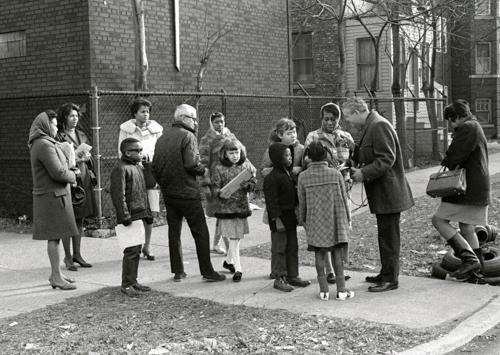
Chicago school teachers and principals discuss Chicago schools
1970 Discussing the state of West side Chicago schools with a panel of teachers and principals from four different schools.
-
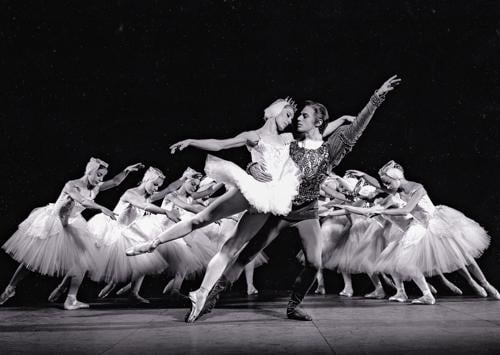
Lucia Chase discusses the American Ballet Theater's Swan Lake at the Civic Opera House
Feb. 15, 1967 Lucia Chase discusses the rehearsal and performance of Swan Lake of the American Ballet Theater at the Civic Opera House. Includes Peter Ilich Tschaikovsky music from Swan Lake.
-
Rose Rigsby and Betty Shifflett discuss writing and being a writer
Jun. 7, 1971 Rose Rigsby a writer and poet is interviewed along with Betty Shifflett, who teaches fiction at Columbia College. Ms Rigsby and Ms. Shifflett talk about writing with Studs. Ms. Rigsby reads from her stories and about her time in the Sanitarium and receiving shock therapy. Several excerpts are presented from an interview with Rose Rigsby speaking about children and of taking care of them. (1925145-3-1)
-
Ned Rorem discusses his writing and compositions
1966 Ned Rorem discusses the differences between writing books and writing compositions, his book "The Paris Diary of Ned Rorem", and how he uses poetry in his compositions.
-
Jimmy discusses work ethic and dreams; Carolyn and May Rose discuss daily life, and worries; part 2
1968 Jimmy discusses work ethic and pride. High school students Carolyn and May Rose describe a typical day, future plans and worries. All talk about what the world would look like if they were God. Part 2
-
Jimmy discusses his daily life, his dreams, and worries; part 1
1968 Jimmy talks about how he spends his day, fantasies and daydreams, worries about the future, and family life; part 1.
-
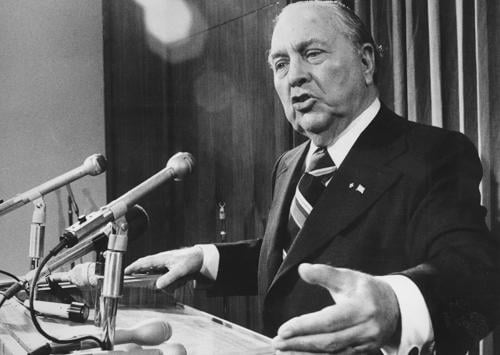
Studs Terkel discusses contemporary Chicago politics with Dick Simpson and Mike Royko
Jul. 22, 1971 Discussing Mayor Daley and nepotism in government with Alderman Dick Simpson, and author-journalist Mike Royko. Includes clips of Mayor Daley defending his appointment of Thomas P. Keane, son of Alderman Tommy E. Keane. Also includes Mike Royko reading his column from the "Chicago Daily News" July 22, 1971.
-
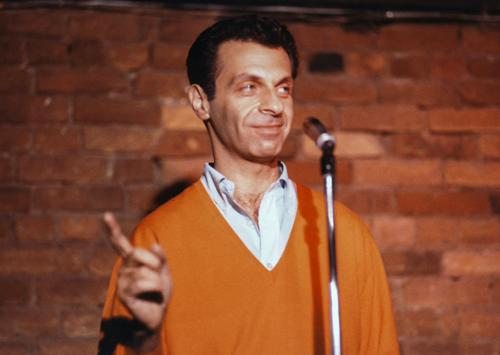
Mort Sahl discusses his career in comedy and paranoia in politics
Aug. 11, 1983 Humorist and commentator Mort Sahl talks with Studs Terkel on the roof of Sahl’s Chicago hotel. The two briefly discuss Lenny Bruce’s legacy, but Sahl is quick to discuss a topic he brings up frequently in this interview: American’s criticism of “paranoia” and the U.S. government’s power to persuade. Sahl criticizes his young audiences for being uneducated and discuss the United State’s involvement in the Vietnam War. He also speaks briefly on liberals in Chicago, calling them weak for supporting Daley.