Listen to New Voices on Studs Terkel our partnership with 826CHI-here! Read the Story


Showing 11 - 20 of 23 results
-

Paul Angle, historian and writer, and Win Stracke, folk musician, discuss "Crossroads: 1913," part 3
Jul. 1, 1963 Paul Angle discusses his book "Crossroads: 1913," and Win Stracke provides a musical review. The three gentlemen talk in depth about the book with live and recorded music interspersed. Music: "Water--Oh!, Water For Me" and "The Rosary." "The Voice of Vienna" (a waltz).
-

Herman Kogan, Helen Malone in conversation with Studs Terkel
Feb. 20, 1960 As a tribute to Nelson Algren after his death, a collection of his writing is dramatized in this radio program titled "Come in at the Door."
-

Paul Angle, historian and writer, and Win Stracke, folk musician, discuss "Crossroads: 1913," part 2
Jul. 1, 1963 Paul Angle discusses his book "Crossroads: 1913," and Win Stracke provides a musical review. The three gentlemen talk in depth about the book with live and recorded music interspersed. Songs include: "Casey Jones - The Union Scab," "Sweet Adeline," "We Shall Overcome," "Oh, Dear, What Can the Matter Be," and "Immortality" by William Jennings Bryan (1908).
-

R. Buckminster (Richard ) Fuller talks with Studs Terkel
Jan. 20, 1965 A sprawling conversation with R. Buckminster Fuller including his great aunt Margaret Fuller, future communication, the nature of work, human nature, and physics.
-
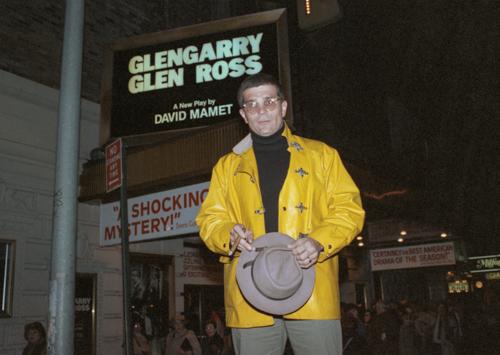
David Mamet discusses his play Glengarry Glen Ross
Jan. 13, 1984 David Mamet discusses his play Glengarry Glen Ross. Includes two scenes from the play recited by both David Mamet and Studs Terkel.
-
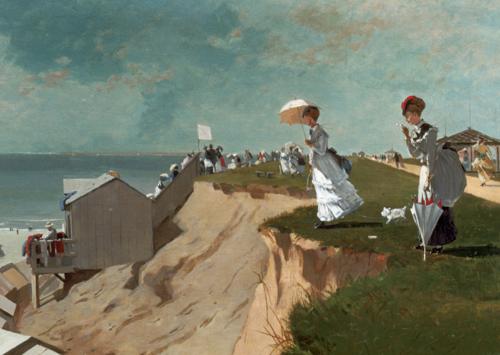
Richard McLanathan discusses his book "The American Tradition in the Arts"
1969 Richard McLanathan discusses his book "The American Tradition in the Arts" and takes Studs on a sprawling journey through artistic breakthroughs in architecture, painting, literature, and more while touching on dozens of artists and their works.
-
"Come in at the Door" - featuring the writings of Nelson Algren with Studs Terkel ; part 1
Feb. 20, 1960 As a tribute to Nelson Algren after his death, a collection of his writing is dramatized in this radio program titled "Come in at the Door."
-
"Come in at the Door" - featuring the writings of Nelson Algren with Studs Terkel ; part 2
Feb. 20, 1960 As a tribute to Nelson Algren after his death, a collection of his writing is dramatized in this radio program titled "Come in at the Door."
-
Stuart Dybek reads from and discusses his book "The Coast of Chicago"
May. 7, 1990 Hearing Chopin being played through the pipes of another apartment and a tale about a young girl who died and whose father froze her body in an ice house are among the stories in Stuart Dybek's book, "The Coast of Chicago." Dybek explained that although his stories may seem dream-like, he tries to come up up with stories from some place of reality.
-
Stuart Brent discusses the demise of the independent bookseller
Mar. 31, 1980 Stuart Brent believes people are totally indifferent to reading. He has come to the realization that, for some, material rewards are more important than cultural activities and as a result, culture is dying. But he is puzzled as to why readers would want to shop at big conglomerate stores like Kroch's and Brentano's when his store offers a personal, caring nature to its customers. This recording includes two excerpts from interviews with British booksellers Una Dillon and Handasyde Buchanan.