Listen to New Voices on Studs Terkel our partnership with 826CHI-here! Read the Story


Showing 11 - 20 of 60 results
-
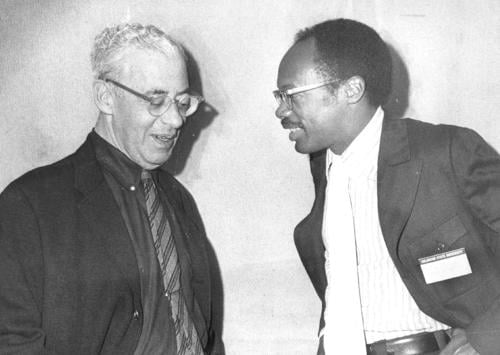
Saul Alinsky, American community organizer, political activist, and writer discusses his book "Rules for Radicals" with Studs Terkel
1971 Community organizer and social activist, Saul Alinsky speaks about his newest book, "Rules for Radicals," and reminisces about his work in the Back of the Yards neighborhood, his advocacy for African-American labor rights, and his connection with the Mexican-American civil rights movement in California. Although Studs' introduction states that this is a rebroadcast of a 1962 interview, that is incorrect. The interview was recorded in 1971.
-
-
-
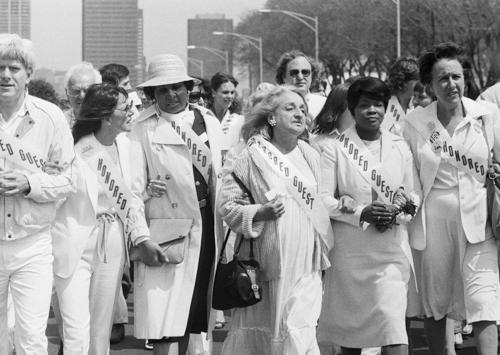
Illinois state representative Susan Catania, Clara Day and Marguerite Klimkowski discuss the Equal Rights Amendment (ERA)
Nov. 1, 1978 Discussing the Equal Rights Amendment with Illinois Representative Susan Catania and political activists Clara Day and Margaret Klimkowski.
-
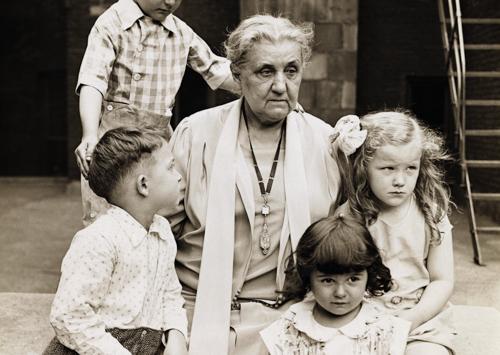
Mary Lynn McCree Bryan talks about her book "Eighty Years at Hull House"
Jan. 13, 1970 Discussing the book, "Eighty Years at Hull House," and interviewing the co-author, Mary Lynn McCree Bryan. Mary Lynn McCree Bryan discusses the Hull House and its founders in Chicago, Illinois. Includes two clips of Florence Scala speaking: one about nature and about a tree that was taken down at Hull House and one about Jane Addams. Includes a clip of Jessie Binford discussing Jane Addams.
-

Interviewing Earl B. Dickerson, a Chicago lawyer
Oct. 28, 1975 The distinguished lawyer and former Chicago alderman reflects on his long career, before being honored at an NAACP Legal Defense Fund event at the Continental Plaza Hotel. Studs includes a clip of W.E.B. DuBois speaking.*Please note: some sections have been edited out from the original recording due to copyright considerations
-
David Farber discusses his book "Chicago '68"
May. 16, 1988 David Farber discusses his book “Chicago ‘68” and reflects on the 1968 Democratic Convention in Chicago. Studs plays “I Ain’t Marching Anymore” - Phil Ochs (1965) and “Days of Decision” - Phil Ochs (1965). This interview features a clip of a previous interview Studs had with an unnamed Chicago police officer who describes his opinion on police brutality.
-
-
Dick Simpson discusses his book, Strategies for Change: How to Make the American Political Dream Work"
Sep. 27, 1976 Alderman Dick Simpson discusses his book, "Strategies for Change: How to Make the American Political Dream Work," and his work as the 44th Ward Alderman. He explains the assembly system that now runs the 44th Ward, where members are able to bind him to a vote if the majority decides. He also discusses how the assembly has already changed redlining, the school system, truck load limits, and high rise development within their neighborhood.
-