Listen to New Voices on Studs Terkel our partnership with 826CHI-here! Read the Story


Showing 11 - 20 of 139 results
-
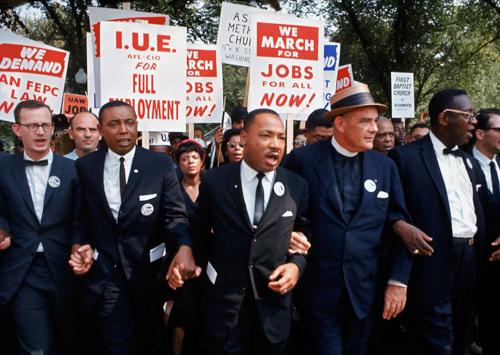
Studs Terkel presents a tribute to Martin Luther King, Jr.
Apr. 5, 1968 Studs Terkel shares a special program honoring the birthday of civil rights leader Martin Luther King, Jr. Includes excerpts from Terkel’s 1965 interview with King about King’s dream for civil rights in the United States, influence of his father, the damaging effects of segregation, and the role of love in bringing about social change. The program also includes excerpts from King’s 1963 “I Have a Dream” speech from the Civil Rights March on Washington, and his 1967 Christmas Eve speech at Bethesda Memorial Church in Atlanta.
-
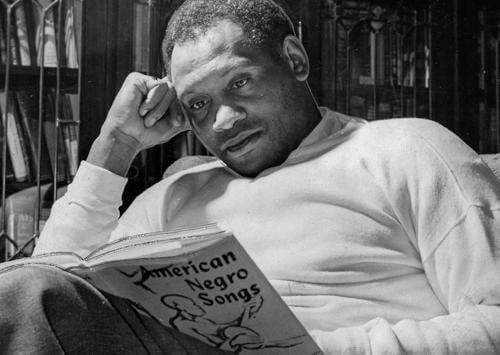
Gathering of friends discussing Paul Robeson
May. 8, 1970 Recorded live on Chicago's South Side. Robeson is ill at the time of recording. Speakers: Earl Dickerson, Etta Moten Barnett, Judge Sidney Jones, J. Mayo "Ink" Williams, Joan Brown (possibly Abena Joan Brown), Charles Hamilton, Margaret Burroughs, [John Gray's sister], [Stevens?]
-
-
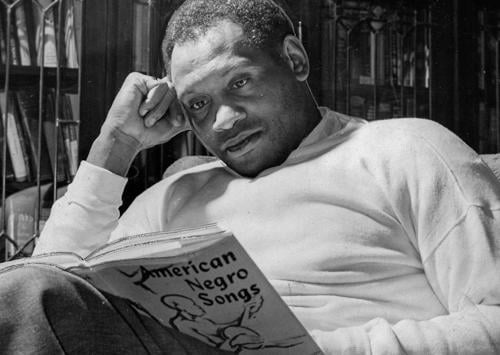
Studs presents a tribute to singer, actor, athlete, author and civil rights crusader Paul B. Robeson
Jan. 28, 1976 Studs presents a tribute to singer, actor, athlete, author and civil rights crusader Paul B. Robeson. Studs talks about his personal memories, the social impact and music of Paul Robeson. Excerpts from 1925362-4-1 Mr Robeson' friends recall memories of him: Earl Dickerson one of the 1 st black aldermen of Chicago, J. Mayo "Ink" Williams football player, Studs Terkel, Claudia Cassidy(1925655-4-1), Eddie Balchowski, Veteran, painter, poet(1934701-3-1) Includes excerpts from 1925362-4-1 and music. Similar to 1925362-3-1, but not identical. 01/23/1976 date of death.
-

A young white cabbie talks with Studs Terkel
Mar. 26, 1962 Interviewing a young white cabbie and farewell comments on the plane ride home when Studs traveled home from Montgomery, Alabama.
-
Panel of women recipients discuss being welfare recipients in Chicago
Jan. 1, 1969 A panel of women discuss raising their families while getting welfare assistance and living in poverty in Chicago.
-
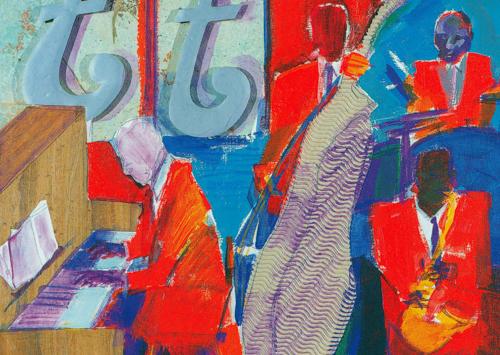
Discussing the book "Jazz Piano: History and Development" with Billy Taylor
Nov. 16, 1982 Studs Terkel and Billy Taylor discuss the book "Jazz Piano: History and Development". They discuss jazz musicians and the history of jazz music. Includes excerpts of drums, piano, and orchestra playing in the background.
-
Virgil Thomson discusses his career as a music composer for opera and film
Jul. 24, 1973 Studs interview with Virgil Thomson about his career as a music composer. Thomson shares his work with Gertrude Stein in operas "Mother of Us All" and "Four Saints In Three Acts." He discusses his preference for black artists. Thomson describes his work in documentary films such as "Plow That Broke the Plains." He also shares information about the cajun music "Squeeze Box" in the film "Louisiana Story." This edited version does not include the music pieces.
-
Max Morath discusses his career and jazz music
Jun. 18, 1970 Max Morath discusses his career, jazz music, and history.
-
Interview with City Lit cast members
Dec. 29, 1982 Discussing the play "A solo song for Doc" by James Allan MacPherson and interviewing cast members of City Lit, Joseph Moore, Chuck Smith and Ernest Perry.