Listen to New Voices on Studs Terkel our partnership with 826CHI-here! Read the Story


Showing 81 - 90 of 106 results
-
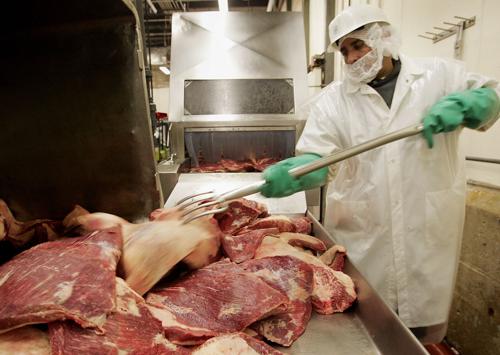
Barbara Kopple discusses her documentary "American Dream"
Mar. 20, 1992 Academy Award winning documentarian Barbara Kopple talks with Studs about her documentary "American Dream" and the battle fought and lost by union workers in Austin, Minnesota during the mid-80s. They set the backdrop in the small, tight-knit community that Hormel Foods had such a profound impact on, how the UFCW international union declined to support the local union, the gripping dynamics between family members who crossed picket lines, and the healing that occurred when the film was screened in the town several years later.
-

Newton Minow discusses broadcasting
Jan. 11, 1964 Interviewing Newton Minow, Chicago lawyer and chairman of the Federal Communications Commission. He discusses broadcasting as a public service and spends a great deal of time on the history of commercials and how they changed over time.
-
-
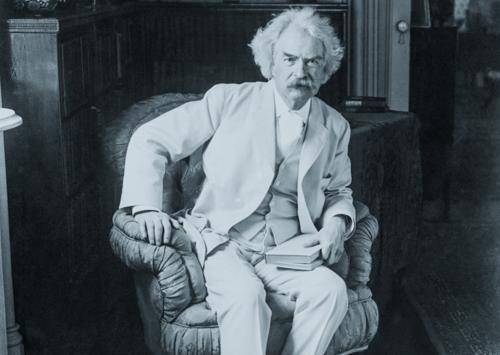
Harry Barnard discusses life as a teacher, writer and biographer
1967 Mr Barnard discusses being a writer and biographer. He strongly discusses the theory, What is literature? and states, "If the work(writing) enriches the person reading and causes deep thought it is literature." He is working, at the time of broadcast, on the papers, notes manuscripts of Upton Sinclair preparing to . He was also writer in residence at Roosevelt University at the time of broadcast.
-
-
-
Interviewing radio and television historian J. Fred MacDonald, and Clarice Durham, widow of Richard Durham, an African American radio scriptwriter
Dec. 16, 1991 Durham created and broadcast radio plays in Chicago from 1948-1950, and his work was chronicled in "Richard Durham's Destination Freedom: Scripts From Radio's Black Legacy, 1948-50."
-
-
Grace Halsell discusses her books "Soul Sister" and "Bessie Yellowhair"
Dec. 21, 1973 With both books "Soul Sister" and "Bessie Yellowhair" , Grace Halsell shares her experiences when she posed as both a Black woman and a Navajo Indian. According to Halsell, the only differences between white and Black people, were the color of people's skin. Halsell also explained that it was psychologically harder to be play the part of a Navajo Indian being a servant to a white family.
-
Gwynee Dyer reads from and discusses his book "War"
Oct. 18, 1985 After having served in three Navies, Gwynee Dyer, wrote his book, "War." Dyer explains people are willing to kill foreigners to protect their own land, possessions, and rights, etc. Dyer also points out that the only reason for war is to obtain power and to determine, by mass destruction, who gets what.