Listen to New Voices on Studs Terkel our partnership with 826CHI-here! Read the Story


Showing 21 - 30 of 271 results
-
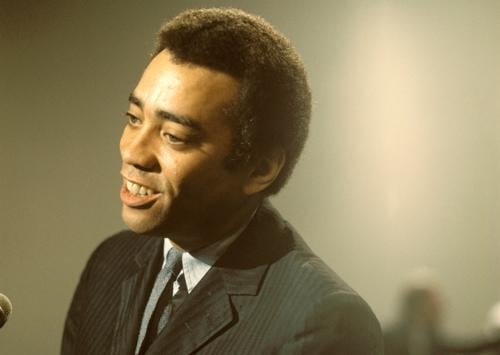
Presenting music with Oscar Brown, Jr
Jun. 6, 1977 Music performance by Oscar Brown, Jr.
-
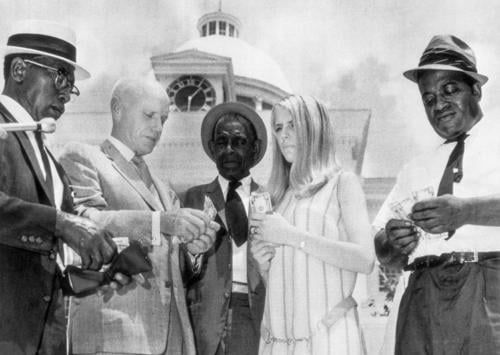
William Bradford Huie talks with Studs Terkel
Mar. 29, 1967 William Bradford Huie discusses his novel The Klansman. Includes recordings of interviews from Rev. Paschal Carlton, an unknown Alabama cab driver, and an unknown woman of Birmingham, Alabama.
-

Willie Dixon and Koko Taylor discuss the blues and how you create blues music
1982 Studs interviews Willie Dixon and Koko Taylor about the blues. They discuss their song "Insane Asylum" and their work together. Dixon uses his song "Little Red Rooster" to help explain how the blues are created from life experiences. Taylor reflects on singers like Willie Dixon, Memphis Minnie, and others who influenced her desire to sing the blues. Taylor also discusses European audiences and blues influence there. The musical numbers are removed from this edited version of the original recording.
-
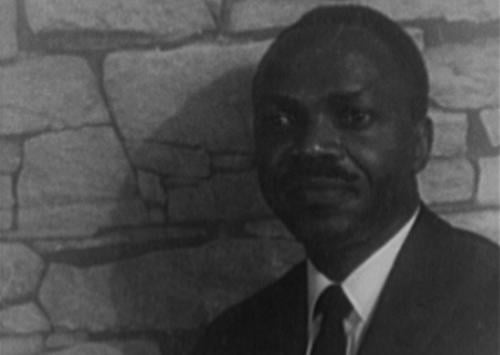
E.R. Braithwaite discusses his career and the book "Reluctant Neighbors"
1972 E.R. Braithwaite, Guyanese-born British-American novelist, writer, teacher and diplomat discusses his writing and career. The interview opens with Mr. Braithwaite, reading from his book "Reluctant neighbors".
-
Phyl Garland discusses themes from her book "Sound of Soul" and the black influence on music ; part 1
Nov. 25, 1968 Studs interviews Phyl Garland about her book "Sound of Soul." They discuss the history of music and how black music influenced white music. Studs reads a quote from her book where she quoted Lerone Bennett. Garland also reads from her book a few times. They discuss how music changed over time for blacks from spirituals to slave songs to the blues because it was a reflection of their lives. Garland explains how blacks used music to help them through their trials and frustrations.
-
Phyl Garland discusses her book "Sound of Soul" and the history of black music in America ; part 2
Nov. 25, 1968 Studs interviews Phyl Garland about her book "Sound of Soul." They discuss various musicians that she mentions in her book and their influence on black music. Garland explains the music of young black artists and how commercialization of music gave blacks an opportunity that they would not have had otherwise. Garland talks about how Fannie Lou Hamer used music to express her message in the Civil Rights Movement and as a women's rights activist. Studs and Garland discuss various black female artists and their music.
-
Ralph Gleason discusses jazz, jazz artists, and jazz festivals ; part 1
Jul. 31, 1971 Studs interviews jazz and pop critic, and founding editor of "Rolling Stone" magazine, Ralph Gleason while in Berkeley, California (3 parts). Topics include the history of jazz, blues, and jazz culture, and how race played in the development and distribution of the music. Songs include Louis Armstrong's "(I'll Be Glad When You're Dead) You Rascal You."
-
Ralph Gleason discusses jazz, jazz artists, and jazz festivals ; part 2
Jul. 31, 1971 In Berkeley, Calif., Ralph Gleason, jazz and pop critic, and founding editor of Rolling Stone, talks with Studs about the history of jazz and jazz artists. They talk in depth about Billie Holiday, white performers who imitated the style of black jazz singers, and jazz festivals. Songs include Holiday's "Them There Eyes" and "God Bless the Child."
-
William Brashler talks about his book "Bingo Long's Traveling All-Stars and Motor Kings"
Dec. 10, 1973 Mr. Brashler converses with Studs about his research for the novel and the players he had spoken with to gather information for the book. The novel tells the story of a baseball team that revolts from a tyrannical Negro League owner and spends the 1939 season barnstorming around the Midwest. Includes two excerpts of a Cool Papa Bell interview talking about their travel as "barnstormers". Studs and Mr. Brashler read several exchanges of dialogue from the book.
-
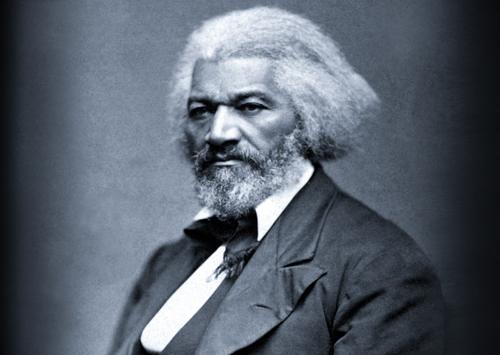
Studs Terkel presents a program in honor of the birthday of abolitionist and African American leader Frederick Douglass
Feb. 15, 1971 Studs Terkel presents a program in honor of the birthday of abolitionist and African American leader Frederick Douglass, including excepts from Terkel's 1964 interview with African-American scholar, author and social historian Lerone Bennett. Terkel reads at length from Douglass' autobiography, "My Bondage and My Freedom," focusing on Douglass' interactions with slave owners Hugh and Sophia Auld.