Listen to New Voices on Studs Terkel our partnership with 826CHI-here! Read the Story


Showing 51 - 60 of 73 results
-

Interviewing Bob "Doc" Graham ; part 2
Discussing life in Chicago and its underworld in the 1930s, longer interview that was the basis of his Hard Times book appearance.
-
Hamilton Fish III discusses American history
Colonel Hamilton Fish III discusses American history. Major topics include The Great Depression, Franklin D. Roosevelt, World War II, and Communism. Fish also reads a personal letter sent to him from Martin Dies, Jr. Content Warning: This conversation has the presence of outdated, biased, offensive language. Rather than remove this content, we present it in the context of twentieth-century social history to acknowledge and learn from its impact and to inspire awareness and discussion.
-
Studs Terkel discusses and comments the musical "The Cradle Will Rock"
Jan. 28, 1992 Studs Terkel presents The Cradle Will Rock, a 1937 musical play. Includes interview with Marc Blitzstein and Hiram Sherman talking about the challenges of presenting for the first time.
-
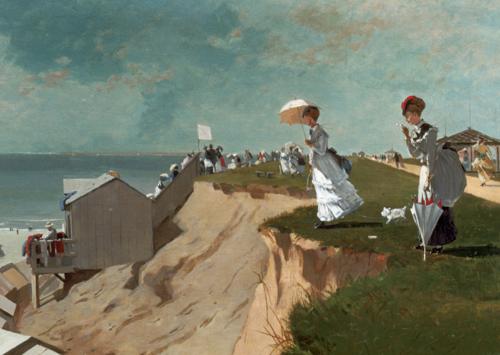
Richard McLanathan discusses his book "The American Tradition in the Arts"
1969 Richard McLanathan discusses his book "The American Tradition in the Arts" and takes Studs on a sprawling journey through artistic breakthroughs in architecture, painting, literature, and more while touching on dozens of artists and their works.
-
Ann Banks in conversation with Studs Terkel
Feb. 2, 1981 The journalist, writer, and editor discusses her book, First Person America, which documents over 80 oral histories from the time of the Federal Writers' Project, which was part of the Works Progress Administration.*Please note: some sections have been edited out from the original recording due to copyright considerations
-
A conversation with Robert McElvaine
Mar. 11, 1983 The history professor shares some of the voices that are collected in his book, Down and Out in the Great Depression: Letters from the Forgotten Man. Included in the program are clips from interviews with working mother Jane Yoder, Chicagoan Clifford Burke, Appalachian resident Peggy Terry, and Virginia Durr of Montgomery, Alabama.*Please note: some sections have been edited out from the original recording due to copyright considerations
-
-
Horace Cayton discusses is book "Long Old Road" ; part 3
Sep. 7, 1966 Content Warning: This conversation includes racially and/or culturally derogatory language and/or negative depictions of Black and Indigenous people of color, women, and LGBTQI+ individuals. Rather than remove this content, we present it in the context of twentieth-century social history to acknowledge and learn from its impact and to inspire awareness and discussion.
-
-
Interviewing Kevin Phillips
Aug. 1, 1990 Program includes an excerpt from Hard Times (T3452B).