Main navigation

  • Home
  • Explore
  • Interact
      • Clips Explore themed playlists of audio clips from the Archive.
      • Reuse Listen to creative reuses of Studs’ interviews.
      • Remix Combine audio from the Archive to create entirely new works.
  • Podcast
  • Classroom
  • Donate

00 / 00

Interviewing Bob "Doc" Graham ; part 2

DURATION: 00:28:08

Synopsis

Discussing life in Chicago and its underworld in the 1930s, longer interview that was the basis of his Hard Times book appearance.

Details

Duration
28 minutes, 8 seconds

Digital Format
WAV

Ownership
The Chicago History Museum

Language
English

Physical Format
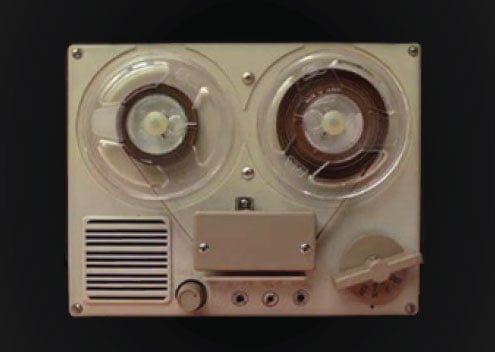
1 sound tape reel (ca. 55 min.) : 10 1/2 in.

Topics

Chicago Urban Life Great Depression

People

Other

Tags

Audiotapes. Radio programs. WFMT (Radio station : Chicago, Ill.)

Related Programs

Steve Goodman discusses his album "Words We Can Dance To"

Apr. 30, 1976

Dennis Smith discusses his experiences as a firefighter in New York City

Discussing the development of the Southern School, Chicago's only alternative for students kicked out of the public schools, with founder and educator Patrick Zimmerman

Oct. 20, 1976

Jessie Binford discusses Chicago and Hull House

1968

A conversation with Jim Carroll, author of The Basketball Diaries

Feb. 16, 1981

John Keyes in conversation with Studs Terkel

Jan. 23, 1990

Major Support Provided By
The Becca Kopf Memorial Circle of Friends
WFMT Radio Network & Chicago History Museum

This site is being managed by WFMT in partnership with the Chicago History Museum.

Library of Congress

In-kind digitization services of the Studs Terkel Radio Archive are provided by the Library of Congress.

National Endowment for the Humanities

The Studs Terkel Radio Archive has been made possible in part by a major grant from the National Endowment for the Humanities: Exploring the human endeavor.

Studs Terkel Radio Archive

All Programs About The Archive About Studs Supporters Contact

©2026 WFMT Radio Network | Site by Jell Creative

Any views, findings, conclusions, or recommendations expressed in this web resource do not necessarily represent those of the National Endowment for the Humanities.