Listen to New Voices on Studs Terkel our partnership with 826CHI-here! Read the Story


Showing 1 - 10 of 15 results
-
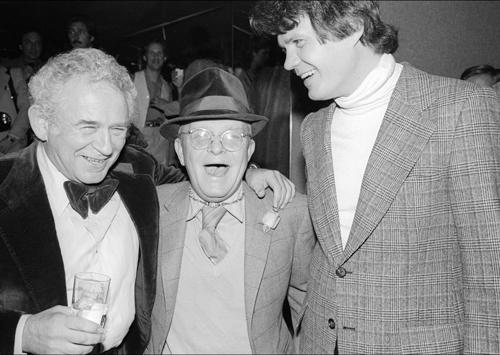
Dotson Rader discusses his book "I ain't marchin'anymore" with Studs Terkel
Feb. 26, 1971 The program starts with a short clip of Studs Terkel interviewing Peggy Terry talking about The Great Depression and American propaganda during Vietnam War. After that clip. Dotson Rader starts to talk about his book "I ain't marchin' anymore"
-
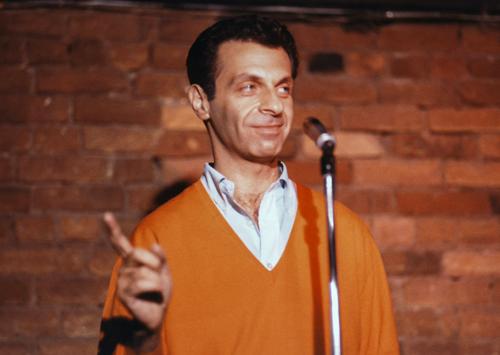
Mort Sahl discusses comedy, social satire, and politics
Mort Sahl discusses comedy, social satire, and politics. Sahl discusses the topics of Communism, Fascism, the Kennedy assassination, and show business.
-
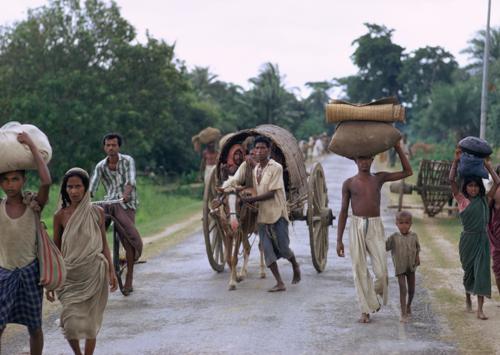
Eqbal Ahmad and Muhammad Yunus discuss Pakistan
1970 Eqbal Ahmad and Muhammad Yunus discuss the current state of East and West Pakistan with Studs Terkel. Topics of discussion include current food shortages, United States intervention in South and Southeast Asia, military rule in Pakistan, cultural differences between East and West Pakistan, and the human toll resulting from the military government, disease, and natural disasters. Includes an excerpt of a recording of Shanta Gandhi telling a story about an audience member’s response at the end of a play she performed during the Bengal Famine.(Wav ID: 1863201-3-1, 3-2, 3-3)
-

Dan Wakefield discusses his book “Supernation at Peace and War”
1960 Writer Dan Wakefield discusses his book “Supernation at Peace and War” with Studs Terkel. Further discussion is had over civil unrest, draft dodging, and social injustices during the Vietnam War.
-
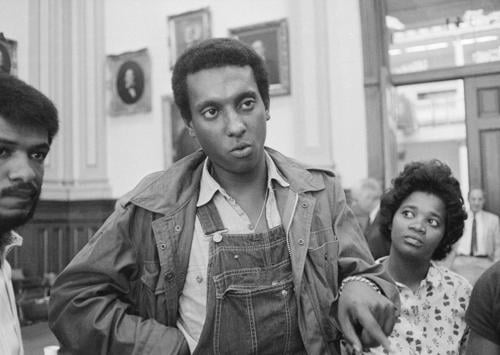
Stokely Carmichael, Charlie Cobb, and Courtland Cox discuss the philosophy of the SNCC ; part 2
1968 Stokely Carmichael, Charlie Cobb, and Courtland Cox discuss civil rights and African Americans in politics. Discussing the philosophy of SNCC. Includes Charlie Cobb reading his poem. Duplicate of 1916310-3-2.
-

Stokely Carmichael, Charlie Cobb, and Courtland Cox discuss the SNCC ; part 1
Jul. 23, 1965 Stokely Carmichael, Charlie Cobb, and Courtland Cox discuss civil rights and African Americans in politics. Discussing the philosophy of SNCC.
-
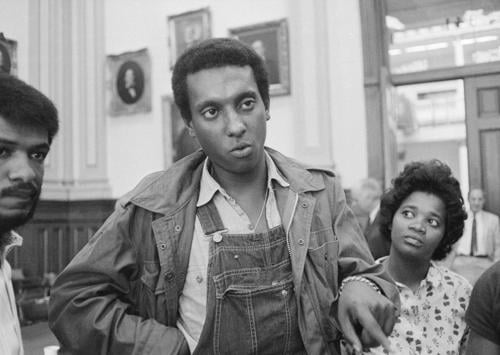
Stokely Carmichael, Charlie Cobb, and Courtland Cox discuss the SNCC ; part 2
Jul. 23, 1965 Stokely Carmichael, Charlie Cobb, and Courtland Cox discuss civil rights and African Americans in politics. Discussing the philosophy of SNCC.
-
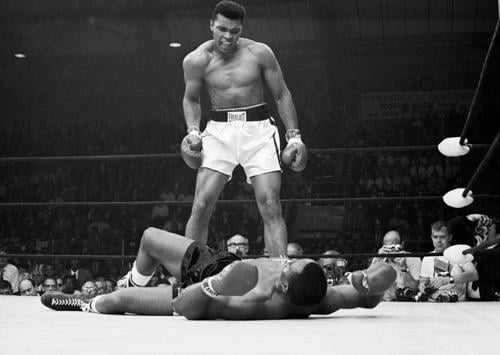
Muhammad Ali discusses his book "The Greatest: My Own Story"
Nov. 26, 1975 Content Warning: This conversation includes racially and/or culturally derogatory language and/or negative depictions of Black and Indigenous people of color, women, and LGBTQI+ individuals. Rather than remove this content, we present it in the context of twentieth-century social history to acknowledge and learn from its impact and to inspire awareness and discussion. Muhammad Ali discusses his book "The Greatest: My Own Story," touching on topics including his childhood and family, conversion to Islam, stance on the Vietnam War, and experiences in jail.
-
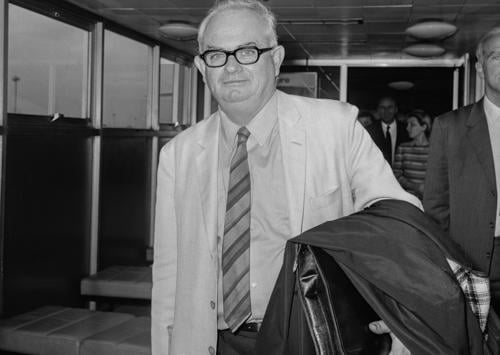
Wilfred Burchett discusses about his career on journalism
Oct. 24, 1977 Wilfred Burchett (an Australian journalist) discusses his journalism career. He was reporting conflicts in Asia (North Korea, Vietnam, China and Japan) and their Communist supporters. He speaks briefly about his experiences in Nazi Germany and concentration camps. Towards the end of the interview he talks about his interest in learning and reporting more about the new euro-communism (prominent in Italy, Spain and France).
-
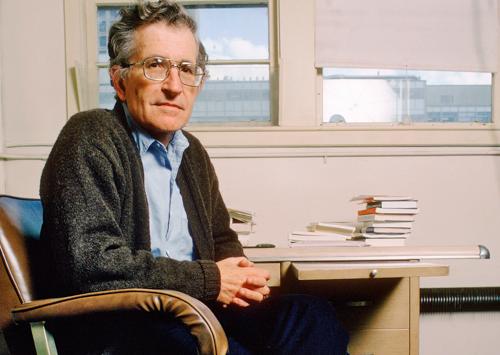
Noam Chomsky discusses his book "American Power and the New Mandarins"
Jan. 19, 1970 Noam Chomsky discusses his book "American Power and the New Mandarins," the Vietnam war, and the role of intellectuals, including interview with A.J. Muste; audio is slowed down from 47:30 - 52:52.