Listen to New Voices on Studs Terkel our partnership with 826CHI-here! Read the Story


-
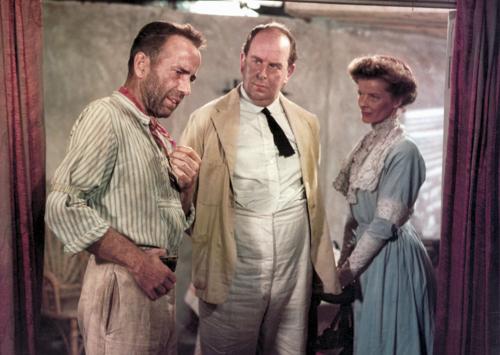
Robert Morley discusses his autobiography ; part 2
Actor Robert Morley discusses his career and autobiography, "Robert Morley: A Reluctant Autobiography;" part 2.
-
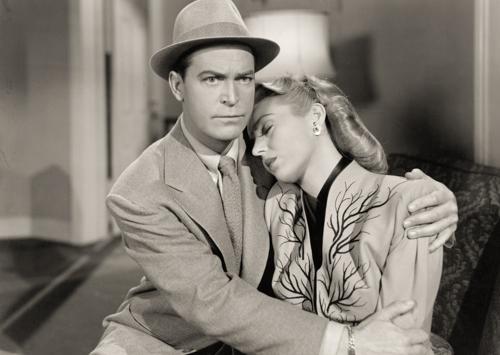
Chester Morris discusses theater and his Broadway production of "Advise and Consent" with Studs Terkel
Feb. 27, 1962 An interview with Chester Morris about his role in "Advise and Consent." They discuss theater and stage life for actors. Morris mentions numerous actors and actresses and stage productions. He discusses the business, status, and economics of acting.
-

Gilbert Moses discusses "Waiting for Godot" and the Free Southern Theatre with Studs Terkel ; part 1
Aug. 10, 1966 Studs interviews Gilbert Moses about the Free Southern Theatre that performed throughout Mississippi depicting the lives of Southern blacks. Moses describes the audiences and their reactions to the plays and their own participation in acting out their lives.
-
Gilbert Moses discusses The Free Southern Theater and his play "Blues for Mister Charlie" with Studs Terkel ; part 2
Aug. 10, 1966 Studs interviews Gilbert Moses about his play, "Blues for Mister Charlie" and The Free Southern Theater. They discuss a variety of plays that include, "White America," "Roots," and "Blues of Mister Charlie."
-
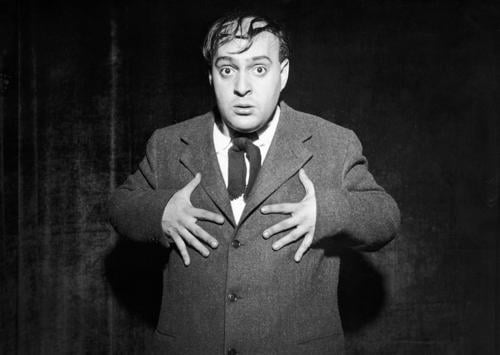
Zero Mostel discusses the play "Rhinoceros" and acting theory ; part 1
Aug. 14, 1961 Zero Mostel talks about acting theory, French and American theater differences, and the reflection of art in society.
-
Zero Mostel discusses the play "Rhinoceros" and acting theory ; part 2
Aug. 14, 1961 Zero Mostel talks about acting theory, French and American theater differences, and the reflection of art in society.
-
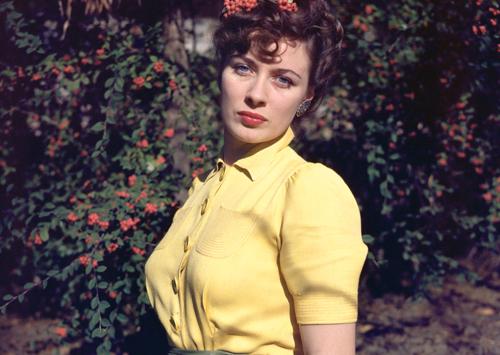
Viveca Lindfors discusses her roles and the roles of women in society
Feb. 2, 1974 Viveca Lindfors discusses her roles and the roles of women in society. Includes Viveca Lindfors reciting lines written by Lillian Hellman.
-
Hildegard Knef discusses her book, "The Gift Horse: Report on a Life" and the experiences of her life in Nazi Germany and as an actress in America post World War II
1971 Studs interview with Hildegard Knef, actress and writer. They discuss her life in Nazi Germany during the war and her experience as an actress when she came to America. Studs and Hildegard read together from her book, "The Gift Horse." Knef describes her family, Nazi Germany, survival, and her experience as a German in American post WWII. Her husband, David Anthony Palastanga, also reads an excerpt from her book.
-
Kaye Ballard talks with Studs Terkel
Aug. 3, 1960 Musical theater and television actress/comedienne Kaye Ballard discusses her role as Helen in the 1954 American opera The Golden Apple, musician and writer John La Touche, her family, her accompanist Arthur Siegel and their mutual love for the Peanuts comic strip, the parakeet sketch she wrote with Mel Brooks, her background in burlesque and vaudeville, and her comic and musical inspirations.
-
Henry Fonda and John Houseman discuss the play "Clarence Darrow"
Henry Fonda and John Houseman talk about working with one another on "Clarence Darrow: A One-Man Play". Houseman is in awe of Fonda's portrayal of Clarence Darrow, explaining that in the play, the audience can really see the growth of Clarence Darrow, from a young lawyer to an experienced, wise one. Fonda talks about the opening scene when Darrow recalls his father talking to him when he was a young boy. Fonda reflects on times when his father talked to him. Fonda recalls being taught not to hate individuals.