Listen to New Voices on Studs Terkel our partnership with 826CHI-here! Read the Story


-
-
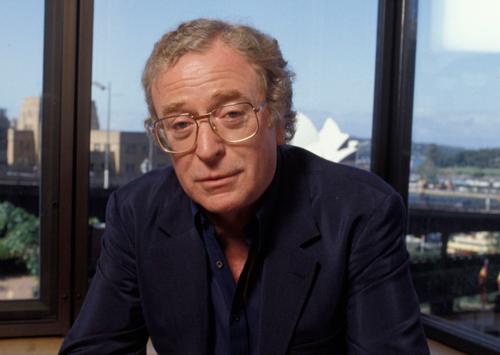
Interview with Michael Caine
Dec. 9, 1992 Interviewing actor and author Michael Caine.
-
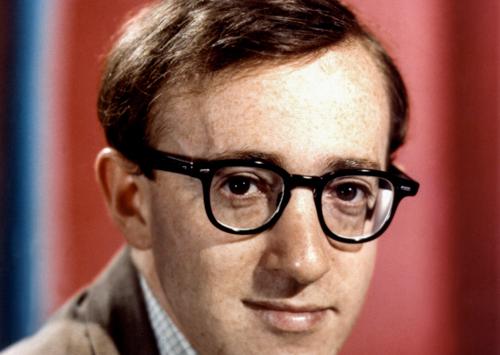
Woody Allen discusses his work as a comedic writer and performer
Jun. 1, 1965 Woody Allen discusses his life and art, the influence of both success and failure on his work, and how he finds comedy in life’s difficulties and trials. He discusses his first screenplay, “What’s Up Pussycat?” and other comedians who have influenced the development of his own comedic work, including Mort Sahl, Charlie Chaplin, the Marx Brothers, and George S. Kaufman.
-

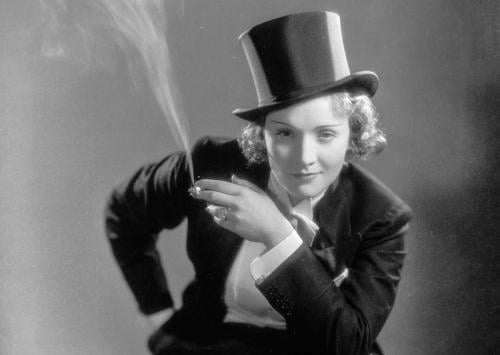
Carol Channing discusses her perspective about being a musical and comedic performer
Sep. 19, 1961 In this interview Carol Channing discusses her work as artist: comedic timing; live/club performing; her connection with the audience as a performer; theater as a "spiritual world"; the concept of "opening nights"; creation of Mehitabel's (alley cat) voice; "Lorelei", and her ability deliver comedic characterizations and impersonations (such as Marlene Dietrich, Sophie Tucker, and Cecilia Sisson). Included in this interview are excerpts from the "Little Girl from Little Rock", "Madeline and Other Bemelmans", "Shinbone Alley".
-
-
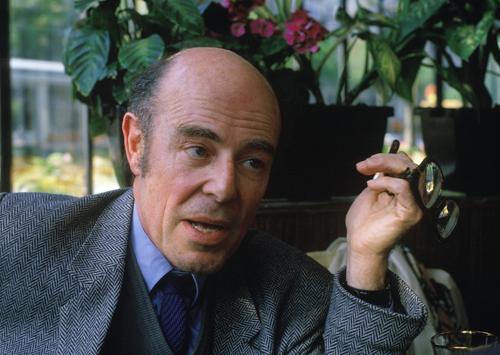
Claire Bloom discusses her career
Oct. 22, 1991 Being discovered by Charlie Chaplin, Claire Bloom always felt like the luckiest actress around. Bloom's favorite roles were Nora in a "Doll's House" and Hedda in "Hedda Gabler". Mary Tyrone of "Long Day's Journey Into Night" is a part Bloom would like to play in the future.
-
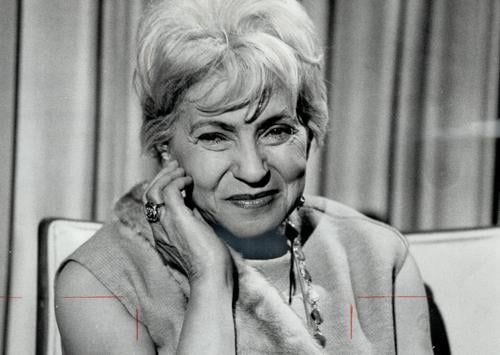
Ida Kaminska discusses her career
Apr. 13, 1966 Through an interpreter, Madame Ida Kaminska discusses her role in the film "The Shop on Main Street." Both her mother and father were actors, too. Madame Kaminska explains she comes from a family of actors from 100 years ago.
-
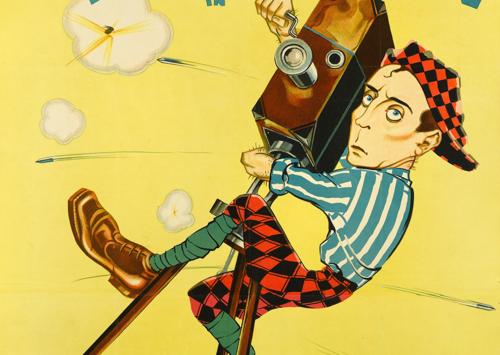
Buster Keaton discusses the release of "When Comedy Was King"
Sep. 5, 1960 Silent film pioneer Buster Keaton discusses his career following the release of "When Comedy Was King," a compilation of some classic shorts by Keaton, Charlie Chaplin, Harold Lloyd, and others. Keaton reveals how they shot the early silent films, generated material and gags, how they planned big chase scenes, the resurging European interest in silent classics, and more. Studs asks Keaton about the stylistic differences between him and Chaplin, whether he would recreate silent films, and how they compare to today's film-making.
-
Interview with Ellen Burstyn
Apr. 9, 1991 Interviewing actress Ellen Burstyn.
-
Marlon Brando discusses his views on mankind ; part 1
Apr. 19, 1963 Content Warning: This conversation includes racially and/or culturally derogatory language and/or negative depictions of Black and Indigenous people of color, women, and LGBTQI+ individuals. Rather than remove this content, we present it in the context of twentieth-century social history to acknowledge and learn from its impact and to inspire awareness and discussion. Self-righteousness and values are topics covered by Marlon Brando. Here in the states, Brando said, we are living a dream. We do not want strife in our lives, and yet he says it seems as though we seek it.