Listen to New Voices on Studs Terkel our partnership with 826CHI-here! Read the Story


Showing 671 - 680 of 1040 results
-

-
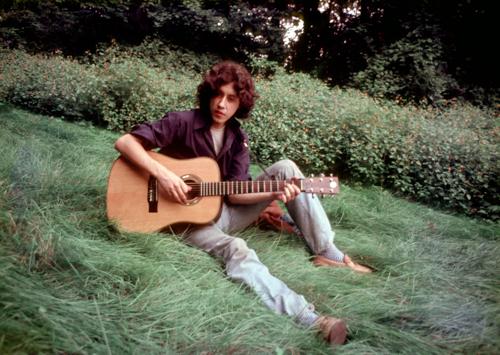
Arlo Guthrie discusses his music and influences
Jan. 23, 1971 In this interview with Terkel, folk singer-songwriter Arlo Guthrie talks about what influences his songwriting and the new definition of folk music. They touch on the shared experience of humanity, the role of the entertainer in society, and the older generation’s contributions to society. Guthrie expresses a desire to create a music “carnival” where performers and audience members both participate together. Guthrie also discusses how he began playing the banjo, and Studs comments on how Arlo has grown as a musician since his father's, Woody Guthrie, death.
-
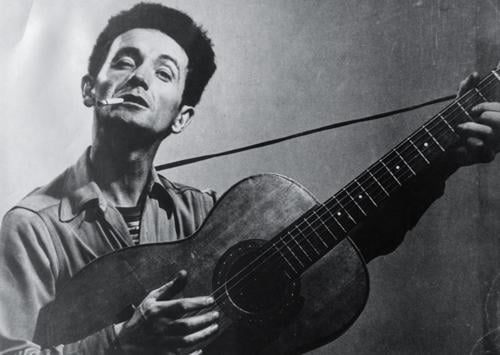
Marge Guthrie discusses Woody Guthrie's life and music
Mar. 14, 1975 Marge Guthrie, Woody Guthrie’s second wife and Arlo Guthrie’s mother, joins Studs Terkel to discuss her late husband’s music and the lasting impact it made. Marge calls Woody a “chronicler,” remarking on his great ability to write songs about and for the common man, and informs Terkel of honors that Woody received from the state and federal government to commemorate his contribution to conservation efforts.
-
-
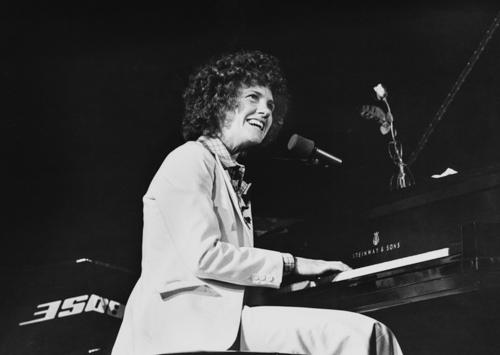
Margie Adam discusses her music and career
May. 20, 1993 Margie Adam, musician, activist, and composer, discusses how events such as the women's movement and the lesbian-feminist movement inspired her to create music for her new album, Another Place. The album reflects on Adams's life and on topics such as her sexuality.
-
-
-
-
Singer-songwriters Florence Reece and Pete Seeger discuss writing songs
Mar. 17, 1978 Known for their songs about the working class, both Florence Reece and Pete Seeger talk about how they come about writing the lyrics to songs. Seeger says unbeknownst to them, anyone can write a song. Included within this interview, Seeger plays the banjo and Reece sings a song.
-
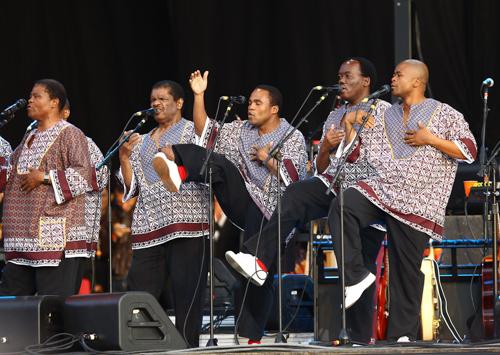
Ladysmith Black Mambazo discusses South African music and South Africa
May. 12, 1992 Ladysmith Black Mambazo discuss South African music and South Africa. Songs that have been removed include those from the play "The Son of Jacob Zulu." that was playing at Steppenwolf Theater. Includes a clip of an interview with the Chief of Durban.