Listen to New Voices on Studs Terkel our partnership with 826CHI-here! Read the Story


Showing 11 - 20 of 44 results
-
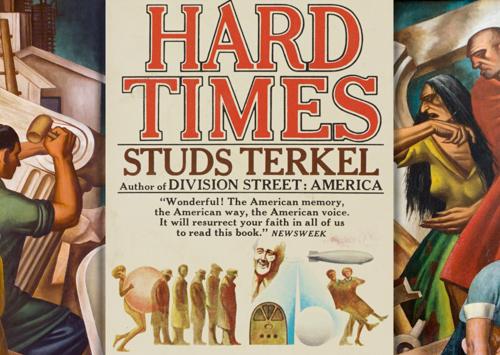
Terkel comments and presents "Hard Times: an oral history of the great depression" ; Program 15; part 1
1971 Presenting "Hard Times: an oral history of the great depression": "A gathering of survivors" with Joe Morrison, Evelyn Finn, Jose Iglesias, Bob Stinson, Oscar Heline, Eml & Ruth Loriks, Buddy Blankenship, Mary Owsley, Sally Rand, Jerome Zerbe, John Beeche (promgram XIII)
-
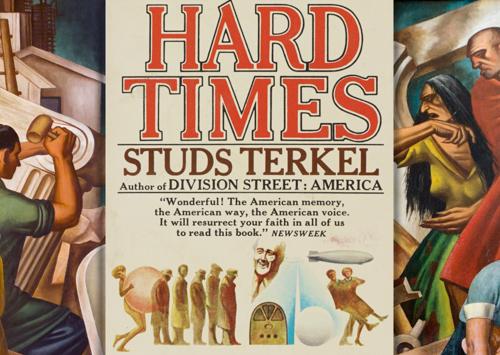
Terkel comments and presents "Hard Times: an Oral History of the Great Depression" ; Chapter 1
1971 Presenting "Hard Times: An Oral History of the Great Depression" Chapter 1: A Fairy Tale. Montage of young voices that talk about their parents' stories of surviving the Depression. The March: Jimmy Sheridan explains the origins of the Bonus March and what life was like on the rails. The Song: Edgar Yipsel (Yip) Harburg talks about writing "Brother, Can You Spare a Dime" while a version by the Weavers plays. Born Losers: Ed Paulsen discusses traveling the country to find work, march riots in San Francisco, and the relief felt as WPA projects and money began to lift burdens.
-
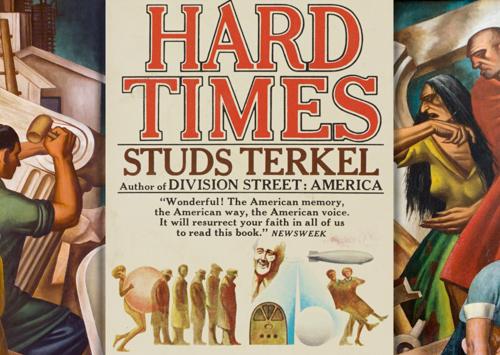
Terkel comments and presents "Hard Times: an Oral History of the Great Depression"; Chapter 3
1971 Presenting "Hard Times: An Oral History of the Great Depression" Chapter 3: Big Business & A Portrait of Two Women. William Benton credits Pepsodent's survival of the Great Depression to Amos 'n Andy. Arthur Robertson talks about the initial aftermath of the 1929 crash as a Wall Street businessman. Sidney Weinberg discusses the confusion on Wall Street after the crash and praises FDR's programs. Jimmy McPartland talks about the importance of working and the success of WPA to boost morale.
-

Alexander Tcherepnin discusses his career
Nov. 10, 1959 Russian composer Alexander Tcherepnin discusses his early upbringing, training, and composing bagatelles in Saint Petersburg, as well as the influence of his composer father, Benois family relatives, Russian/Asian/European cultural influence, electronic music.
-
-
-
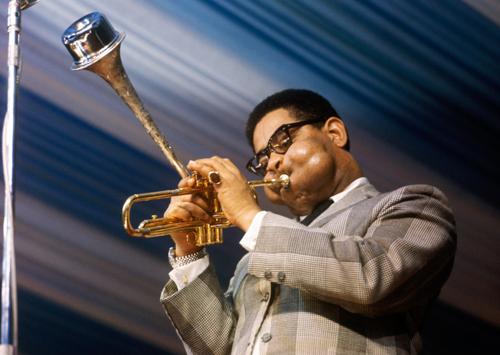
Dizzy Gillespie discusses the art of jazz ; part 1
Mar. 30, 1961 Part 1 of this program begins with Studs Terkel reading an excerpt from the book "Giants of Jazz" , which describes Dizzy Gillespie's early life. Gillespie discusses the following: the state of jazz; his fellow musicians; jazz contributors; jazz fundamentals; and his tours abroad. Gillespie's "Groovin' High" is played towards the end of this part of the program.
-

Interviewing Noah Greenberg
Nov. 4, 1963 Choral director Noah Greenberg previews a performance of The Play of Herod at The University of Chicago's Rockefeller Chapel.*Please note: some sections have been edited out from the original recording due to copyright considerations
-
Studs Terkel discusses the WPA Arts Project
Sep. 14, 1989 The influence of the WPA on the music of the 1930's. The heroic sounds heard in song, movies, and theater. He provides Bing Crosby's version of Yip Harburg's "Brother Can You Spare a Dime". As well as the Almanac Singers performing "Roll the Union On". Both Moll's Song and the final scene of Blitzstein's, "The Cradle Will Rock" are performed. Terkel provides a host of other songs which highlight the music of the 1930's. Extensive discussion on "The Cradle Will Rock" with its producer John Houseman.
-