Listen to New Voices on Studs Terkel our partnership with 826CHI-here! Read the Story


Showing 1 - 10 of 120 results
-
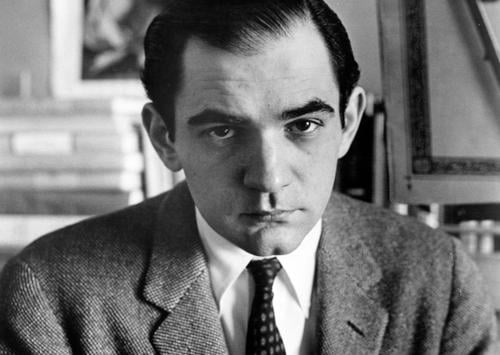
Studs Terkel discusses contemporary American music with composer and trombonist Bill Russo
May. 18, 1983 Discussing the origins of three schools of contemporary American music, their influence upon each other, and the new directions composers are taking with their music with composer and trombonist Bill Russo.
-
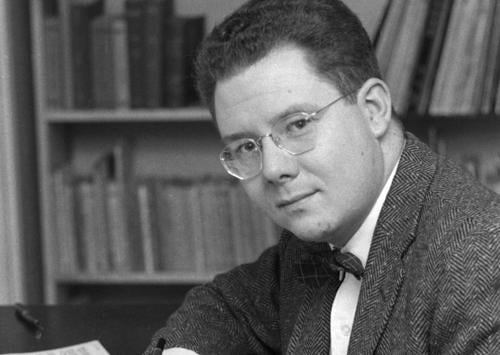
Easley Blackwood, Midwestern composer, pianist and educator at University of Chicago, discusses his music
Mar. 1, 1961 Studs and Mr. Blackwood discuss his musical theory of tonal composition, and Mr. Blackwood plays several excerpts of his piece "Chamber Work for Fourteen Winds" on the piano.
-

Easley Blackwood, Leonard Meyer and Ralph Shapey talk about standards of composition in contemporary music, part 1
1965 The program begins with an excerpt from BBC Radio about a hoax piece of music by Pietorzac (Hans Keller). Hans Keller and a friend went into studio and made noise and presented it as music. In this round table discussion the three gentlemen - all composers, musicians, and educators, discuss with Studs, contemporary music and the standards for defining a composition as music. In the second hour, they discuss what level of knowledge of music a critic should have in order to form a proper opinion of music. All animatedly offer their opinion to both the pro's and the cons.
-
Easley Blackwood, Leonard Meyer and Ralph Shapey discuss the standards of composition in contemporary music, part 2
1965 In this round table discussion the three gentlemen - all composers, musicians, and educators - discuss with Studs contemporary music and the standards for defining a composition in music. In the second hour they discuss what level of knowledge of music a critic should have in order to form a proper opinion of music. All animatedly offer their opinion to both the pro and the con. A movement of both Blackwood and Shapey compositions is played.
-
Sir Georg Solti talks with Studs Terkel
Feb. 1, 1995 Studs engages the former Chicago Symphony Orchestra conductor, Sir Georg Solti, in a wide-ranging conversation about his life and career. From his early studies in Budapest with Béla Bartók, his string of good-luck opportunities before, during, and after World War II, meeting Toscanini in Lucerne, and starting on top conducting in Frankfurt, London, and finally Chicago. He discusses his many German and European musical influences and contemporaries, and stresses the importance of education, arts funding, and hard work.
-
Easley Blackwood, David Schrader and Ramon Salvatore in discussion with Studs Terkel about music
Apr. 14, 1993 Presenting music published by Chicago record label Cedille Records including the music of composer and pianist Easley Blackwood along with David Schrader and Ramon Salvatore.
-
Elsa Charleston and Abraham Stokman discuss classical music
Nov. 24, 1975 Presenting music soprano Elsa Charleston and pianist Abraham Stokman.
-
Abraham Chasins discusses the vibrant and creative life of Leopold Stokowski and his book, “Leopold Stokowski: A Profile”
Nov. 8, 1979 Studs interviews Abraham Chasins about his book, “Leopold Stokowski: A Profile.” They discuss Stokowski’s life in great detail as they discuss different parts of the book. Chasins describes the amazing career and life of Stokowsky who revolutionized the symphony orchestra. Studs reads a few excerpts from the book. Chasins shares some background behind some of the stories from his book. Studs and Chasins discuss the various orchestras Stokowsky worked with. Chasins notes that Stokowski taught his audience how to behave and never used a baton when he conducted.
-
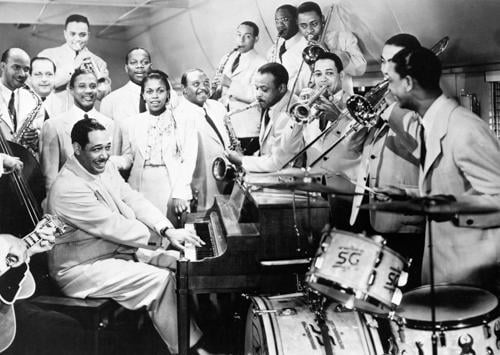
Harriet Choice discusses the career of Duke Ellington and promotes the Grant Park 5th Annual Tribute to Duke Ellington concert
Aug. 25, 1978 Studs interviews Harriet Choice, Jazz critic for the Chicago Tribune. They reflect on the music, talent and career of Duke Ellington. Choice describes several Ellington songs and the history behind them. She shares how Duke created music and wrote specifically for individual people. Studs reads what Ellington wrote about his song “Harlem Airshaft.” Choice and Terkel reflect on Ellington’s music and those who made music with him. Choice shares how a Duke Ellington performance at the Newport Jazz Festival rejuvenated Ellington’s career.
-
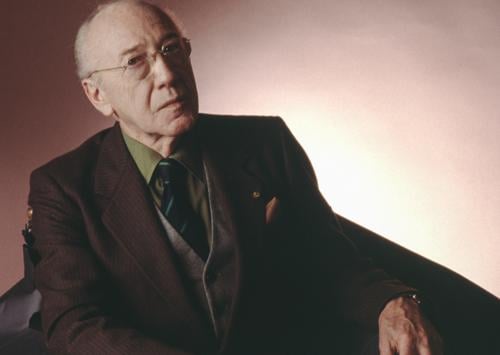
David Diamond discusses his training, influences and work as a classical composer
May. 28, 1975 Studs interviews David Diamond who is in Chicago for a concert at Thorn Hall. Diamond reflects on his family background and his exposure to diverse theater and movies of a variety of cultures that influenced his music. He explains his training and how he uses emotion and then structure to create his work. Studs and David discuss McCarthyism and its affect on performers and the personal affect it had in Diamond's life. The musical pieces are removed from this edited version of the original recording.