Listen to New Voices on Studs Terkel our partnership with 826CHI-here! Read the Story


Showing 51 - 60 of 94 results
-

-
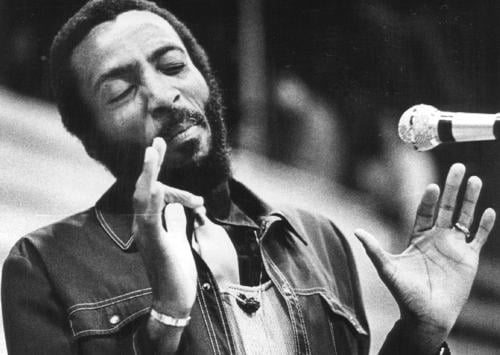
Panel at University of Chicago Law School discuss ending capital punishment, part 3
Feb. 19, 1965 Dick Gregory satirizes capital punishment in the United States, calls for the churches to take action, and talks about potential actions from "demonstrators." Other panel members answer audience questions (Father James Jones, Norval Morris, Hans W. Mattick, and Arthur Wineberg). Hosted by the University of Chicago. (Part 3 of 3)
-
-

Jackie "Moms" Mabley talks about her life and career as a comedian ; part 1
Jun. 13, 1961 Jackie "Moms" Mabley talks about her life and career as a comedian. She speaks fondly of her hometown and of her childhood and family. Copyrighted material has been removed from this program.
-

Jackie "Moms" Mabley talks about her life and career as a comedian ; part 2
Jun. 13, 1961 Jackie "Moms" Mabley talks about her life and career as a comedian. She speaks about how comedy/humor has changed and how some have become thieves of material. Copyrighted material has been removed from this program.
-
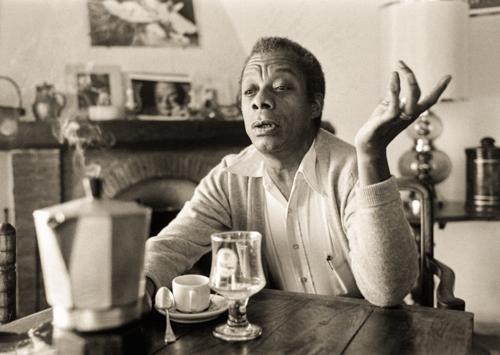
James Baldwin discusses his book "The Evidence of Things Not Seen"
Nov. 22, 1985 John Baldwin talks about his book "The Evidence of Things Not Seen" in which discusses the Wayne Williams Atlanta child murders of 1979-1981. This record is part of the Studs Terkel Almanac.
-
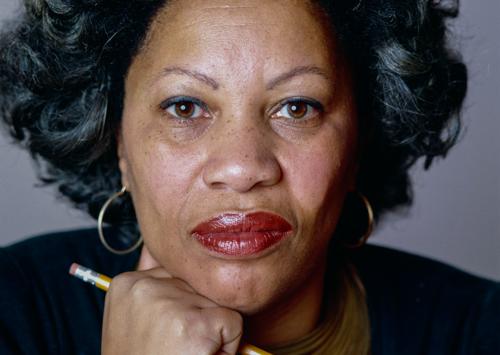
Toni Morrison discusses her book "Song of Solomon"
Oct. 7, 1977 Toni Morrison talks about her books and themes of memory, excessive love, possession, and recovery. It includes an excerpt from an interview with Emanuel Dunn.
-
Derrick Bell discusses his book "Confronting Authority"
Dec. 2, 1994 Civil rights activist, lawyer, and professor Derrick Bell discusses his latest work and protest against Harvard University due to their lack of diverse hiring in academics. Bell is known for his work on the concept of critical race theory and his relentless pursuit of fair treatment for his colleagues.
-
Interviewing ex-convict turned probation officer, writer and lecturer Albert Race Sample
Dec. 4, 1984 Discussing the book "Race hoss: big Emma's boy" with the author Albert Race Sample. Includes Sample reading a section of the book.
-

Studs Terkel interviews Professor Charles V. Hamilton on his book written with Stokely Carmichael entitled "Black Power: Politics of Liberation in America" ; part 1
Nov. 21, 1967 Using the backdrop of James Baldwin's "Nobody Knows My Name" and Baldwin's feelings that Blacks were ashamed of where they came from, Terkel interviews Professor and Chairman of the Political Science Department of Roosevelt University on his book coauthored with Stokely Carmichael entitled" Black Power: Politics of Liberation in America". Hamilton states that Blacks were taught to hate themselves and leave school believing that. Institutional racism and the deliberate oppression it creates, holds blacks back. Blacks are left out of crucial decision making processes that concern them.