Listen to New Voices on Studs Terkel our partnership with 826CHI-here! Read the Story


Showing 1 - 10 of 94 results
-
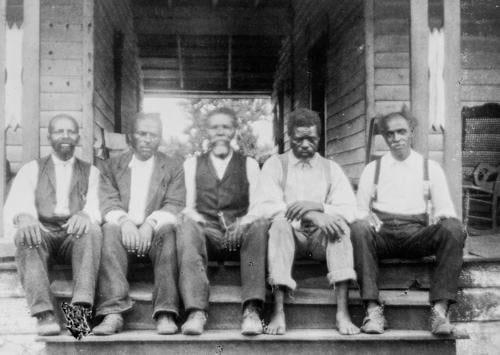
Lerone Bennett, Jr., John Hope Franklin and Hoyt Fuller discuss the book "Distortions of Negro History"
Jun. 3, 1965 Discussing "Distortions of Negro History" and interviewing Lerone Bennett, Jr., John Hope Franklin and Hoyt Fuller.
-

John D. Weaver discusses his book "The Brownsville Raid"
Apr. 6, 1971 Events not recorded in history books is what prompted John D. Weaver to write "The Brownsville Raid: The Story of America's Black Dreyfus Affair". Weaver had heard the story of Black Army soldiers causing a raucous, when they were actually set up. Without even being granted a trial, President Theodore Roosevelt, dismissed those soldiers from the United States Army, Weaver explained.
-
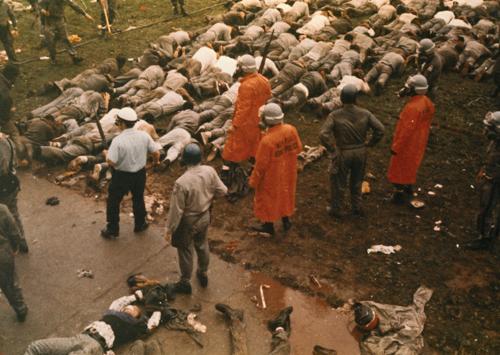
Tom Wicker discusses his book "A Time to Die: The Attica Prison Revolt"
Mar. 21, 1975 Wicker discusses the events at the center of his book, "A Time to Die: The Attica Prison Revolt." The discussion also covers Wicker's thoughts on his responsibility as a journalist to his fellow man. Both Wicker and Terkel read excerpts from the book. (includes excerpts from T2576, 1970 Nov. 20).
-
Elma Stuckey reads from and discusses her poetry
Mar. 10, 1961 Stuckey talks about her childhood in Memphis, writing "in the dialect", and reads "Rigamarole", "Daylight Savings Time", "Defense", "Old Man" and "Old King Cotton".
-
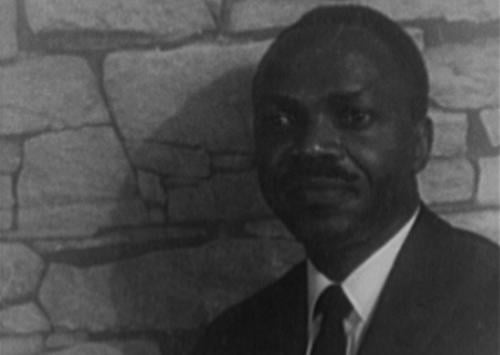
E.R. Braithwaite discusses his career and the book "Reluctant Neighbors"
1972 E.R. Braithwaite, Guyanese-born British-American novelist, writer, teacher and diplomat discusses his writing and career. The interview opens with Mr. Braithwaite, reading from his book "Reluctant neighbors".
-
Phyl Garland discusses themes from her book "Sound of Soul" and the black influence on music ; part 1
Nov. 25, 1968 Studs interviews Phyl Garland about her book "Sound of Soul." They discuss the history of music and how black music influenced white music. Studs reads a quote from her book where she quoted Lerone Bennett. Garland also reads from her book a few times. They discuss how music changed over time for blacks from spirituals to slave songs to the blues because it was a reflection of their lives. Garland explains how blacks used music to help them through their trials and frustrations.
-
William Brashler talks about his book "Bingo Long's Traveling All-Stars and Motor Kings"
Dec. 10, 1973 Mr. Brashler converses with Studs about his research for the novel and the players he had spoken with to gather information for the book. The novel tells the story of a baseball team that revolts from a tyrannical Negro League owner and spends the 1939 season barnstorming around the Midwest. Includes two excerpts of a Cool Papa Bell interview talking about their travel as "barnstormers". Studs and Mr. Brashler read several exchanges of dialogue from the book.
-
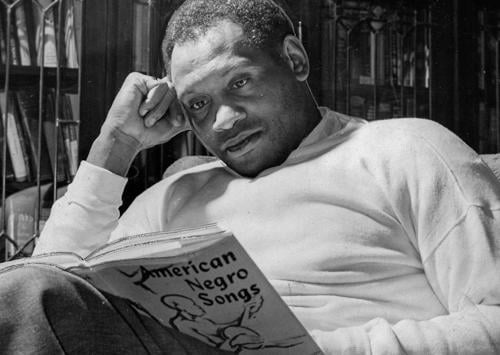
Studs presents a tribute to singer, actor, athlete, author and civil rights crusader Paul B. Robeson
Jan. 28, 1976 Studs presents a tribute to singer, actor, athlete, author and civil rights crusader Paul B. Robeson. Studs talks about his personal memories, the social impact and music of Paul Robeson. Excerpts from 1925362-4-1 Mr Robeson' friends recall memories of him: Earl Dickerson one of the 1 st black aldermen of Chicago, J. Mayo "Ink" Williams football player, Studs Terkel, Claudia Cassidy(1925655-4-1), Eddie Balchowski, Veteran, painter, poet(1934701-3-1) Includes excerpts from 1925362-4-1 and music. Similar to 1925362-3-1, but not identical. 01/23/1976 date of death.
-
Maya Angelou and Tom Wicker discuss life and culture in the U.S. South
Jul. 1, 1979 Poet Maya Angelou and journalist Tom Wicker discuss life in the U.S. South and how the region’s history has shaped its culture. Topics of discussion include social dynamics and race in the South, the concept of “home” and what it means to return to one’s roots, and religion in the South. Angelou reads excerpts of her poetry, including “Still I Rise” and “Phenomenal Woman,” and shares spiritual songs from her childhood.
-
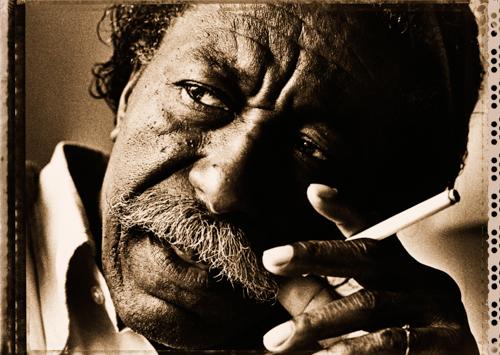
Gordon Parks discusses his book "Shannon"
Sep. 10, 1981 Discussing the book "Shannon" with the author Gordon Parks.