Listen to New Voices on Studs Terkel our partnership with 826CHI-here! Read the Story


Showing 31 - 40 of 53 results
-
-

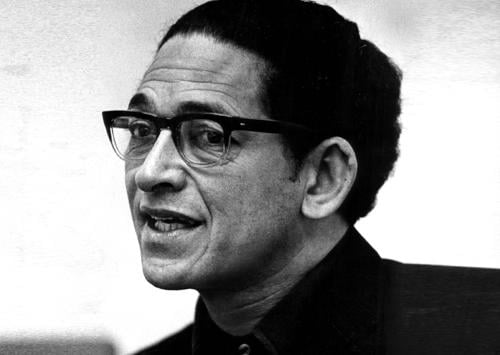
Derrick Bell discusses his book "Confronting Authority"
Dec. 2, 1994 Civil rights activist, lawyer, and professor Derrick Bell discusses his latest work and protest against Harvard University due to their lack of diverse hiring in academics. Bell is known for his work on the concept of critical race theory and his relentless pursuit of fair treatment for his colleagues.
-
Ray Gordon and Susanne Nussbaum discuss the play "Disabled Genius" and people with disabilities
Nov. 27, 1979 Ray Gordon, writer and director, and Susanne Nussbaum, cast member of "Disabled Geniuses," discuss the play and the life of people with disabilities. Nussbaum recalls experiences of discrimination she and her friends have faced due to their differences. Both interviewees then talk about the members of the play and some of the characters involved.
-
Barbara Kingsolver discusses her book "Holding the Line: Women in the Great Arizona Mine Strike of 1983"
Sep. 17, 1990 Since no men were allowed to picket against the Phelps Dodge Corp., Mexican American women showed up and according to Kingsolver’s book, “Holding the Line,” the picket lines were a brand new experience for the women. Some of the women had to get their husbands’ permission to picket. The group of women found their lives transformed not only with their cause but with new bonds of friendship from the other women.
-
Bill Adelman, Paul Avrich, Carolyn Ashbaugh, and Bill Neebe discuss the Haymarket Square Riot
May. 2, 1986 Commemorating the centennial of the Haymarket Square Riot, or Haymarket Affair, are authors and historians Bill Adelman, Paul Avrich, Carolyn Ashbaugh, and the grandson of Haymarket defendant Oscar Neebe, Bill Neebe. The interveiwees create a timeline of the events leading up to the Haymarket Riot including the German immigrants living situations, unions and strikes, police brutality and corruption. The group also lays out the events from May 1st to May 5th and then the following corrupt trials.
-
Susan Brownmiller discusses her book “Waverly Place” and the Lisa Steinberg child abuse case of 1987
Mar. 1, 1989 Author Susan Brownmiller discusses and reads from her book “Waverly Place”, a fictional story heavily inspired by the Lisa Steinberg child abuse case of 1987. Brownmiller discusses the details of the case and how domestic abuse, law enforcement, and the judicial system affected the outcome of this case. Studs plays "She Sits on the Table" - Tom Paxton (1980).
-
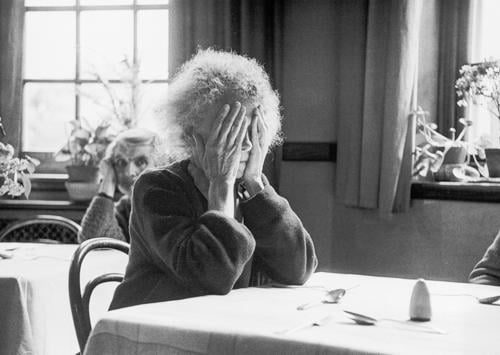
Theodore Marmor discusses his book "The politics of Medicare"
Nov. 5, 1974 Discussing the book, "The Politics of Medicare," and interviewing the author Theodore Marmor. Associate professor of Center of Health Administration studies at University of Chicago. Mr Marmor has been part of policy planning with the department of welfare, for medicare. He talks about National Healthcare or at the least affordable healthcare for all. He speaks of Medicare not covering all expenses specifically prescription drugs.
-

Nancy Milio reads from and discusses her book "9226 Kercheval"
Jun. 13, 1970 Nancy Milio's book, "9226 Kercheval: The Storefront That Did Not Burn," is about community health services offered in a ghetto on the south side of Detroit, Michigan. As a nurse, Milio knew how important it was to offer quality health services to poor and uneducated individuals. With their real names changed, Milio talks about her experiences with Mrs. Watkins, Johhnie West and others at the center.
-
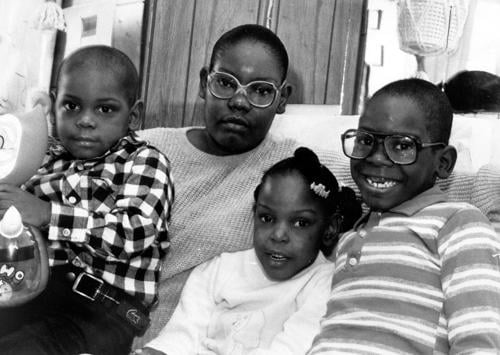
Jonathan Kozol reads from and discusses his book "Rachel and Her Children: Homeless Families in America"
Jan. 16, 1989 The people living at the Martinique feel as though they are a toxic waste substance being compressed in the density living quarters, explains Jonathan Kozol. Rachel of Kozol's book, "Rachel and Her Children: Homeless Families in America" said people don't want to see them. Refering to the song, "We are the World, " Rachel also asks how come people care so much for people they can't see? "We are the world, " says Rachel. "We live here, too".
-
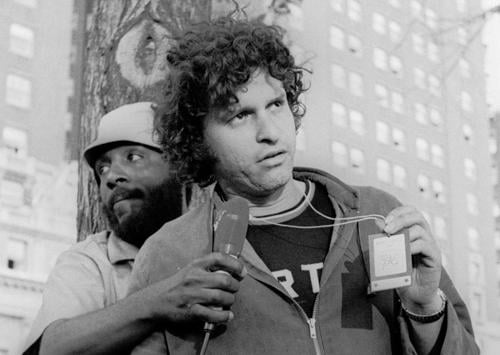
Paul Krassner discusses his book "Confessions of a Raving, Unconfined Nut: Misadventures in the Counter-Culture"
Oct. 19, 1993 Author, comedian and satirist Paul Krassner joins Studs Terkel in a “mosaic” of an interview, as Krassner calls it, to discuss his book, “Confessions of a Raving, Unconfined Nut: Misadventures in the Counter-Culture.” The conversation begins with two clips from Abbie Hoffman and Lenny Bruce, friends of Krassner’s and fellow key figures in the counterculture movement of the 1960s. Krassner speaks on his friends’ legacies, and then begins telling his story, reading a passage from his book about when he first started questioning society.