Listen to New Voices on Studs Terkel our partnership with 826CHI-here! Read the Story


Showing 21 - 30 of 146 results
-
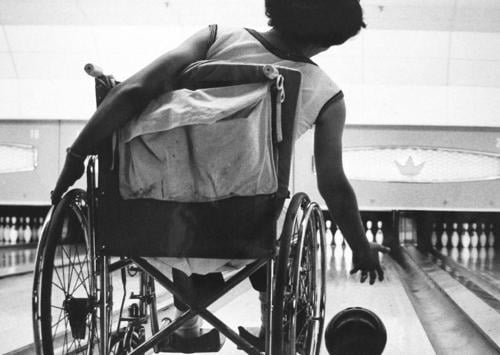
Hollie Brock and Jim Potter both paraplegics, discuss what it is to "be" a paraplegic
1968 Mr. Brock, a recreational therapist, and Mr. Hollie, a nurse, discuss paraplegia. Each of the gentlemen discuss the individual accidents that caused their injuries, their recovery and how they got through it. They talk to Studs about the things they enjoy doing and goals they are trying to reach.
-
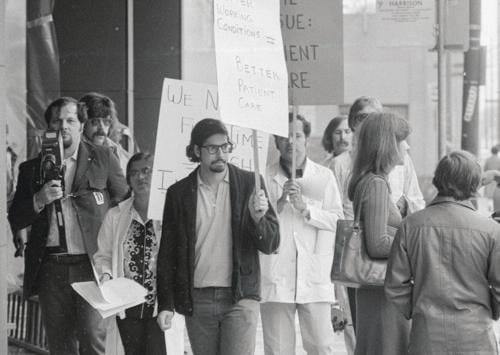
Studs Terkel interviews three Cook County Hospital doctors about their 1975 strike
Nov. 12, 1975 Studs interviews three Cook County Hospital doctors: Dr. Tessa Fischer Dr. Mark Bonnell Dr. David Moore Main topic of conversation is the 18-day residents and interns strike at Cook County Hospital, Chicago, October-November 1975. At the time it was the longest doctors’ strike in U.S. history. Topics include: Patient care, benefits and wages, and working conditions. The distinction is made between a "strike" and what the doctors call a "job action".
-

Dr. Bertram Carnow, and Joan and Bob Ericksen discuss health hazards in work environments
Jun. 5, 1974 Discussing health hazards in work environments and environmental pollution. Interviewing Dr. Bertram Carnow and Bob and Joan Ericksen.
-
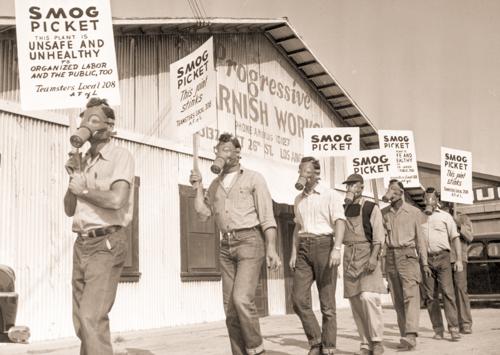
Dr. Bertram Carnow and Bob and Joan Ericksen discuss occupational illnesses and pollution
Nov. 21, 1974 Both Bob and Joan Ericksen ask why is a school being built not only by two highways but right next door to a paint factory. They contend that the paint fumes can't be good for anyone to breath. Instead of asking their patients where they work, Dr. Carnow believes more doctors need to ask, "What do you do?", to determine if they're working with any hazardous materials that may harm their health.
-

Dr. Bertram Carnow discusses the environment and pollution
Aug. 24, 1973 Interviewing Dr. Bertram Carnow about environmental health, air pollution, and occupational diseases.
-

Terkel comments and presents "Hard Times: an Oral History of the Great Depression"; chapter 6
1971 Presenting "Hard Times: An Oral History of the Great Depression" Chapter 6: Three Strikes. Bob Stinson discusses working at General Motors and how the sit-down strike began. Justin McCarthy discusses his job conditions at Ford Assembly Plant prior to the unions implementation. Mike Widman remembers heading up union negotiations and the strike at the Ford Plant in 1940-41. Dr. Lewis Andreas talks about being at the 1937 Memorial Day massacre and providing medical care during the Depression.
-

-
Leon DesPres, Quentin Young, and Bob Volen discuss being spied upon by the police and the FBI
Mar. 30, 1978 Leon DesPres, Quentin Young, and Bob Volen discuss being spied upon by the Police and the FBI. They discuss the nature of spying, protests, and lawsuits. Includes the song "Die Gedanken Sind Frei" sung at the end.
-
Interview with Barbara Cartland
Mar. 5, 1970 Interviewing Barbara Cartland at her castle and a Welsh physician in Tavistock Square while Studs was in England.
-
Dr. Joseph Burkhalter and Dr. Charles Price talk with Studs about Pharmaceutical Chemistry ; part 1
1964 Studs has a conversation with Dr. Charles Price, American Chemical Society president and chairman of chemistry department at University of Pennsylvania and Dr. Joseph Burkhalter, Professor of pharmaceutical chemistry at University of Michigan, and chairman of American Chemical Society's division of medicinal chemistry. Dr. Price And Dr. Burkhardter discuss the drug industry and working with the government to develop pharmaceutical medicines. Both doctors voice the debate about creation of nuclear technology and how that impacted science in general. (part 1)