Listen to New Voices on Studs Terkel our partnership with 826CHI-here! Read the Story


Showing 71 - 80 of 135 results
-

Dick Gregory discusses American politics
Dec. 17, 1964 This interview begins with a clip of one of Dick Gregory’s performances, where he talks about nonviolence and Native Americans. Studs Terkel introduces his guest as an observer, explaining that comedians are the best observers in society. Gregory offers extended analogies to communicate his views on a variety of topics, including the Vietnam War, race relations, segregation, human rights, and urban renewal. [The date is unclear, but it has to be after 1970, since the Kent State Shootings were mentioned]
-
-
-
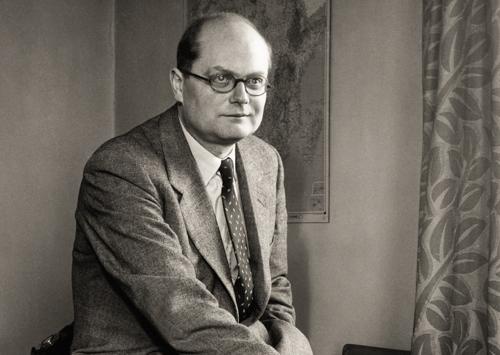
Hugh Carleton Greene discusses the BBC
Nov. 22, 1962 Interviewing Director General of BBC Hugh Carleton Greene while Studs was in England.
-
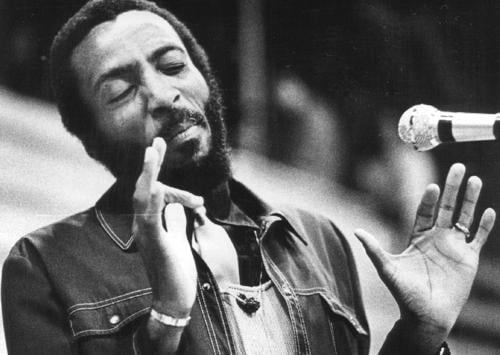
Dick Gregory discusses his career
May. 14, 1970 Lillian Smith excerpt opens the program.
-
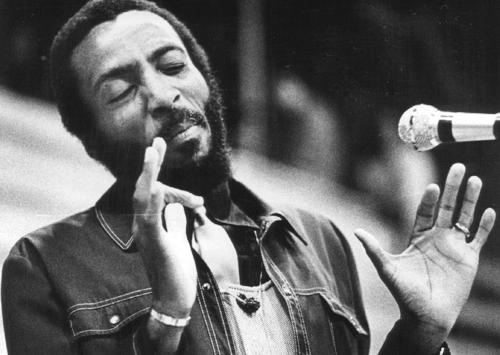
Dick Gregory discusses his book "Dick Gregory's Natural Diet for Folks Who Eat: Cookin' With Mother Nature"
May. 30, 1973 Comedian and activist Dick Gregory joins Studs Terkel to discuss his new book “Dick Gregory's Natural Diet for Folks Who Eat: Cookin' With Mother Nature.” Gregory talks about his experiences fasting for both political and health reasons, and he comments on hunger in America, the power of the navy bean, and changing trends in eating. The two discuss the peace movement and Watergate, and Gregory shares his experience as a black man in the military. Gregory believes that how you treat yourself and your body reflects how you treat others.
-
John Henry Faulk discusses his book "Fear on Trial" ; part 2
Dec. 1, 1964 Folklorist and radio show host John Henry Faulk discusses his book "Fear on Trial," covering his experiences being on the Hollywood blacklist and his lawsuit against AWARE; includes Christmas story at the end of part 2.
-
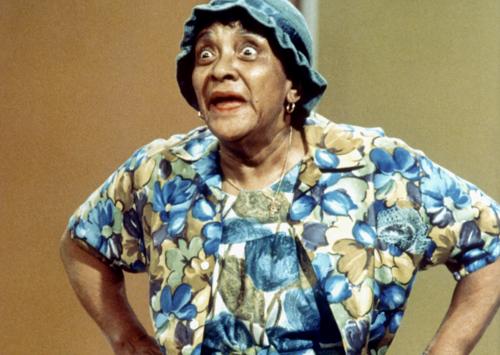
Jackie "Moms" Mabley talks about her life and career as a comedian ; part 1
Jun. 13, 1961 Jackie "Moms" Mabley talks about her life and career as a comedian. She speaks fondly of her hometown and of her childhood and family. Copyrighted material has been removed from this program.
-
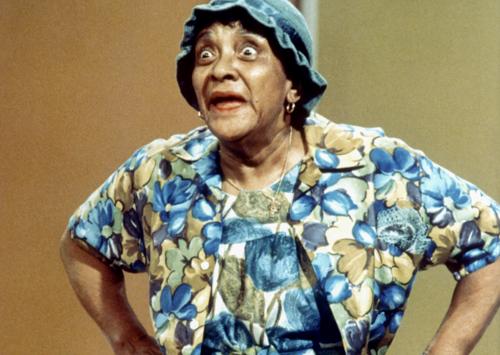
Jackie "Moms" Mabley talks about her life and career as a comedian ; part 2
Jun. 13, 1961 Jackie "Moms" Mabley talks about her life and career as a comedian. She speaks about how comedy/humor has changed and how some have become thieves of material. Copyrighted material has been removed from this program.
-
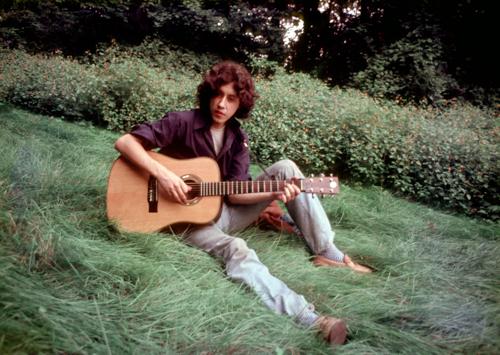
Arlo Guthrie discusses his music and influences
Jan. 23, 1971 In this interview with Terkel, folk singer-songwriter Arlo Guthrie talks about what influences his songwriting and the new definition of folk music. They touch on the shared experience of humanity, the role of the entertainer in society, and the older generation’s contributions to society. Guthrie expresses a desire to create a music “carnival” where performers and audience members both participate together. Guthrie also discusses how he began playing the banjo, and Studs comments on how Arlo has grown as a musician since his father's, Woody Guthrie, death.