Listen to New Voices on Studs Terkel our partnership with 826CHI-here! Read the Story


Showing 1 - 10 of 110 results
-

Jimmy discusses work ethic and dreams; Carolyn and May Rose discuss daily life, and worries; part 2
1968 Jimmy discusses work ethic and pride. High school students Carolyn and May Rose describe a typical day, future plans and worries. All talk about what the world would look like if they were God. Part 2
-
-
-
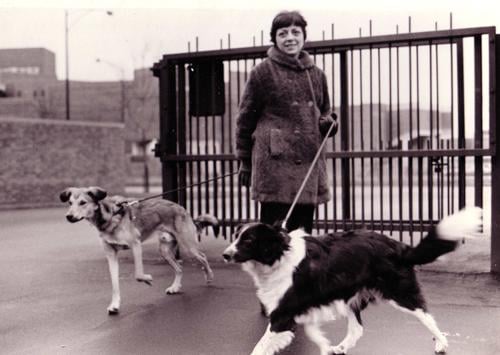
Florence Scala discusses her friendship with Jessie Binford of Hull House
Jul. 18, 1966 Even after Jessie Binford left Hull House due to its demolition, she corresponded with Florence Scala through hand-written letters. Scala learned that Binford was a country girl who lived in the big city of Chicago. Scala reads some of her letters from Binford. There is also an excerpt of Jessie Binford.
-
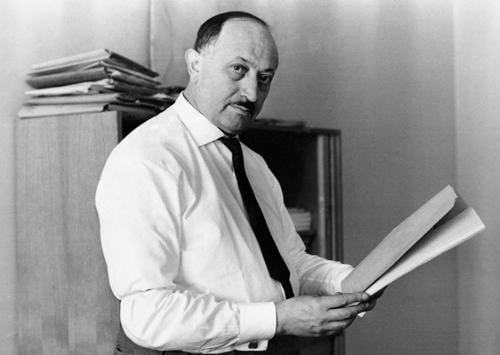
Simon Wiesenthal discusses World War II and The Sunflower
Mar. 12, 1976 Simon Wiesenthal discusses his advocacy work after surviving the Holocaust and the publication of The Sunflower in 1969.
-
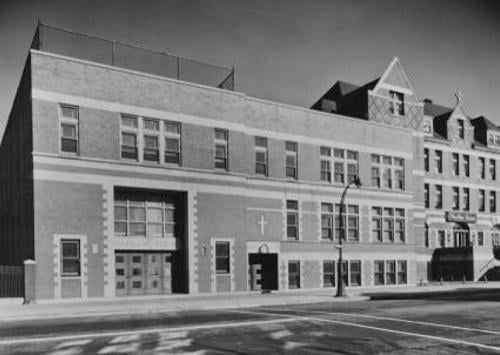
Sister Mary William discusses the importance of Marillac House
Apr. 10, 1968 Content Warning: This conversation includes racially and/or culturally derogatory language and/or negative depictions of Black and Indigenous people of color, women, and LGBTQI+ individuals. Rather than remove this content, we present it in the context of twentieth-century social history to acknowledge and learn from its impact and to inspire awareness and discussion. When she was a teenager, Sister Mary William told her parents that she wanted to become a nun. Sister Mary wanted to become a nun so that she could love and help many people.
-
General Chaney, Charles Roche and Mary Lou Wolff discuss the Citizens Action Program
Nov. 27, 1973 Interviewing General Chaney, Charles Roche and Mary Lou Wolff of the Citizens Action Program.
-
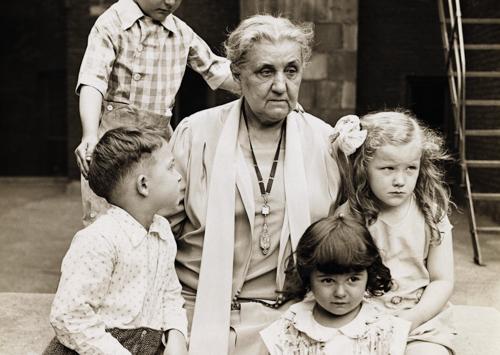
Jessie Binford discusses her life, Jane Addams, and the work they did together
Aug. 1965 Studs interviews Jessie Binford at her home at the Tall Corn Hotel in Marshalltown, Iowa. Ms. Binford reflects on growing up in Marshalltown and going to Hull House Chicago where she met Jane Addams. Ms. Binford talks to Studs about politics and the changes in technology. Includes an excerpt of a previous interview with Florence Scala.(1915178-3-1) Also, excerpts from 1963 interview with Ms. Binford(1851518-3-1, 3-2)
-
Studs Terkel talks with members of the Mattachine Midwest organization
Feb. 19, 1970 Content Warning: This conversation includes racially and/or culturally derogatory language and/or negative depictions of Black and Indigenous people of color, women, and LGBTQI+ individuals. Rather than remove this content, we present it in the context of twentieth-century social history to acknowledge and learn from its impact and to inspire awareness and discussion. Discussing homosexuality and American society and interviewing members of the Mattachine Midwest organization: Jim Bradford, Valerie Taylor (pen name of Velma N. Tate, 1913-1997), and Henry Weimhoff.
-
Mothers discuss the hardships of living on welfare
1968 Five mothers from Chicago discuss the hardships of living in poverty and how little welfare actually helps with Studs Terkel.