Listen to New Voices on Studs Terkel our partnership with 826CHI-here! Read the Story


Showing 1 - 10 of 17 results
-

Nicholas Von Hoffman discusses his novel, "Two Three Many More" with Studs Terkel
1970 Nicholas Van Hoffman discusses the characters of his novel, "Two Three Many More" about campus protests against the Vietnam War. Political viewpoints, regulations, and character analysis are discussed. Von Hoffman opens the interview with a reading from the opening of the book that mentions peace, solidarity, and disunity. Terkel and Von Hoffman read excerpts together from the book.
-
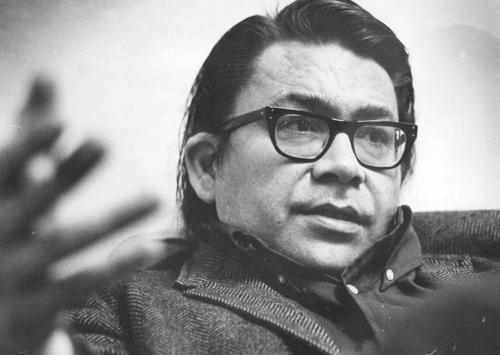
Vine Deloria discusses Native American rights and history
Jan. 20, 1975 Vine Deloria discusses Native American rights and history focusing on treaties formed and broken by the United State government. Original recording 1965063-3-1 includes music by Buffy Sainte-Marie.
-
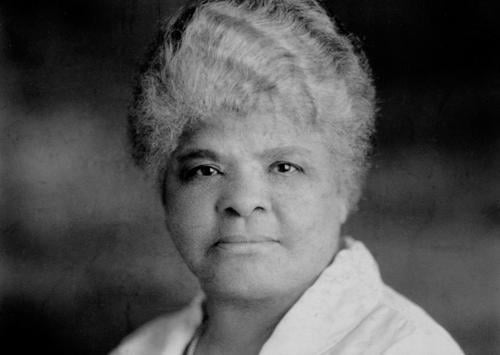
Alfreda Wells discusses her mother, Ida B. Wells-Barnett and her book "Crusade for Justice"
Sep. 3, 1971 Alfreda Wells, the youngest child of Ida B. Wells-Barnett, talks about her mother's life and work as an investigative journalist and strong champion of civil and women's rights. This version does not have music.
-
Anne Braden discusses her experiences during the Civil Rights Movement
Apr. 30, 1979 Journalist and author of “The Wall Between,” Anne Braden, shares moments from her life as a civil rights worker in Louisville, KY.
-
Vine Deloria discusses his book "American Indians, American Justice"
Nov. 17, 1983 Buffalo, land, barbed wire, treaties and legal cases are all topics of Vine Deloria's book, "American Indians, American Justice". A lawyer and a Sioux Indian himself, Deloria points out a tricky question for the courts -- What constitutes Indian country?
-
-
Jill Tweedie discusses and reads from her book “In the Name of Love” with Alan Brien
British feminist and journalist Jill Tweedie discusses and reads from her book “In the Name of Love” with British journalist and humorist Alan Brien. Tweedie explores the scientific and psychological nature of what it means to “love” and how this differs from passion and romance. Studs plays "Loveless Love" - Billie Holiday (1940) and "Douce Dame Jolie" - Roland Hayes (1966).
-
-
Ron Kovic discusses his autobiography "Born on the Fourth of July"
Jul. 29, 1977 Studs interviews Vietnam veteran and anti-war activist Ron Kovic upon the paperback release of his autobiography "Born on the Fourth of July." Kovic recounts his All-American upbringing and unblinking faith in the country and its ideals before volunteering for the Marines and Vietnam.
-
Milton Mayer discusses Quakerism and the impact they have had on society
Dec. 27, 1974 Milton Mayer, journalist and educator, talks with Studs about Quakerism. They talk about how religion relates to society in the times of change. Mr Mayer describes an exchange with a gentleman who asked what is a Quaker. The man had been an SS officer who told Mr Mayer his story. The man had been touched by the anonymous generosity of the Quakers many years before. Mr Mayer speaks of A. J. Musty, clergyman and political activist as his mentor and friend, and the things he learned from him.