Listen to New Voices on Studs Terkel our partnership with 826CHI-here! Read the Story


Showing 1 - 8 of 8 results
-
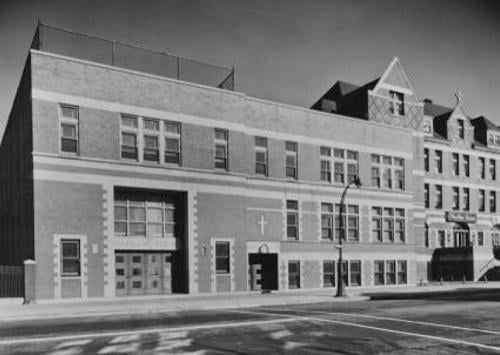
Sister Mary William discusses the importance of Marillac House
Apr. 10, 1968 Content Warning: This conversation includes racially and/or culturally derogatory language and/or negative depictions of Black and Indigenous people of color, women, and LGBTQI+ individuals. Rather than remove this content, we present it in the context of twentieth-century social history to acknowledge and learn from its impact and to inspire awareness and discussion. When she was a teenager, Sister Mary William told her parents that she wanted to become a nun. Sister Mary wanted to become a nun so that she could love and help many people.
-

Interview with neighborhood residents
1970 Interviewing neighborhood residents in the people's park (Lincoln Park) with Father Lezak, Newbold the English Plumber, Pat Creer, Dick Brown, Harley Budd on fear and violence and Peter Bauer on fear and violence (part 2).
-
Interview with Father Daniel Berrigan
Apr. 30, 1996 Discussing the book "Apostle of Peace: Essays in Honor of Daniel Berrigan," with essayist and poet Father Daniel Berrigan.
-
Leonard Dubi, Denise Ponzetti and Mary Lou Wolff discuss the Citizen's Action Program and community activism in Chicago
1967 Father Leonard Dubi and community advocates Denise Ponzetti and Mary Lou Wolff discuss the Citizen's Action Program and community activism in Chicago.
-
Hans W. Mattick and Father Robert Taylor discuss the scandal at Cook County Jail
1968 Content Warning: This conversation includes racially and/or culturally derogatory language and/or negative depictions of Black and Indigenous people of color, women, and LGBTQI+ individuals. Rather than remove this content, we present it in the context of twentieth-century social history to acknowledge and learn from its impact and to inspire awareness and discussion. Former Assistant Warden of the Cook County Jail, Hans W.
-
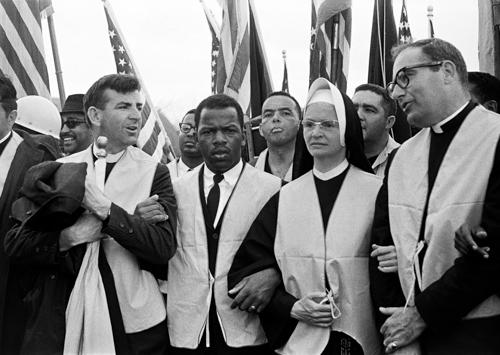
John A. McDermott and Sister Mary Peter discuss Catholic Church's Participation in Civil Rights Movement
Sep. 15, 1965 John A. McDermott and Sister Mary Peters discuss Catholic Church's Participation in Civil Rights Movement. Includes interview with unknown Catholic man opposed to nuns' and priests' involvement. Includes song "It Isn't Nice" by Judy Collins.
-
Lily (Rose Rigsby) Lowell and two men from St. Timothy's talk with Studs Terkel
1966 Discussion of Division Street: America [Continuation of interview at the end of 1925659-3-1]
-
Irwin St. John Tucker and Carolyn Ashbaugh discuss labor history and Lucy Parsons
Apr. 4, 1977 Friar Tuck, as he was also known, was very active in socialist causes in Chicago. In the sweatshops, working fourteen or fifteen hours was the norm. Carolyn Ashbaugh's book "Lucy Parsons" goes over Parsons' movement for the 8-hour work day.