Listen to New Voices on Studs Terkel our partnership with 826CHI-here! Read the Story


Showing 1 - 10 of 15 results
-
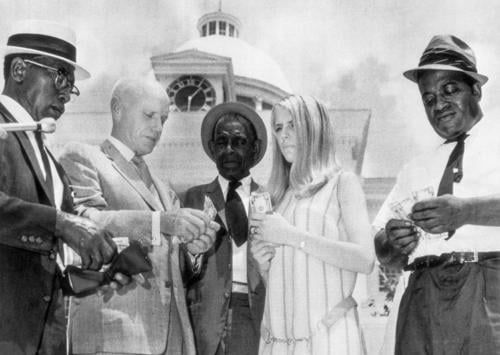
William Bradford Huie talks with Studs Terkel
Mar. 29, 1967 William Bradford Huie discusses his novel The Klansman. Includes recordings of interviews from Rev. Paschal Carlton, an unknown Alabama cab driver, and an unknown woman of Birmingham, Alabama.
-
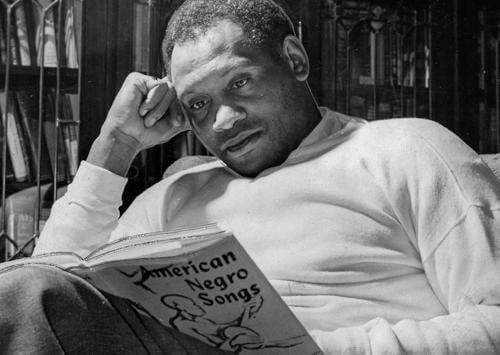
Gathering of friends discussing Paul Robeson
May. 8, 1970 Recorded live on Chicago's South Side. Robeson is ill at the time of recording. Speakers: Earl Dickerson, Etta Moten Barnett, Judge Sidney Jones, J. Mayo "Ink" Williams, Joan Brown (possibly Abena Joan Brown), Charles Hamilton, Margaret Burroughs, [John Gray's sister], [Stevens?]
-

Studs Terkel comments and presents Fiesta: a Chicago Happening ; part 1
Aug. 23, 1969 Terkel interviews Jose "Cha Cha" Jiménez during a social gathering. He also interviews Brian McCutcheon of the 43rd Ward.
-
Roger Wilkins discusses his book "A Man's Life"
Aug. 30, 1982 Discussing the book "A man's life" with the author Roger Wilkins.
-
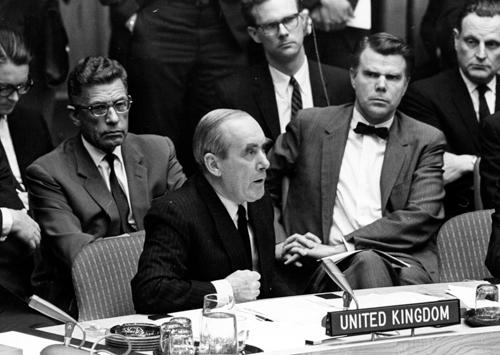
Lord Caradon discusses the United Nations
1967 Lord Caradon discusses the United Nations and its efforts.
-
Jennifer Davis, Bill Sutherland and Zola Zembe discuss South Africa and apartheid
Feb. 27, 1979 Jennifer Davis, Bill Sutherland, and Zola Zembe discuss the South Africa and their experiences with apartheid. Jennifer Davis grew up in the white middle class society of Johannesburg, whereas Zola Zembe, a native black man who lives in Capetown. They, along with Bill Sutherland, an American who works as a Representative for the American Friends Service Committee, talk about the changes that need to made and how American people and companies can help. An earlier interview of Carl Douglas Fuchs is also played.
-
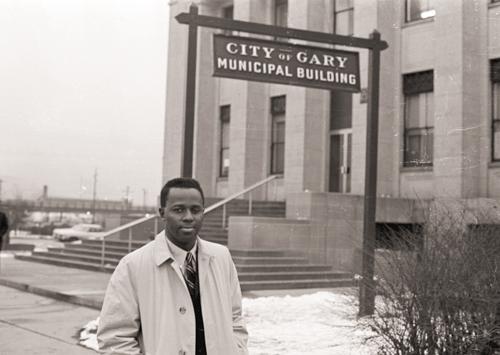
Richard G. Hatcher and Alexander Poinsett discuss Gary, Indiana, their book "Black Power: Gary Style," and politics
Jan. 18, 1971 Richard G. Hatcher and Alexander Poinsett discuss Gary, Indiana, their book "Black Power: Gary Style," politics, and race relations. They discuss the corruption in Gary, Indiana and Gary politics. Includes Richard G. Hatcher reading his old speech from his book "Black Power: Gary Style."
-
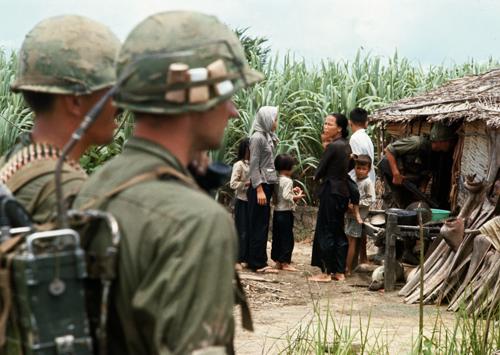
Louis Font and Ed Fox discuss their time in the military and the Vietnam War
Jun. 11, 1971 Louis Font and Ed Fox discuss their time in the military, the Vietnam War, military rituals, and West Point military academy. They express their anti-war sentiments and describe atrocities committed in Vietnam.
-
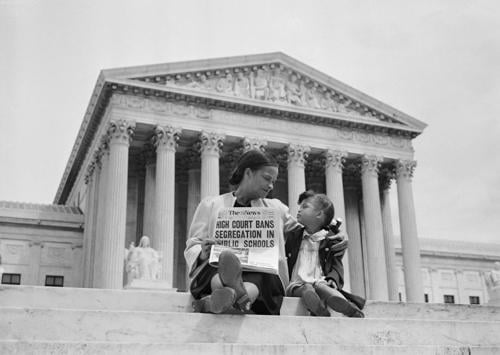
Ira B. Harkey discusses the south, civil rights, race relations, racism, his newspaper, and his career ; part 1
1966 Ira B. Harkey discusses the south, civil rights, race relations, racism, his newspaper, and his career. Includes Ira Harkey reading his writing from his newspaper the Mississippi "Chronicle-Star."
-
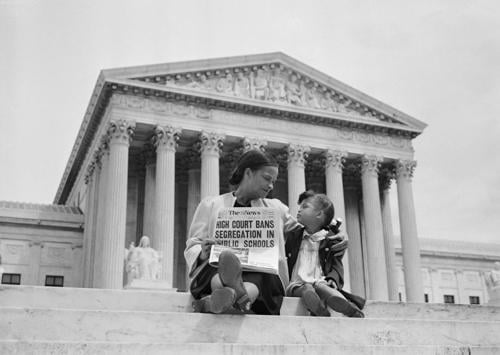
Ira B. Harkey discusses the south, civil rights, race relations, racism, his newspaper, and his career ; part 2
1966 Ira B. Harkey discusses the south, civil rights, race relations, racism, his newspaper, and his career. Includes Ira Harkey reading from his newspaper the Mississippi "Chronicle-Star".