Listen to New Voices on Studs Terkel our partnership with 826CHI-here! Read the Story


Showing 211 - 220 of 281 results
-
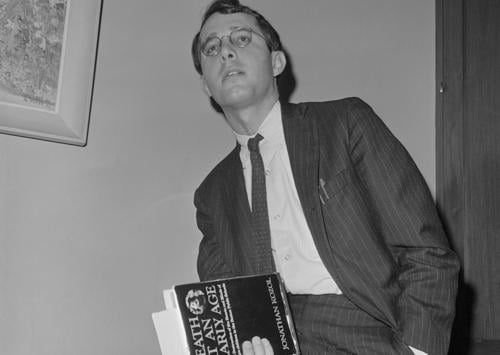
Jonathan Kozol discusses his book "Children of the Revolution: A Yankee Teacher in the Cuban Schools"
Nov. 10, 1978 Studs has a spirited discussion with Jonathan Kozol who shares his adventures and learnings in Cuba that formed the basis of his book "Children of the Revolution: A Yankee Teacher in the Cuban Schools." Kozol explains the ambitious Cuban Literacy Campaign begun in the 1960s that aimed to educate the entire population, tells of children teaching adults in remote villages by lantern light, and the unity and national pride that resulted. He and Studs explore the idea of generative words in literacy education and contemplate Kozol's hope to adapt a similar approach to American education.
-
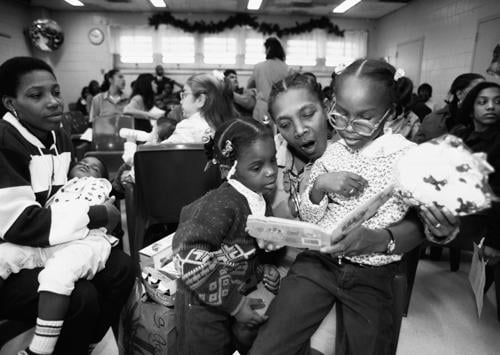
Jonathan Kozol discusses his book "Illiterate America"
Dec. 1, 1985 Jonathan Kozol discusses his book "Illiterate America." Includes an interview of a black teenager student named Jimmy.
-

-

Juliet Mitchell discusses women, family, and oppression
Apr. 25, 1971 An interview with teacher and lecturer, Juliet Mitchell, who is a Marxist. She shares her support for the women's movement and talks about issues that affect women especially gender inequality. Juliet also refers to some comparisons between British and American women's movement.
-
-
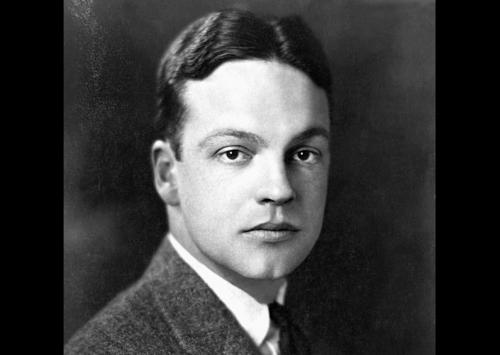
Kay R. Jamison discusses her background from her book "An Unquiet Mind"
Jan. 28, 1997 Depression, meds, psychiatry and being bi polar are all topics covered in Kay R. Jamison's book, "An Unquiet Mind: A Memoir of Moods and Madness." According to Jamison, being bi polar runs in one's family. It is in one's genes, as Jamison talks about her own personal battle with the disease. Jamison also reads passages from her book.
-
Talking about Shakespeare, with Helene Rozenberg
Apr. 27, 1979 Power, the misuse of power, and the hollowness of one's heart and soul are the main themes covered by Helene Rozenberg in her adult courses on the plays of William Shakespeare.*Please note: some sections have been edited out from the original recording due to copyright considerations
-
Interviewing Samuel Thaviu
Feb. 18, 1988 The music professor and well-traveled concertmaster of several orchestras joins Studs to discuss Bach, William Jennings Bryan, and the Chautauqua education and social movement.*Please note: some sections have been edited out from the original recording due to copyright considerations
-
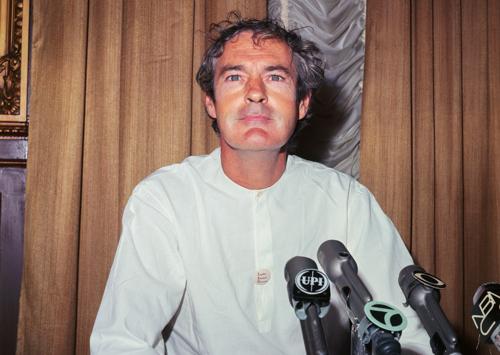
Dr. Timothy Leary discusses the stages of the psychadelic experience of turning on and his role as a Shaman ; part 2
Dec. 1, 1966 Studs interviews Dr. Timothy Leary about the three stages of the psychadelic experience: turning on, tuning in, and dropout. Leary discusses how his life changed from being a successful psychologist and professor at Harvard to renewing his life as a religious teacher. He shares how the drug LSD is used in the tribal communities who turn on and also explains the values of those who practice turning on. Leary also describes other methods used to turn on, which he considers a religious experience. Studs reads what Richard Goldstein said about Dr. Leary.
-
Dorothy and Frank Koehl discuss China's cultural revolution and the impact it had on society and politics in China
Aug. 2, 1971 Studs interview with Dorothy and Frank Koehl about the time they spent doing research in China with the Committee of Concerned Asian Scholars. The interview starts with workers singing followed by a short musical from an Asian flute. They discuss the change in China's politics and society after the revolution. Specific topics in the interview include education, women's liberation, the arts, and medical care in China with some comparisons to Korea.