Listen to New Voices on Studs Terkel our partnership with 826CHI-here! Read the Story


Showing 11 - 20 of 28 results
-
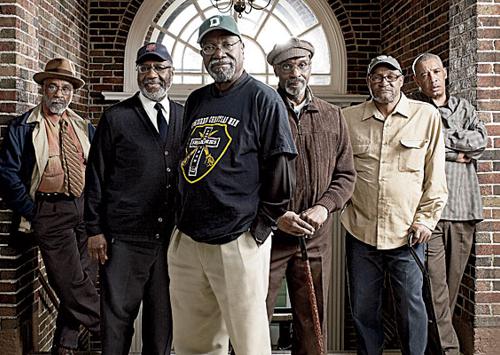
Studs Terkel discusses gang life with Allan Evans and Henry Jordan
1969 Studs Terkel discusses gang life with Allan Evans and Henry Jordan, members of the Vice Lords, an urban street gang based in Chicago. Evans and Jordan were both born and grew up in Chicago.
-
-

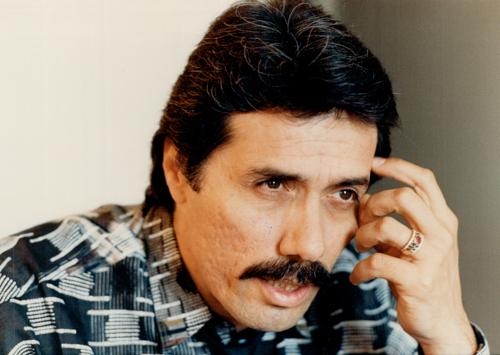
Amy Conger, Arthur Warner, and Natalie Warner discuss Chile and the coup d'etat of 1973
Oct. 20, 1975 Art historian Amy Conger and Arthur Warner and Natalie Warner discuss Chile and the coup d'etat of 1973.
-
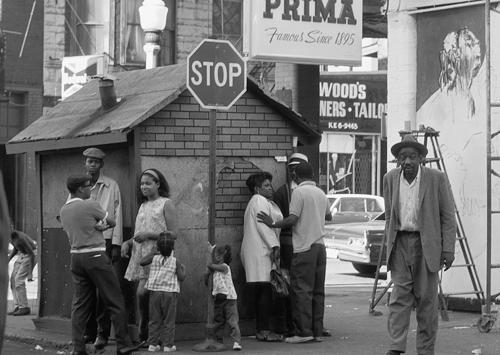
Jan Hestor, Curtiss Brooks and Dr. Philip Hauser discuss racial discrimination in Chicago ; part 5
1965 The discussion of discrimination in metropolitan Chicago continues with Jan Hestor, Curtiss Brooks and Dr. Philip Hauser talking about bigotry, prejudices, open occupancy and education. Included in this part of the interview is an excerpt of 17 year-old Jimmy talking about how his grandmother would rather work than be on welfare.
-
-
Discussing Concerned Care, Inc., a Chicago home nursing service, with Debbie Zack and Denise Hennessey
Sep. 2, 1985 Studs Terkel interviews Debbie Zack and Denise Hennessey about their careers as nurses and why they decided to go into home nursing services.
-
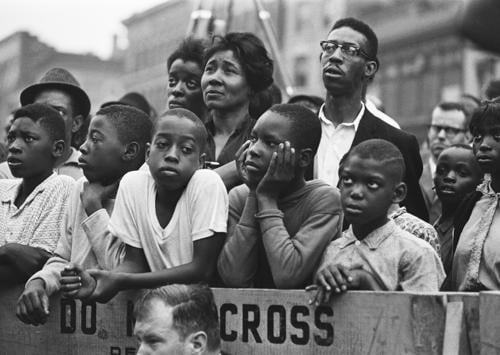
Studs Terkel interviews Professor Charles V. Hamilton on his book written with Stokely Carmichael entitled "Black Power: Politics of Liberation in America" ; part 1
Nov. 21, 1967 Using the backdrop of James Baldwin's "Nobody Knows My Name" and Baldwin's feelings that Blacks were ashamed of where they came from, Terkel interviews Professor and Chairman of the Political Science Department of Roosevelt University on his book coauthored with Stokely Carmichael entitled" Black Power: Politics of Liberation in America". Hamilton states that Blacks were taught to hate themselves and leave school believing that. Institutional racism and the deliberate oppression it creates, holds blacks back. Blacks are left out of crucial decision making processes that concern them.
-
June Terpstra and two women, Ann and Donna, discuss battered women
Oct. 28, 1983 Discussing battered women with the director of the Evanston Shelter for Battered Women, June Terpstra. Two women, Ann and Donna, talk about their experiences of abuse with their husbands.
-
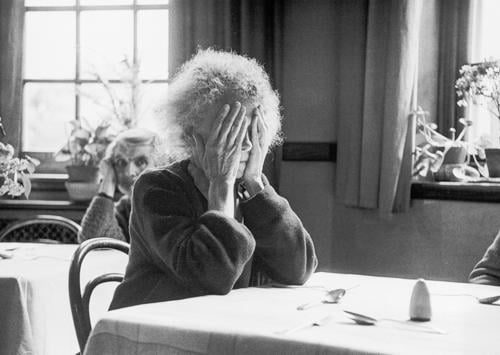
Theodore Marmor discusses his book "The politics of Medicare"
Nov. 5, 1974 Discussing the book, "The Politics of Medicare," and interviewing the author Theodore Marmor. Associate professor of Center of Health Administration studies at University of Chicago. Mr Marmor has been part of policy planning with the department of welfare, for medicare. He talks about National Healthcare or at the least affordable healthcare for all. He speaks of Medicare not covering all expenses specifically prescription drugs.
-
Milton Mayer discusses Quakerism and the impact they have had on society
Dec. 27, 1974 Milton Mayer, journalist and educator, talks with Studs about Quakerism. They talk about how religion relates to society in the times of change. Mr Mayer describes an exchange with a gentleman who asked what is a Quaker. The man had been an SS officer who told Mr Mayer his story. The man had been touched by the anonymous generosity of the Quakers many years before. Mr Mayer speaks of A. J. Musty, clergyman and political activist as his mentor and friend, and the things he learned from him.