Listen to New Voices on Studs Terkel our partnership with 826CHI-here! Read the Story


Showing 1 - 10 of 12 results
-

Mckinley Olson discusses the book "Unacceptable Risk: The Nuclear Power Controversy." and the dangers of atomic energy
Aug. 23, 1974 The interview begins with Mr Olson reading the first 3 paragraphs of his book. McKinley Olson discusses the dangers of atomic energy plants and the book "Unacceptable Risk: The Nuclear Power Controversy." Mr Olson describes several forms of alternative/renewable energy sources as a safe replacement of nuclear energy.
-
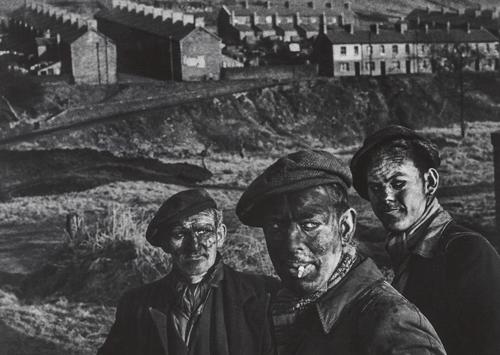
Interviewing Aileen and W. Eugene Smith
May. 22, 1975 Aileen and Eugene Smith discuss their photographic essay book, "'Minamata', Words and Photographs," documenting the mercury poisoning of residents and their legal battles with the polluting company Chisso.
-
Robert Cromie reads from and discusses his book "Where the Steel Winds Blow"
1968 "Where the Steel Winds Blow" is Robert Cromie's anthology of 210 war poems. With his book, Cromie wanted to point out the impact of war. There are also war-related songs throughout the program.
-
Daniel Ellsberg discusses his family and his beliefs about the hydrogen bomb ; part 2
Dec. 31, 1979 Daniel Ellsberg, political activist, discusses the creation and use of the atomic and hydrogen bombs. He discusses his family including how his son helped him leak the Pentagon Papers and has since protested with him, including being jailed. He also talks about his father who quit his job over the creation of the hydrogen bomb and how his father's choice helped him to decide to release the Pentagon Papers.
-
-
A program discussing the antinuclear movement with Sylvia Johnson and others
May. 23, 1983 Discussing the antinuclear movement with Sylvia Johnson, American Friends Service Committee, and two members of Greenham Commons.
-
Abe Peck discusses his book “Uncovering the Sixties: The Life and Times of the Underground Press”
Jun. 10, 1985 Editor and writer Abe Peck discusses and reads from his book “Uncovering the Sixties: The Life and Times of the Underground Press.” Peck discusses the social and political forces, such as the lack of questioning authority forces seen during this time, that drove the alternative press to formation. This program includes audio clips of Studs interviewing attendees of a Vietnam War protest in Chicago. Studs also includes a clip of British journalist James Cameron discussing the 1968 Chicago Democratic Convention. Studs plays "The Times They Are A-Changin'" - Bob Dylan (1964).
-
Interview with Dagmar Wilson
1967 Terkel interviews activist and children's author Dagmar Wilson. She discusses how she goes from a children's author to an activist for anti-nuclear testing.
-
Milton Mayer discusses Quakerism and the impact they have had on society
Dec. 27, 1974 Milton Mayer, journalist and educator, talks with Studs about Quakerism. They talk about how religion relates to society in the times of change. Mr Mayer describes an exchange with a gentleman who asked what is a Quaker. The man had been an SS officer who told Mr Mayer his story. The man had been touched by the anonymous generosity of the Quakers many years before. Mr Mayer speaks of A. J. Musty, clergyman and political activist as his mentor and friend, and the things he learned from him.
-