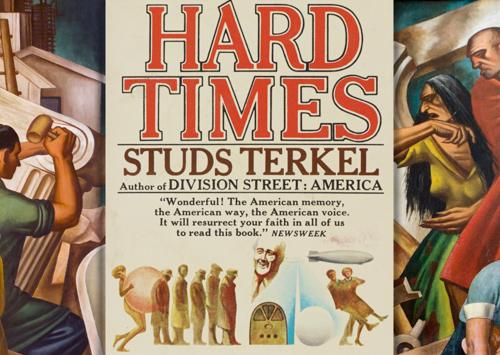
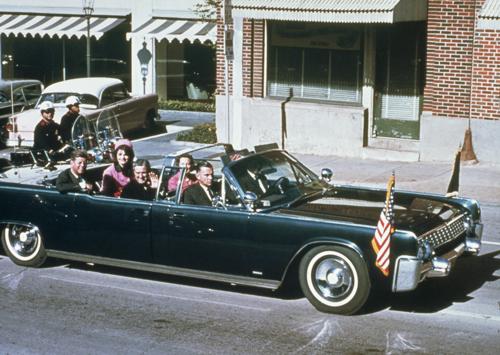
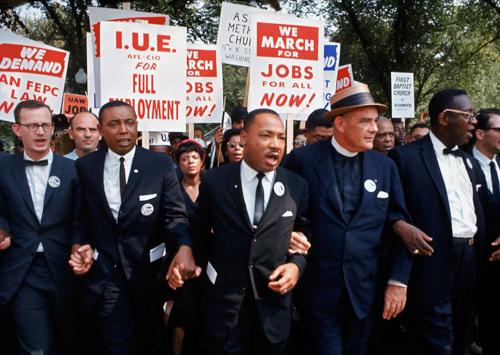
00 / 00 Reading Richard Wright's "The man who lived underground" with Michel Fabre ; part 2 BROADCAST: 1964 | DURATION: 00:37:32 Details Broadcast Date 1964 Physical Format 3 sound tape reels (ca. 102.40 min.: 7 in. Duration 37 minutes, 32 seconds Ownership The Chicago History Museum Topics American History & Politics Literature African American History & Culture People Authors, Writers Tags Fabre, Michel Wright, Richard. Man who lived underground. Audiotapes. Radio programs WFMT (Radio station : Chicago, Ill.) Related Programs Irwin Silber discusses music from the Civil War and his book “Songs of the Civil War” ; part 2 ; followed by Abdullah Ariff discussing Malayan culture Jul. 1, 1960 Terkel comments and presents "Hard Times: an Oral History of the Great Depression", Chapter 9 1971 Mark Lane discusses his book "Rush to Judgement" 1968 Jill S. Robinson discusses her book "Perdido" Feb. 24, 1993 George Thayer discusses his book “The War Business: The International Trade in Armaments Jun. 20, 1968 Studs Terkel presents a tribute to Martin Luther King, Jr. Apr. 5, 1968