Listen to New Voices on Studs Terkel our partnership with 826CHI-here! Read the Story


Showing 286 - 300 of 301 results
-

-
Bob Gibson, Hamilton Camp in conversation with Studs Terkel
Jun. 4, 1987 Interviewing folksingers, songwriters and musicians Bob Gibson and Hamilton Camp.
-
Bob Gibson, Hamilton Camp in conversation with Studs Terkel
Aug. 14, 1989 Interviewing folksingers, songwriters and musicians Bob Gibson and Hamilton Camp.
-
Bob Gibson, Anne Hills in conversation with Studs Terkel
Feb. 6, 1984 Interviewing folksingers and songwriters Bob Gibson and Anne Hills.
-
Bob Gibson in conversation with Studs Terkel
Mar. 23, 1992 Terkel presents musical performance by Bob Gibson
-
Bob Gibson in conversation with Studs Terkel
Mar. 4, 1994 Interviewing folksinger and songwriter Bob Gibson.
-
Bill Leahy discusses his views on the political and social struggles in the Republic of Ireland and Northern Ireland
Oct. 20, 1975 Studs interview with Irishman, Bill Leahy, on the political complexities surrounding Ireland in the 1960s-1970s. Leahy provides some historical background of the IRA and British colonial occupation of Ireland. They discuss Irish music, the Civil Rights Movement in Ireland, and contemporary myths about Ireland. Several Irish songs were played, but many of the titles were not captured. Planksty's music was played twice.
-
Bill Crofut in conversation with Studs Terkel
Jan. 14, 1981 Interviewing folk singer Bill Crofut.
-
Bill Crofut discusses his career as a folk singer and his work with other musicians
Dec. 8, 1981 Studs interviews Bill Crofut about his career. They discuss Crofut’s recording label, “Cousin Jacks” and his album with Benjamin Luxon, “Simple Gifts.” Crofut shares his experiences working with various musicians and describes some of his songs. He reflects on his work with the Natalie Wood film, “Brainstorm.” Crofut sings part of the “Grandfather’s Clock” and an unnamed children’s song. The music is removed from this edited version of the original recording.
-

Bernard Asbell discusses his book "The Plll"
Jun. 14, 1995 Scientists, women, birth control, religion and ethics are among the topics covered in Bernard Asbell's book, "The Pill: A Biography of the Drug that Changed the World"
-
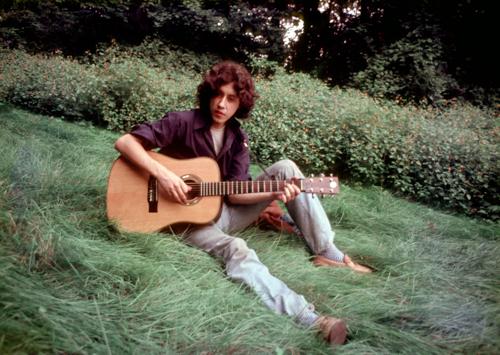
Arlo Guthrie discusses his music and influences
Jan. 23, 1971 In this interview with Terkel, folk singer-songwriter Arlo Guthrie talks about what influences his songwriting and the new definition of folk music. They touch on the shared experience of humanity, the role of the entertainer in society, and the older generation’s contributions to society. Guthrie expresses a desire to create a music “carnival” where performers and audience members both participate together. Guthrie also discusses how he began playing the banjo, and Studs comments on how Arlo has grown as a musician since his father's, Woody Guthrie, death.
-
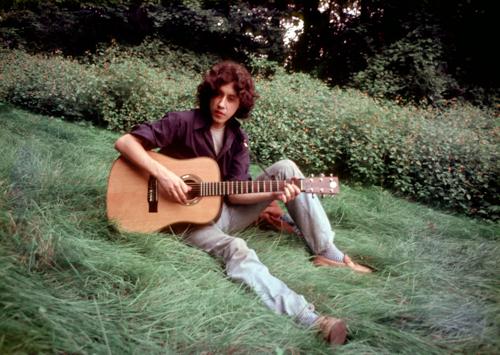
Arlo Guthrie discusses his career
Oct. 31, 1980 Arlo Guthrie discusses his approach to songwriting and how storytelling in song writing has changed. He also talks about what it's like to become known for performing works written by others. Arlo Guthrie's music is played and discussed throughout the interview: "Manzanillo Bay", "Week on the Rag", "Buffalo Skinners", "City of New Orleans", "Darkest Hour", "Massachusetts", and "Last Train to Glory". Music has been removed for copyright reasons.
-
Anndrena Belcher discusses her life growing up in the Appalachian mountains of Kentucky
Aug. 20, 1991 Singer and storyteller Anndrena Belcher discusses her life growing up in the Appalachian mountains of Kentucky and the damaging effects industrialization and coal mining had on the economic, environmental, health, and social conditions of its communities. These experiences and stories serve as inspiration for Belcher as she travels across the country singing and storytelling to raise awareness about Appalachian life. Belcher sings Jean Ritchie’s 1972 song “West Virginia Mine Disaster”.
-
-
Alan Lomax discusses collecting international folk music ; part 2
Jun. 30, 1959 This 1959 broadcast was recorded after Alan Lomax traveled Europe collecting folk music.