Listen to New Voices on Studs Terkel our partnership with 826CHI-here! Read the Story


Showing 241 - 255 of 301 results
-
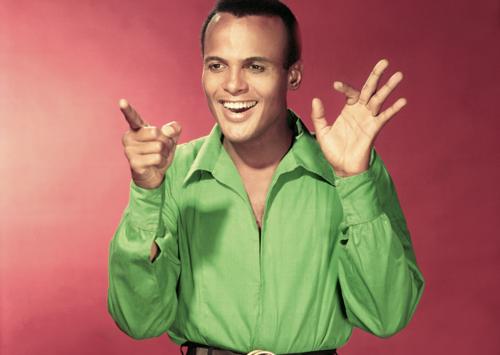
Harry Belafonte discusses jazz and folk music ; part 1
Jan. 6, 1955 Singer Harry Belafonte discusses Black music including spirituals and jazz and how it has contributed to American culture.
-

Guy Carawan and Evan Carawan discuss the impact of the Highlander Folk School
Feb. 23, 1995 Interviewing activist and musician Guy Carawan and his son, musician Evan Carawan. They discuss the impact of the Highlander Folk School during the Civil Rights Movement and their relationship with folk music. Includes a test tone that lasts 20 seconds. Content Warning: This conversation has the presence of outdated, biased, offensive language. Rather than remove this content, we present it in the context of twentieth-century social history to acknowledge and learn from its impact and to inspire awareness and discussion.
-
-
-
Folk singer Mary Travers talks about music and her career
Nov. 18, 1976 Folk singer Mary Travers - of the group Peter, Paul & Mary - talks about some of the artists that inspired her, like Pete Seeger and The Weavers.*Please note: some sections have been edited out from the original recording due to copyright considerations
-
Fleming Brown plays the banjo and discusses his career with Studs Terkel
Jan. 12, 1982 Fleming Brown, banjo player, discusses the influences Uncle Dave Macon, Pete Seeger, The Almanac Singers, and his teacher, Doc Hopkins had on him. He and Terkel also discuss the influence of WLS's Barn Dance radio show in Chicago and the Grand Ole Opry's WSM had on folk music. Fleming plays "Uncle Buddy" by Arthur Smith, to open and close the show. He also discusses the themes of Appalachian music such as lost love, mystery and murder, and plays examples for the audience.
-
Fela Sowande discusses his career and Nigerian music ; part 3
Jul. 3, 1962 Fela Sowande discusses his career, music, and compares African culture and music to Western culture and music. Includes two songs that are sung by tenor Max Worthley. Includes a clip of a Nigerian Youth song. Includes performance by a Nigerian skiffle band. Sowande was inspired by [Anthony Gregascoigne], an English poet he met in England.
-
Fela Sowande discusses his career and Nigerian music ; part 1
Jul. 3, 1962 Fela Sowande discusses his career, Nigerian music, and compares African culture and Western culture. Includes clips of musical performances by Highlife musicians and orchestra. Music: A clip of high-life music, "Folk Symphony for Full Orchestra."
-
-
-
Ella Jenkins discusses her music and her influences
Dec. 7, 1963 Using a Trobriand drum and harmonica, Ella Jenkins plays examples of call and response music with Studs. A few of her popular songs play between their discussion. Ella explains how her music came to be from the Chicago neighborhood streets with influences from her Uncle and other blues and folk musicians. Songs played include "Tahboo," "Miss Mary Mack," "You'll Sing a Song and I'll Sing a Song," "Come Dance By the Ocean," and "Dulce." Songs have been removed due to copyright restrictions.
-
Ella Jenkins discusses call and response music
Jul. 17, 1993 Using past recordings, Ella discusses how she works with children to help them find their rhythms using call and response music and percussion. She explains the West African and Latin music influences within her own music. Music played includes Jenkins' own music such as "Miss Mary Mack," "Tahboo," and "Where Has My Little Dog Gone?" She also plays song written by Carl Orff and performed by the Chorus of the Children's Opera Group, such s "Pat-a-Cake," and "Name-Calling." Untitled West African music is also played. Music has been removed due to copyright restrictions.
-
Edward Atienza discusses his early career as stage actor
Oct. 7, 1959 Edward Atienza discusses his early career as a stage actor in England. Mr Atienza talks of his work with the Stratford upon Avon(Royal Shakespeare Theater) and working with Peter Ustinov and Laurence Olivier. He sings three songs throughout the interview: "When that I was a little tiny boy", "Willow song" and "Go away from my window"
-
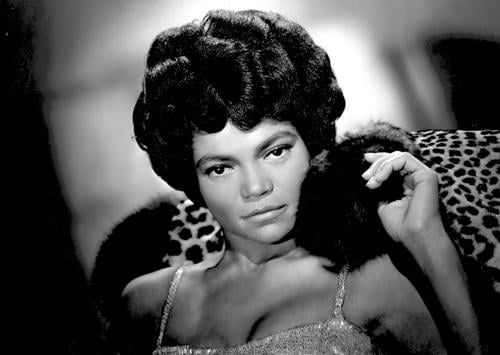
Eartha Kitt discusses her music career ; part 3
Jul. 10, 1962 Studs Terkel continues to interview actress and singer Eartha Kitt. Part 3 of the interview begins with Kitt discussing the following; her career; her international travels; and linguistic abilities.
-