Listen to New Voices on Studs Terkel our partnership with 826CHI-here! Read the Story


Showing 31 - 45 of 199 results
-
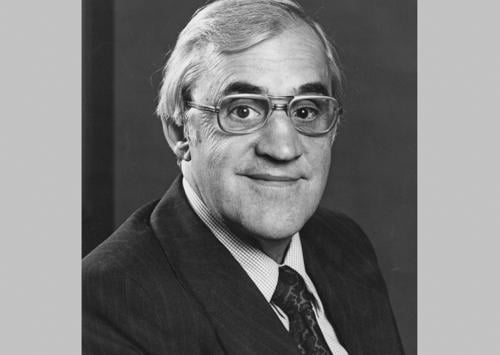
Sir Roy Shaw discusses the arts
Oct. 1, 1985 Secretary General of the British Arts Council Sir Roy Shaw and Studs Terkel discuss making the arts accessible for everyone and how the arts are a benefit to communities. Studs Terkel reads a quote from Kingsley Amos.
-

Sir George Bolton of Bank of London discusses British economic depression
Sep. 23, 1970 Sir George Bolton discusses how the 1929 American stock market crash affected international banking and investment and how economy and culture relate to each other.
-
-
Sandy Paton discusses his career in folk music
1961 *Please note: some sections have been edited out from the original recording due to copyright considerations
-
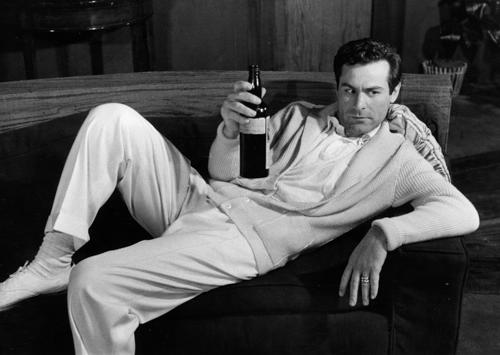
Sam Wanamaker discusses the theater ; part 1
Dec. 4, 1964 Sam Wanamaker talks about the curtain of a stage being a barrier between the set and the audience. Wanaker says that with theater today, there are more theaters in the round and more thrusts of ramps built into the audience, so that the audience can feel they are a part of the production of the play.
-
Sally Trench discusses her book “Bury Me in My Boots” ; part 2
1968 Humanitarian and author Sally Trench discusses her book “Bury Me in My Boots,” her work with the homeless communities in England, her journeys, and her belief in self-help with Studs Terkel. Both Trench and Terkel read an excerpt from Trench’s book “Bury Me in My Boots.”
-
Sally Trench discusses her book “Bury Me in My Boots” ; part 1
1968 Humanitarian and author Sally Trench discusses her book “Bury Me in My Boots,” her work with the homeless communities in England, her journeys, and her belief in self-help with Studs Terkel. Terkel reads an excerpt from Trench’s book “Bury Me in My Boots.”
-
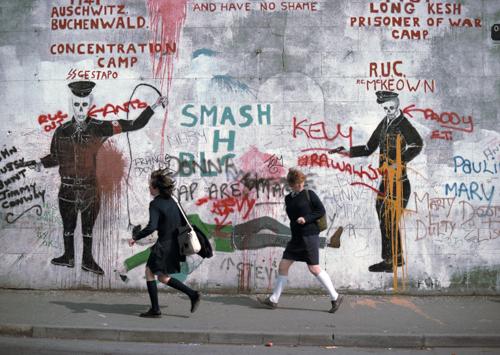
Sally Belfrage discusses her book “Living with War: A Belfast Year”
Oct. 23, 1987 Investigative journalist Sally Belfrage discusses her book “Living With War: A Belfast Year.” Belfrage discusses the complexities of the British and Irish relationship in Belfast and how opinions on this subject change from generation to generation. Studs plays Ireland's national anthem “Amhrán na bhFiann / The Soldier’s Song”; a traditional Irish song “The Sash My Father Wore”; and "Four Green Fields" - Tommy Makem and The Clancy Brothers (1969).
-
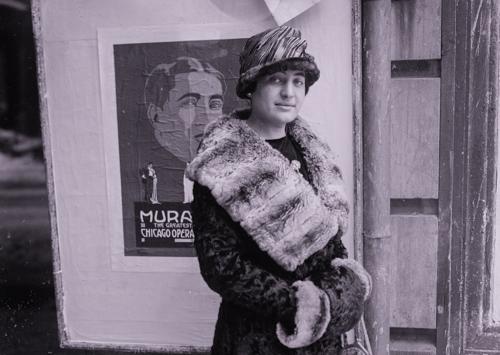
Rosa Raisa reflects on her career and her time in Chicago
Nov. 6, 1959 Renowned soprano, Madame Rosa Raisa discusses her career, early training, Chicago debuts, travels, teaching, and hobbies post opera.
-
Ronald Blythe discusses the village of Akenfield ; part 1
1968 Ninety five miles outside of London, Ronald Blythe has interviewed residents of the village of Akenfield for his next book, "Akenfield: A Portrait of an English Village." Blythe said what surprised him most of all was that newspapers and TV didn't have much effect on this little village. Blythe also learned that the village people would take part in political conversations with one another but they'd never let on as to which political party they were apart of.
-
Roddy Doyle discusses his book "Paddy Clark Ha Ha Ha" winner of England's The Man Booker Prize
Jan. 24, 1994 Studs interview with Roddy Doyle, Irish writer, and author of "Paddy Clark Ha Ha Ha." Doyle reads several times from the book. Studs also reads a few lines from the book. Doyle describes the book set in the Republic of Ireland in the 1960's that portrays the life of a small boy. He discusses the characters and themes of the book that relate to real-life. Doyle speaks about his own childhood that is not reflected in the book. Studs notes that the musical comedy-drama film "Commitments" is based off Doyle's book.
-
Robin Roberts discusses Irish street songs
1960 *Please note: some sections have been edited out from the original recording due to copyright considerations
-
Robert Morley discusses the youth and Kenneth Allsop discusses people from his book
1962 Robert Morley, stage and screen actor, starring in Ustinov's "Halfway Up the Tree," discusses education, technology and youth and the changes in the social makeup because of technology.
-
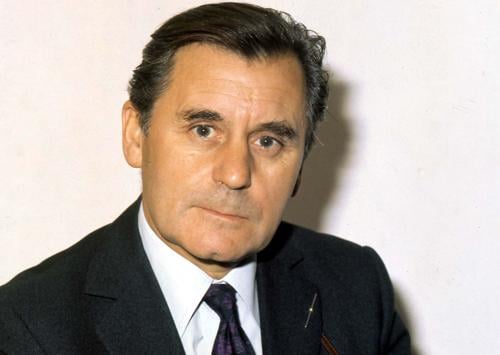
Richard Hoggart discusses culture and media
1968 Content Warning: This conversation includes racially and/or culturally derogatory language and/or negative depictions of Black and Indigenous people of color, women, and LGBTQI+ individuals. Rather than remove this content, we present it in the context of twentieth-century social history to acknowledge and learn from its impact and to inspire awareness and discussion. Richard Hoggart talks about the media and the cultural explosion. Hoggart explains that facts are not knowledge.
-
Ray Davies discusses the album "Arthur"
1969 Ray Davies of the English rock band, The Kinks, talks about the studio album, "Arthur (Or the Decline and Fall of the British Empire)". Davis reads lyrics from the songs, "Victoria," "Yes Sir, No Sir" and "Some Mother's Son".