Listen to New Voices on Studs Terkel our partnership with 826CHI-here! Read the Story


Showing 76 - 90 of 212 results
-

Mrs. Bailey Bishop and Edith Neisser talk about education of children, part 1
1965 Part 1 of a series sponsored by the national conference of Christians and Jews Titles discussed include "Rearing the Child of Good Will" and "The Child and the Changing World." Includes interviews of Mrs. Bailey Bishop and Edith Neisser. They discuss the importance of an open mind and accepting environment in education and at home, and how this helps the children to accept change as it happens. Excerpt of "Jimmy" discussing his feelings about school (unsure of record number the quote comes from).
-

Mothers discuss the hardships of living on welfare
1968 Five mothers from Chicago discuss the hardships of living in poverty and how little welfare actually helps with Studs Terkel.
-
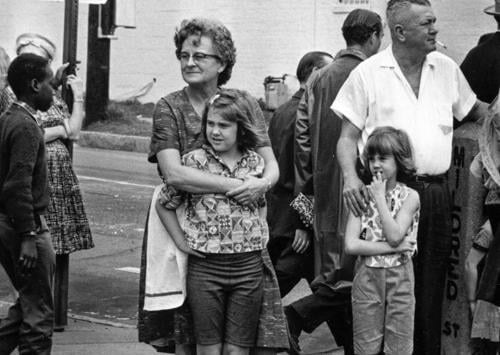
Molly a poor white woman talks with Studs Terkel
Apr. 9, 1965 Interviewing in Montgomery, Alabama, with Molly a poor white [part 7, tape 2 of 2]. She speaks of the culture and heritage of poor white families. She advocates for unity and leadership and sense of worth for poor whites. Some of the recording fades out and has some static that makes it hard to understand.
-
Mike Royko discusses his newspaper column
Jun. 17, 1966 Chicago humorist and newspaper columnist for the Chicago Daily News, the Chicago Sun-Times, and the Chicago Tribune, Mike Royko, goes over his past writings. Reflections include Royko's daily column, which covered race relations, politics, the Chicago Cubs, and life in Chicago. Together, Lois Baum and Studs Terkel read one of Royko's articles aloud.
-
Maya Angelou and Tom Wicker discuss life and culture in the U.S. South
Jul. 1, 1979 Poet Maya Angelou and journalist Tom Wicker discuss life in the U.S. South and how the region’s history has shaped its culture. Topics of discussion include social dynamics and race in the South, the concept of “home” and what it means to return to one’s roots, and religion in the South. Angelou reads excerpts of her poetry, including “Still I Rise” and “Phenomenal Woman,” and shares spiritual songs from her childhood.
-
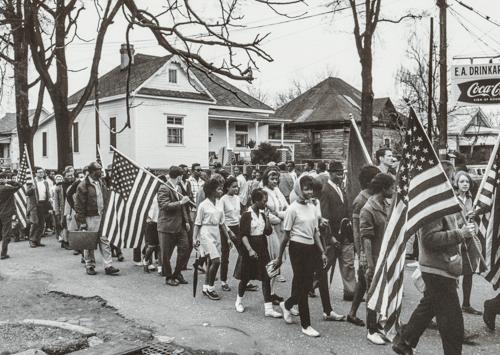
Margaret Long talks with Studs Terkel
1965 Margaret Long discusses the relationship between African Americans and white southerners that live in Montgomery, Alabama. She discusses the reactions to the changes in civil rights laws.
-
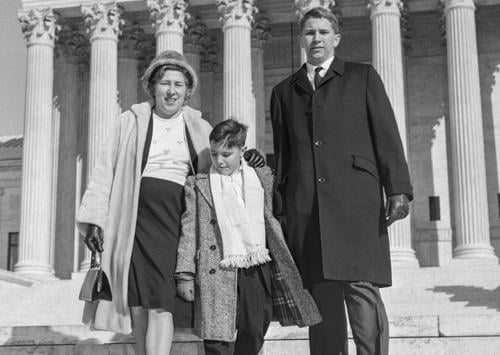
Madalyn Murray discusses her family history, feminism, and theology
Dec. 13, 1966 Madalyn Murray discusses her family history, feminism, and theology and how her experiences with those subjects have shaped her worldview.
-
Lucien Bodard discusses his book "Green Hell: Massacre of the Brazilian Indians" ; part 2
1972 French author Lucien Bodard discusses the genocide of indigenous tribes in Brazil, which dates back to the 16th century.
-
Lucien Bodard discusses his book "Green Hell: Massacre of the Brazilian Indians" ; part 1
1972 French author Lucien Bodard discusses his book which explores the genocide of indigenous tribes in Brazil, dating back to the 16th century. Content Warning: This conversation has the presence of outdated, biased, offensive language. Rather than remove this content, we present it in the context of twentieth-century social history to acknowledge and learn from its impact and to inspire awareness and discussion.
-
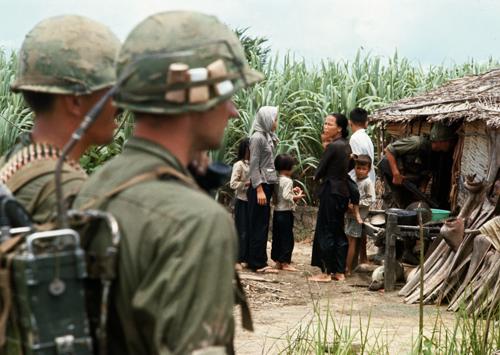
Louis Font and Ed Fox discuss their time in the military and the Vietnam War
Jun. 11, 1971 Louis Font and Ed Fox discuss their time in the military, the Vietnam War, military rituals, and West Point military academy. They express their anti-war sentiments and describe atrocities committed in Vietnam.
-
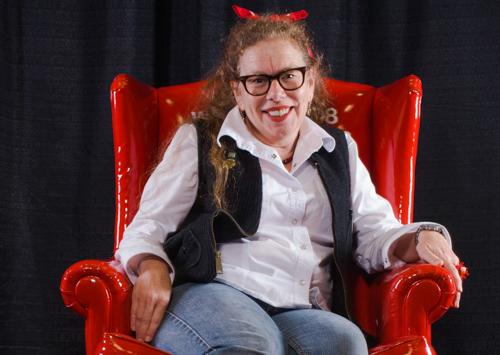
Lorell Wyatt, Glenda Starr-Kelly and Lynda Barry discuss "The Good Times are Killing Me"
Oct. 2, 1989 Best friends, white flight and racism are all apart of Lynda Barry's book, "The Good Times are Killing Me." Lorell Wyatt and Glenda Starr-Kelly reenact scenes from the play, which is playing at the Body Politic Theater. In the end, Barry's book showed power and privilege mattered more than friendship.
-
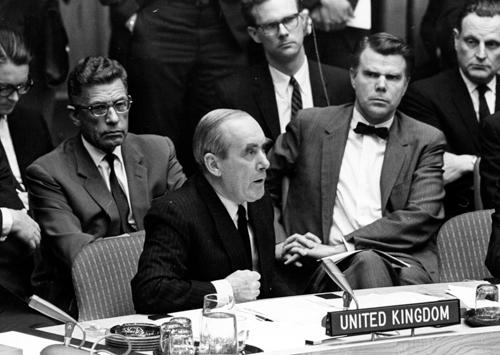
Lord Caradon discusses the United Nations
1967 Lord Caradon discusses the United Nations and its efforts.
-
Lily (Rose Rigsby) Lowell and two men from St. Timothy's talk with Studs Terkel
1966 Discussion of Division Street: America [Continuation of interview at the end of 1925659-3-1]
-
Lillian Smith discusses reactions to her books and writings
Lillian Smith explores the responses she received from her books that address racial prejudice and discrimination, especially in the south.
-
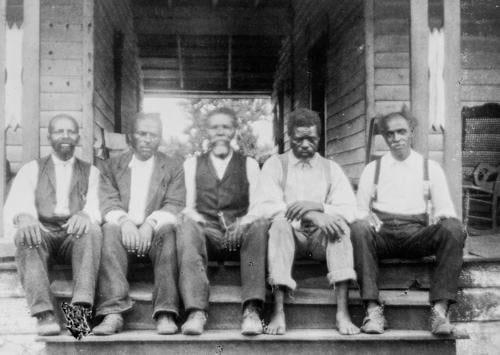
Lerone Bennett, Jr., John Hope Franklin and Hoyt Fuller discuss the book "Distortions of Negro History"
Jun. 3, 1965 Discussing "Distortions of Negro History" and interviewing Lerone Bennett, Jr., John Hope Franklin and Hoyt Fuller.