

-
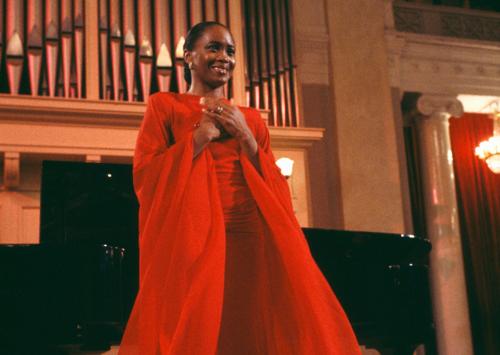
Barbara Hendricks discusses her career, music education, and opera
Apr. 3, 1978 Barbara Hendricks discusses her career, music education, and opera. Includes a clip of Jennie Tourel's voice.
-

Barbara Cook discusses her musical Broadway career and shift into opera with her soprano voice
Feb. 13, 1981 Studs interviews Barbara Cook about her work in musical theater from Broadway to opera. Cook speaks about the composers and writers she has worked with. She explains some of her songs such as “Ice Cream” and “Grass Harp” and describes her first Carnegie concert. Studs quotes Leonard Bernstein, who speaks to Cook’s talent. Cook describes how she went from Broadway to opera and shares how she chooses the songs that she performs. She discusses the art of her talent. The musical pieces are removed from this edited version of the original recording.
-
Barbara Carroll discusses her life as a jazz pianist
Jul. 12, 1989 Barbara Carroll demonstrates her piano skills, discusses her career as a singer and musician, and shares her passion for jazz music.
-
August Everding discusses his opera production of “Ring of the Nibelungen”
Mar. 14, 1996 German director August Everding discusses his career from theater to opera and shares themes from his current opera productions.
-
August Derleth discusses his writing influences ; part 2 | In the 2nd interview, Iris Ford discusses and demonstrates playing the sleigh bells
In conclusion, August Derleth, spoke of his biggest influences, Henry David Thoreau and Ralph Waldo Emerson. Derleth believed that one day there would be a renaissance of great literary authors. With regards to playing the sleigh bells in churches, Iris Ford says its like blending something ridiculous to the sublime. Ford, a self-taught sleigh bell player, plays for all types of religious orders. Because playing the music is for God, says Ford, it needs to be exceptional.
-
Astrid Varnay and Felicia Weathers discuss the opera “Salome”
1967 Opera singers Astrid Varnay and Felicia Weathers discuss the opera “Salome” and the complexity of its lead role with Studs Terkel. Recordings of Varnay singing a piece from the Flying Dutchman and Weathers singing a piece by Strauss are played. Paul Vodicka delivers a few messages toward the conclusion.
-
-
Art Hodes discusses his career as a jazz and blues pianist
Jun. 17, 1981 Art Hodes discusses his history and influences on his career as a jazz and blues pianist. He tells stories of musicians he has worked with and how he keeps his performances fresh after playing for so many years. Music by Art Hodes is played throughout: "Chimes Blues", "Tennessee Waltz", "Grandpa's Spells", "Just a Closer Walk with Thee","Cakewalkin' Babies from Home", "Blues 'N Booze", and "Riverside Blues".
-
Art Farmer, Ira Sullivan and Joe Segal discuss their upcoming Jazz Showcase concert
Apr. 16, 1992 With an upcoming show put together by Joe Segal, Art Farmer and Ira Sullivan talk about their jazz careers and early lives.
-
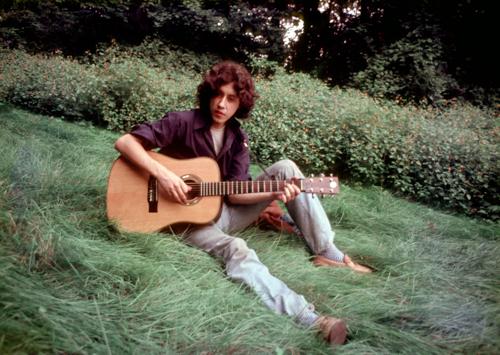
Arlo Guthrie discusses his music and influences
Jan. 23, 1971 In this interview with Terkel, folk singer-songwriter Arlo Guthrie talks about what influences his songwriting and the new definition of folk music. They touch on the shared experience of humanity, the role of the entertainer in society, and the older generation’s contributions to society. Guthrie expresses a desire to create a music “carnival” where performers and audience members both participate together. Guthrie also discusses how he began playing the banjo, and Studs comments on how Arlo has grown as a musician since his father's, Woody Guthrie, death.
-
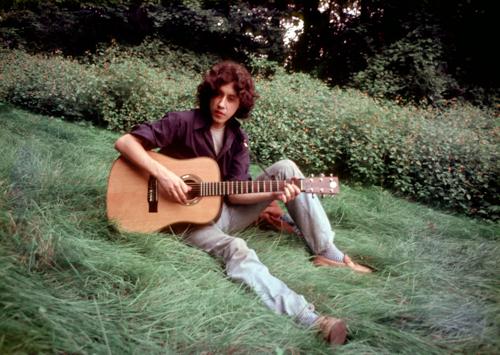
Arlo Guthrie discusses his career
Oct. 31, 1980 Arlo Guthrie discusses his approach to songwriting and how storytelling in song writing has changed. He also talks about what it's like to become known for performing works written by others. Arlo Guthrie's music is played and discussed throughout the interview: "Manzanillo Bay", "Week on the Rag", "Buffalo Skinners", "City of New Orleans", "Darkest Hour", "Massachusetts", and "Last Train to Glory". Music has been removed for copyright reasons.
-
Antonia Brico discusses her life as a conductor
Nov. 5, 1975 Antonia Brico discusses her life as a conductor, her education as a pianist, and her studies to become a conductor. Studs plays an excerpt of the 1974 documentary on Antonia Brico entitled “Antonia: A Portrait of the Woman.”*Please note: some sections have been edited out from the original recording due to copyright considerations
-
Anthony Davis discusses his opera "X The Life and Times of Malcolm X: an Opera in Three Acts"
Nov. 9, 1992 Composer and Pulitzer Prize winner for music Anthony Davis discusses his latest work focusing on the topic of the life and assassination of Malcolm X.
-
Anthony Braxton discusses his music and jazz
Aug. 24, 1989 Musician Anthony Braxton speaks with Studs Terkel about his music and the various musicians who have influenced him.
-
Anndrena Belcher discusses her life growing up in the Appalachian mountains of Kentucky
Aug. 20, 1991 Singer and storyteller Anndrena Belcher discusses her life growing up in the Appalachian mountains of Kentucky and the damaging effects industrialization and coal mining had on the economic, environmental, health, and social conditions of its communities. These experiences and stories serve as inspiration for Belcher as she travels across the country singing and storytelling to raise awareness about Appalachian life. Belcher sings Jean Ritchie’s 1972 song “West Virginia Mine Disaster”.