

-

Eliot Asinof discusses his book, "Eight Men Out: The Black Sox and the 1919 World Series
May. 5, 1963 Eliot Asinof, author, discusses his book, "Eight Men Out: The Black Sox and the 1919 World Series." Asinof talks about some of the Black Sox team members and their stories through the games, the sensation, and the trial. Early American baseball players such as Babe Ruth and Connie Mack and reporters such as Ring Larder are also mentioned.
-
Eddie Gallogo, Mimi, Fred in conversation with Studs Terkel
1980 Interviewing Eddie Gallogo, Mimi, and Fred.
-
Ed Sadlowski discusses unions
Feb. 11, 1992 Union official Ed Sadlowski, along with Joe Gutierrez, discusses the changing culture and values of union workers, their families, and management with Studs Terkel.
-
Dr. Quentin Young discusses his work at Cook County Hospital
Aug. 20, 1974 Dr. Young talks about his policy about addictive medications at Cook County Hospital, and about the financially driven connections between pharmaceutical companies and doctors.
-
-
Dr. Edward Twitchell Hall discusses urban life
Jan. 23, 1970 High rise buildings being built because of growing populations are detrimental to our environment, explains Dr. Edward Twitchell Hall. Problems include the lack of oxygen and the lack of greenery said Hall. The number of automobiles on the road and the large size of the cars is also problematic,
-
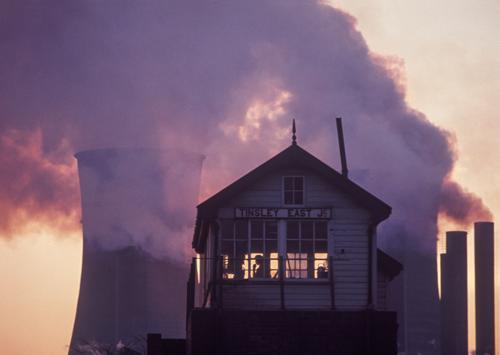
Dr. Bertram Carnow, and Joan and Bob Ericksen discuss health hazards in work environments
Jun. 5, 1974 Discussing health hazards in work environments and environmental pollution. Interviewing Dr. Bertram Carnow and Bob and Joan Ericksen.
-
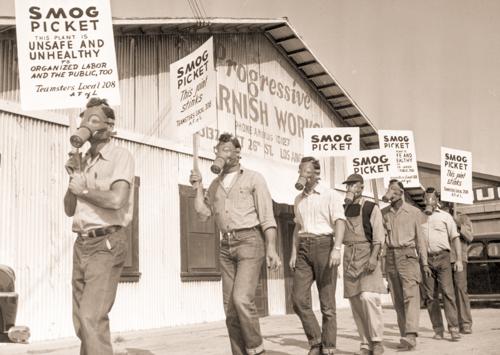
Dr. Bertram Carnow and Bob and Joan Ericksen discuss occupational illnesses and pollution
Nov. 21, 1974 Both Bob and Joan Ericksen ask why is a school being built not only by two highways but right next door to a paint factory. They contend that the paint fumes can't be good for anyone to breath. Instead of asking their patients where they work, Dr. Carnow believes more doctors need to ask, "What do you do?", to determine if they're working with any hazardous materials that may harm their health.
-
Dr. Alan Solem and Dr. John Engel discuss their upcoming research trip to Australia
Jun. 9, 1976 Dr. Alan Solem, a malacologist, and Dr. John Engle, a bryologist, from the Field Museum discuss a research trip they plan to take to Australia. The two doctors also discuss climate and ecology in the Americas and in Australia. Dr. Solem will be researching land snails and Dr. Engel moss and liverworts.
-
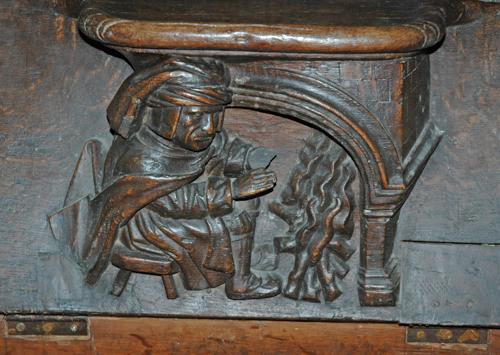
Dorothy and Henry Kraus discuss the book "The Hidden World of Misericords."
Feb. 10, 1976 Dorothy and Henry Kraus describe how they discovered an entire European collection of church-located woodcarvings depicting a wide variety of scenes crafted by local artisans. Hundreds of years of political, religious, and social events shaped the portrayals, and they explore many of the illustrations in their book, focusing on the themes of labor, animals, and religion. They marvel at the skill and craftsmanship and observe that the works can be a rich source of primary research material for modern scholars.
-
Don Gold discusses his book "Bellevue"
Aug. 15, 1975 Don Gold, writer and editor, discusses his book "Bellevue: A Documentary of a Large Metropolitan Hospital." He recounts his time spent following doctors and nurses in Bellevue in New York City and discusses how healthcare has become depersonalized. The conversation involves patients who are dealing with mental illnesses, abortions, attempted suicide and the terminally ill. The interview includes reading of passages from his book.
-
Discussing the young vs. adults with teenagers at Saint Timothy Elementary School
1970 Studs Terkel presents a roundtable conversation with children ranging from ages 13-17. They discuss relationships with their family members, other students, growing up in Chicago, and race relations in the U.S.
-
Discussing the Prologue Alternative High School with Chris Daniels, Tanya Jones, Donna Brogan and Lenore Schuman.
Nov. 17, 1986 Prologue Alternative High School is a not-for-profit community-based organization that operates three alternative high schools in Chicago.
-
Discussing the Looking Glass Theatre Co.'s production of "The Jungle," with cast members
Nov. 1, 1990 members of the Lookingglass Theatre Company
-
Discussing the law and police, especially the selection of Chicago's new police chief
Apr. 13, 1978 Discussing the law and police, especially the selection of Chicago's new police chief, and interviewing a panel on the topic: Chicago Alderman Martin Oberman, Police official Howard Saffold, and social scientist William A. Geller.