Listen to New Voices on Studs Terkel our partnership with 826CHI-here! Read the Story


Showing 181 - 195 of 271 results
-

Gilbert Moses discusses "Waiting for Godot" and the Free Southern Theatre with Studs Terkel ; part 1
Aug. 10, 1966 Studs interviews Gilbert Moses about the Free Southern Theatre that performed throughout Mississippi depicting the lives of Southern blacks. Moses describes the audiences and their reactions to the plays and their own participation in acting out their lives.
-
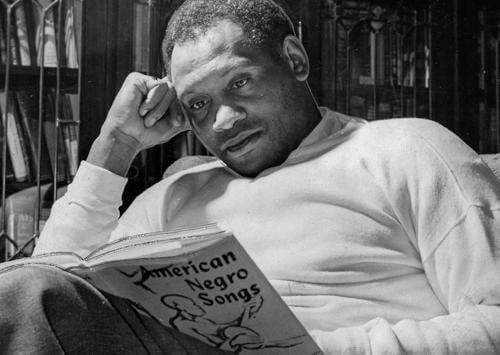
Gathering of friends discussing Paul Robeson
May. 8, 1970 Recorded live on Chicago's South Side. Robeson is ill at the time of recording. Speakers: Earl Dickerson, Etta Moten Barnett, Judge Sidney Jones, J. Mayo "Ink" Williams, Joan Brown (possibly Abena Joan Brown), Charles Hamilton, Margaret Burroughs, [John Gray's sister], [Stevens?]
-
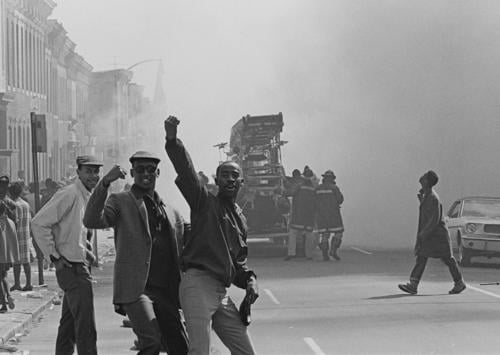
Garrett O'Connor discusses "Reflections in the rubble."
Feb. 1, 1970 Psychiatrist Dr. Garrett O'Connor discusses his article "Reflections in the rubble: some thoughts in the aftermath of civil disorder." Topics of conversation include his experiences working in community clinics with blue collar workers and African Americans; the ways that poverty, racism, and classism are maintained by the American economy; the Martin Luther King, Jr.
-
-
Fleming Brown plays the banjo and discusses his career with Studs Terkel
Jan. 12, 1982 Fleming Brown, banjo player, discusses the influences Uncle Dave Macon, Pete Seeger, The Almanac Singers, and his teacher, Doc Hopkins had on him. He and Terkel also discuss the influence of WLS's Barn Dance radio show in Chicago and the Grand Ole Opry's WSM had on folk music. Fleming plays "Uncle Buddy" by Arthur Smith, to open and close the show. He also discusses the themes of Appalachian music such as lost love, mystery and murder, and plays examples for the audience.
-
Erroll Garner discusses music and his career
Jul. 20, 1962 Erroll Garner, jazz pianist, talks about his music style and his career. He explains how he taught himself to play and how he creates new music. He continues to explain his unique style and how it compares to other jazz musicians.
-
Elma Stuckey reads from and discusses her poetry
Mar. 10, 1961 Stuckey talks about her childhood in Memphis, writing "in the dialect", and reads "Rigamarole", "Daylight Savings Time", "Defense", "Old Man" and "Old King Cotton".
-
Elma Stuckey reads from and discusses her poetry
Mar. 10, 1961 Stuckey talks about her childhood in Memphis, writing "in the dialect", and reads "Rigamarole", "Daylight Savings Time", "Defense", "Old Man" and "Old King Cotton."*Please note: some sections have been edited out from the original recording due to copyright considerations
-
-
Ella Jenkins discusses her music and her influences
Dec. 7, 1963 Using a Trobriand drum and harmonica, Ella Jenkins plays examples of call and response music with Studs. A few of her popular songs play between their discussion. Ella explains how her music came to be from the Chicago neighborhood streets with influences from her Uncle and other blues and folk musicians. Songs played include "Tahboo," "Miss Mary Mack," "You'll Sing a Song and I'll Sing a Song," "Come Dance By the Ocean," and "Dulce." Songs have been removed due to copyright restrictions.
-
Ella Jenkins discusses call and response music
Jul. 17, 1993 Using past recordings, Ella discusses how she works with children to help them find their rhythms using call and response music and percussion. She explains the West African and Latin music influences within her own music. Music played includes Jenkins' own music such as "Miss Mary Mack," "Tahboo," and "Where Has My Little Dog Gone?" She also plays song written by Carl Orff and performed by the Chorus of the Children's Opera Group, such s "Pat-a-Cake," and "Name-Calling." Untitled West African music is also played. Music has been removed due to copyright restrictions.
-
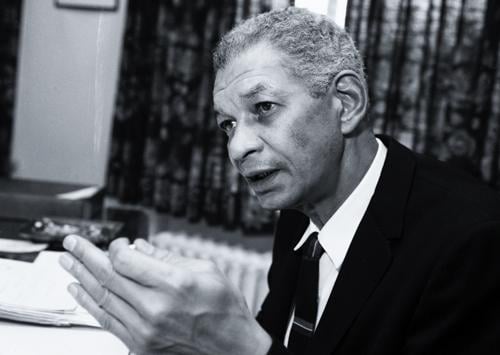
Edwin C. Berry (Bill) discusses civil rights. Part 2
1968 Interviewing civil rights activist Edwin C. "Bill" Berry. Part 2
-
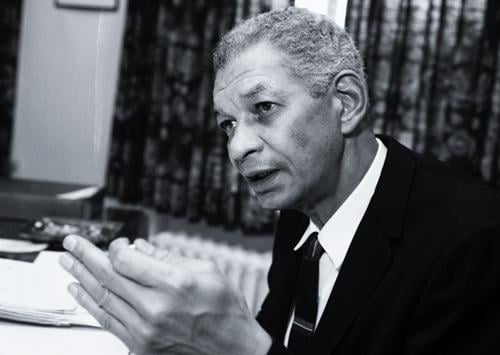
Edwin C. Berry (Bill) discusses civil rights. Part 1
1968 Interviewing civil rights activist Edwin C. "Bill" Berry. Part 1.
-
Edward T. Hall discusses his book "Beyond Culture"
Apr. 28, 1976 Edward T. Hall talks about his beliefs on culture. The discussion includes how cultures differ between countries with a focus on Vietnam. They also discuss the cultural differences in America. Hall also explores how technologies, such as computers and vehicles change culture and cause people to become more like the machine itself. The end of the interview includes a short reading of "Beyond Culture".
-
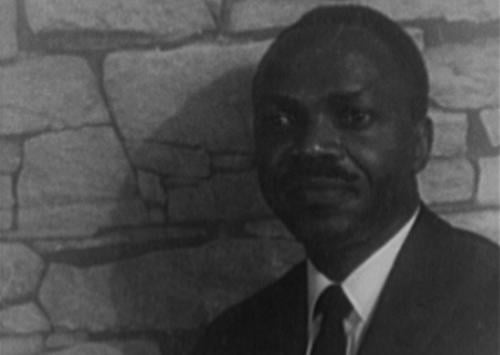
E.R. Braithwaite discusses his career and the book "Reluctant Neighbors"
1972 E.R. Braithwaite, Guyanese-born British-American novelist, writer, teacher and diplomat discusses his writing and career. The interview opens with Mr. Braithwaite, reading from his book "Reluctant neighbors".