Listen to New Voices on Studs Terkel our partnership with 826CHI-here! Read the Story


Showing 106 - 117 of 117 results
-

-
Charles L. Mee discusses his book "Meeting at Potsdam"
Apr. 10, 1975 The Big Three leaders - Winston Churchill, Joseph Stalin and Harry Truman - are among the main topics of Charles L. Mee's book, "Meeting at Potsdam." It was the ending stages of World War II and as Mee explains, the meeting at Postdam was really a peace conference. The beginning of this recording includes an excerpt of a speech by Churchill.*Please note: some sections have been edited out from the original recording due to copyright considerations
-
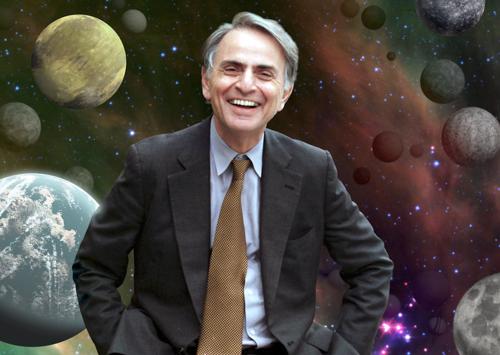
Carl Sagan and Ann Druyan discuss their book "Shadows of Forgotten Ancestors"
Oct. 5, 1992 Evolution and the future of the human race are among topics in Carl Sagan's and Ann Druyan's book, "Shadows of Forgotten Ancestors: A Search for Who We Are." Included is an excerpt of the astronomer Harlow Shapley speaking at the beginning. Carl Sagan also reads an excerpt from the book at the end.
-
Bruno Bettelheim discusses his book"The informed heart: Autonomy in a mass age" ; part 2
Apr. 1, 1961 Bruno Bettelheim discusses his book "The informed heart: Autonomy in a mass age". The book chronicles his time in concentration camps in Germany during World War II and discusses the dangers of the advancement of technology and how a totalitarian government impacts the personality of its' people.
-
Bruno Bettelheim discusses his book "The Informed Heart: Autonomy in a mass age" ; part 1
Apr. 1, 1961 Bruno Bettelheim discusses his book "The informed heart: Autonomy in a mass age". The book chronicles his time in concentration camps in Germany during World War II and discusses the dangers of the advancement of technology and how a totalitarian government impacts the personality of its' people.
-
Blanche Wiesen Cook discusses her book, "The Declassified Eisenhower: A Divided Legacy of Peace and Political Warfare"
Aug. 6, 1981 Blanche Wiesen Cook, historian, professor, and author discusses her book, "The Declassified Eisenhower," and explains Eisenhower's peace and war beliefs. She describes his beliefs at the end of World War II and his relationships with fellow generals and leaders.
-
-
Allan Ryan discusses his book "Quiet Neighbors: Prosecuting Nazi War Criminals in America"
Jan. 29, 1985 Allan A. Ryan, former Director of the Department of Justice's Office of Special Investigations, speaks about his book on the investigation and prosecution of Nazi war criminals in the United States. Ryan says that after WWII, Nazi collaborators and war criminals fled prosecution under the guise of fleeing the threat of communism. Ryan worked on the investigations of prominent war criminals like Ivan the Terrible and John Demjanjuk, and he discusses how he successfully worked with the Soviet Union to obtain crucial evidence located within the USSR for these trials.
-
Allan Berube discusses his book "Coming Out Under Fire"
Apr. 30, 1990 The military's attitude toward gay people is what's covered in Allan Berube's book, "Coming Out Under Fire: The History of Gay Men and Women in World War II." For some people, hiding their true identity was necessary because they would have been discharged by the military.
-
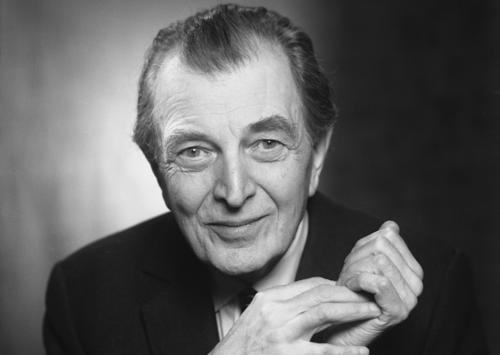
Alexander Tcherepnin discusses his career
Nov. 10, 1959 Russian composer Alexander Tcherepnin discusses his early upbringing, training, and composing bagatelles in Saint Petersburg, as well as the influence of his composer father, Benois family relatives, Russian/Asian/European cultural influence, electronic music.
-
A conversation with Samuel Pisar
Aug. 1, 1980 The Polish-American lawyer, author, and Holocaust survivor reflects on his time in concentration camps during World War II, as depicted in his memoir, Of Blood and Hope.*Please note: some sections have been edited out from the original recording due to copyright considerations
-
A conversation with David Schoenbrun
Jun. 19, 1980 The American broadcast journalist and World War II Army correspondent talks about his book, Soldiers of the Night: The Story of the French Resistance, and the experience of reuniting with some of the people he knew during the war.*Please note: some sections have been edited out from the original recording due to copyright considerations