

-
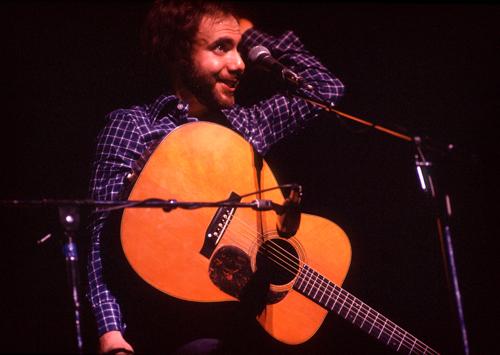
Steve Goodman discusses his album "Words We Can Dance To"
Apr. 30, 1976 Studs Terkel presents a “musical portrait” of Steve Goodman with the musician joining him in the studio to discuss, listen to, and play songs from his album “Words We Can Dance To.” Goodman begins by performing the blues song “Glory of Love,” and Terkel plays a clip from Big Bill Broonzy’s rendition of the song; Goodman cites Big Bill as one of his many influences. Goodman also plays an old jazz song called “When the Red, Red Robin,” with Terkel connecting that song to his first memories of jazz.
-

Singer-songwriters Florence Reece and Pete Seeger discuss writing songs
Mar. 17, 1978 Known for their songs about the working class, both Florence Reece and Pete Seeger talk about how they come about writing the lyrics to songs. Seeger says unbeknownst to them, anyone can write a song. Included within this interview, Seeger plays the banjo and Reece sings a song.
-
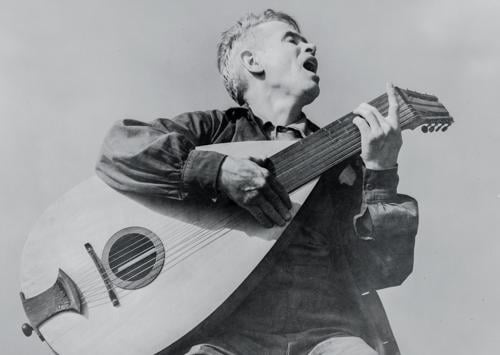
John Jacob Niles discusses his music
May. 10, 1957 The dulcimer is not only a musical instrument that John Jacob Niles plays, but he builds them too. Playing some scales, Niles gives a brief demonstration of the dulcimer, Niles explained people often requested he play his love songs. Niles believed love is something that is easily relatable to many people.
-
-
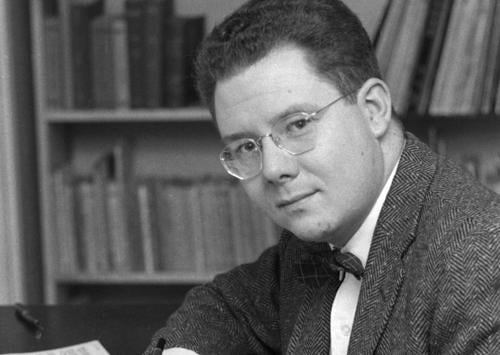
Easley Blackwood, Midwestern composer, pianist and educator at University of Chicago, discusses his music
Mar. 1, 1961 Studs and Mr. Blackwood discuss his musical theory of tonal composition, and Mr. Blackwood plays several excerpts of his piece "Chamber Work for Fourteen Winds" on the piano.
-
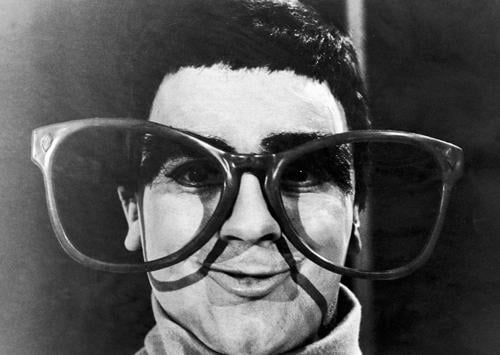
Dudley Moore discusses his background and influences
Jan. 6, 1963 When he was a child, Dudley Moore first wanted to study the violin. He's grateful to his mother for insisting that he first study the piano. Moore said his influences include Bach and Garner. Unlike other musicians, Moore's main focus has always been on the beat, both the cultivation and the presence of the beat of a song and of music.
-
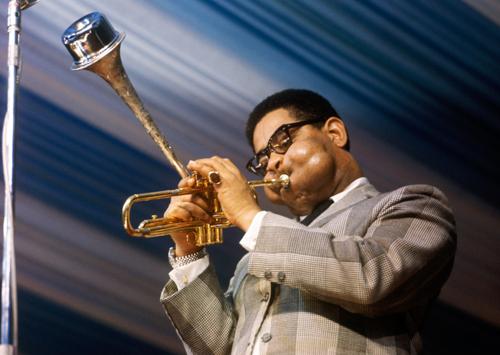
Dizzy Gillespie discusses the art of jazz ; part 2
Mar. 30, 1961 Part 2 of the program continues with Dizzy Gillespie discovering the following: his jazz style; his interactions with other musicians; and his latin musical influences. The following Gillespie musical excerpts are played: "Tin Tin Deo"; "La Lorraine"; and an musical piece (with an undisclosed title) is played to end the program.
-
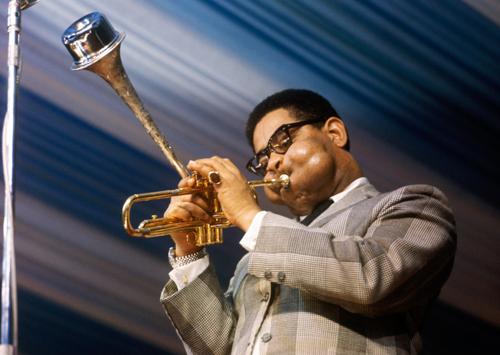
Dizzy Gillespie discusses the art of jazz ; part 1
Mar. 30, 1961 Part 1 of this program begins with Studs Terkel reading an excerpt from the book "Giants of Jazz" , which describes Dizzy Gillespie's early life. Gillespie discusses the following: the state of jazz; his fellow musicians; jazz contributors; jazz fundamentals; and his tours abroad. Gillespie's "Groovin' High" is played towards the end of this part of the program.
-
David Amram and Steve Goodman discuss folk music
Jan. 3, 1976 David Amram and Steve Goodman, composers and performers of popular music and folk music, discuss writing and creating music together.
-
Bob Gibson and Tom Paxton discuss their careers and music
Feb. 21, 1980 Interviewing folk singers-songwriters Bob Gibson and Tom Paxton.
-
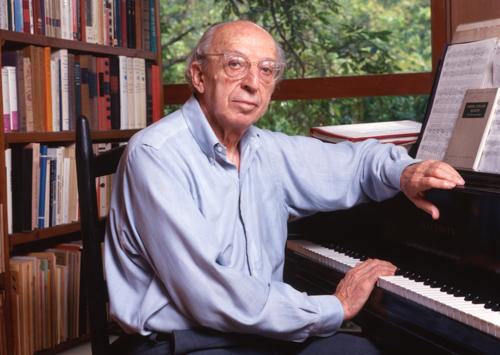
Aaron Copland discusses his career
Mar. 10, 1961 Aaron Copland discusses his music, his colleagues, contemporaries, musicians, and composers.