

-
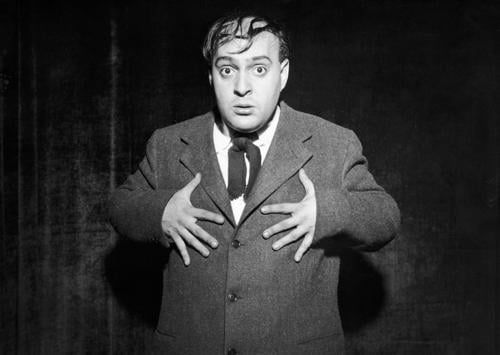
Zero Mostel discusses the play "Rhinoceros" and acting theory ; part 2
Aug. 14, 1961 Zero Mostel talks about acting theory, French and American theater differences, and the reflection of art in society.
-
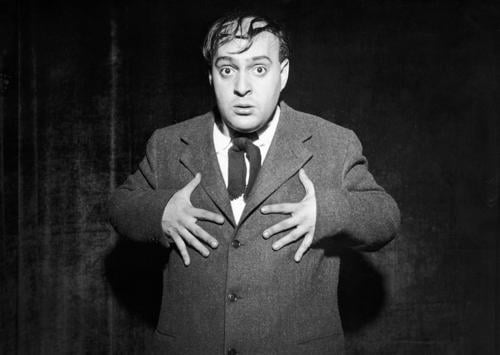
Zero Mostel discusses the play "Rhinoceros" and acting theory ; part 1
Aug. 14, 1961 Zero Mostel talks about acting theory, French and American theater differences, and the reflection of art in society.
-

Studs Terkel discusses the global status of theater with Croatian director Vlado Habunek
Apr. 25, 1962 Vlado Habunek, the Director of The Croatian National Theater, also a teacher at the University of Zagreb and board member for the Debrovnik Summer Festival discusses how all arts are seeking new revelations with Studs Terkel. Terkel asks Habunek to compare American Actors with Croatian actors because they are subsidized by the state. He sees Croatian actors as too secure and admires the ambition of American actors. The fact that theater reflects life and life is difficult begins a discussion on the status of theater today.
-
Rich Bailey and Rick Cluchey discuss Samuel Beckett and theater
Jul. 11, 1975 Rich Bailey and Rick Cluchey discuss performing Endgame by Samuel Beckett and Beckett's influence on their careers. Duplicate to file ID 18646. This recording does not include the musical tribute.
-
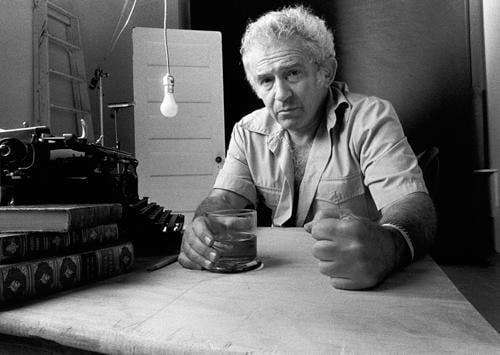
Norman Mailer discusses his writing, literature, and American life
Mar. 17, 1960 Norman Mailer discusses his writing, literary criticism, and American life. Other topics of conversation include Mailer’s thoughts on “affirmative” literary works, apathy and a lack of passion in modern life, beat writers and their reception in the United States, and many of his contemporary writers.
-
Micheál Mac Liammóir discusses his show "The Importance of Being Oscar"; part 2
Nov. 17, 1961 Micheál Mac Liammóir, actor and playwright, discusses his upcoming performance based on the writings of Irish playwright and poet Oscar Wilde.
-
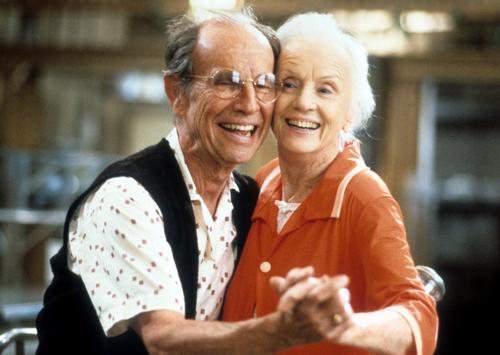
Jessica Tandy and Hume Cronyn discuss acting
May. 13, 1975 In addition to talking about Noel Coward's plays, both Jessica Tandy and Hume Cronyn talk about the difficulties in acting. Getting rid of her accent is one of Tandy's hurdles. Cronyn revealed being able to give the same performance night after night and get the same reaction from audiences was his difficulty.
-
Del Close discusses hipsters and comedy
May. 15, 1970 Del Close discusses hipsters, what is hip, and comedy. Includes a clip of Del Close and his colleague John Brent from the beatnik satire "How to Speak Hip".
-
Alan Schneider discusses Samuel Beckett and Edward Albee
Stage director Alan Schneider talks about his work with playwrights, Samuel Beckett and Edward Albee. Plays include "Waiting for Godot," "A Delicate Balance," and "Whose Afraid of Virginia Woolf?"