Listen to New Voices on Studs Terkel our partnership with 826CHI-here! Read the Story


-
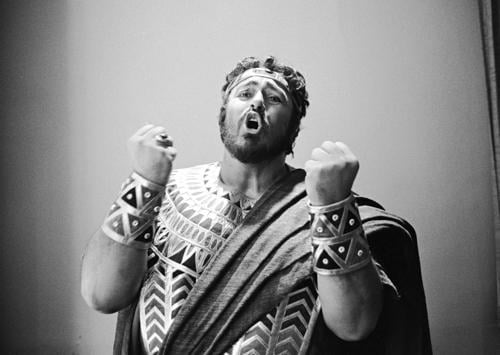
Luciano Pavarotti discusses some of his traits
Dec. 9, 1976 Being a Pisces, Pavarotti says he's always looking for perfection. He admits the biggest critic of his work is himself. Pavarotti said that he loves the charm of the French language and he likes to learn new languages. He talks of recording some music in Russian. Being able to reach those high C notes, Pavarotti says, is the most athletic part of his voice.
-
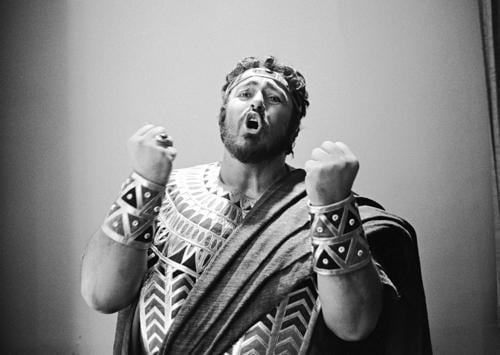
Luciano Pavarotti discusses singing for the Pope and other audiences
Oct. 8, 1979 Pavarotti recalls his meeting with the Pope was very special. Singing "Ave Maria" for him was like God lit up, explained Pavarotti. There are more younger people in the audience, said Pavarotti. They're very surprised that opera's so beautiful, as they believed it was an old fashioned thing.
-
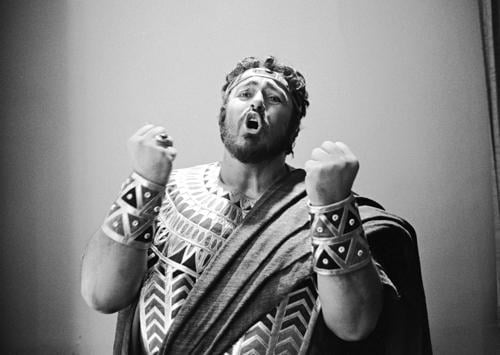
Luciano Pavarotti discusses performing
Nov. 20, 1975 Instead of being called "The King of the High C's," Pavarotti would rather be known as "The King of the Bel Canto". Pavarotti said he didn't have the greatest of enthusiasm prior to performing his first concert. However, it ended up being a phenomenal experience, he said. A great singer, Pavarotti added, is very human and romantic. One needs to feel what one's singing and lastly, one must be a beautiful person inside.
-
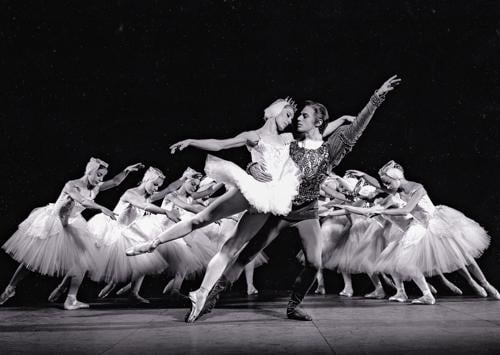
Lucia Chase discusses the American Ballet Theater's Swan Lake at the Civic Opera House
Feb. 15, 1967 Lucia Chase discusses the rehearsal and performance of Swan Lake of the American Ballet Theater at the Civic Opera House. Includes Peter Ilich Tschaikovsky music from Swan Lake.
-

-
-
Louise Erdrich, Michael Dorris in conversation with Studs Terkel
May. 4, 1991 Discussing the book "The Crown of Columbus" (published by HarperCollins) with the authors Louise Erdrich and Michael Dorris.
-
Louise Erdrich reads from and discusses her book "Tales of Burning Love"
May. 10, 1996 Love, lust, romance and heartbreak are all apart of Louise Erdrich's book, "Tales of Burning Love". Erdrich talks about the five woman in her book, who have all married Jack Mauser. The ladies all end up stuck together in a blizzard, and it's there that they all talk to one another about their love and heartache, Jack Mauser.
-
Louise Erdrich in conversation with Studs Terkel
Mar. 30, 1987 Discussing the book "The Beet Queen: A Novel" (published by Holt) with the author Louise Erdrich.
-
Louis Untermeyer reads from and discusses "The Library of Great American Writing" ; part 1
Dec. 31, 1959 In his book, "The Library of Great American Writing," Louis Untermeyer points out great writers and their works. Untermeyer believed that there was no one great piece of literature, but rather many great works from ordinary people, as well. For instance, Untermeyer explained, that when Abraham Lincoln wrote the Gettysburg Address, Lincoln didn't realize he was writing a great piece of literature.
-

Louis Font and Ed Fox discuss their time in the military and the Vietnam War
Jun. 11, 1971 Louis Font and Ed Fox discuss their time in the military, the Vietnam War, military rituals, and West Point military academy. They express their anti-war sentiments and describe atrocities committed in Vietnam.
-
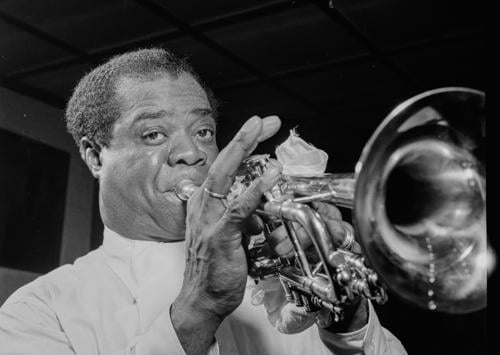
Louis Armstrong discusses music
Jun. 24, 1962 In a nightclub in Chicago, at two in the morning and after a performance, Louis Armstrong talks about his music stylings. Notes are good to learn the tune, says Armstrong, but it's all about the phrasing. Armstrong explained, it's up to you to express yourself. Armstrong shared the one piece of advice that had always stuck with him. King Oliver told Armstrong not to worry about the notes but rather to put some lead into the song.
-
Lou Conte, Shirley Mordine, and Nana Solbrig discuss dance in Chicago
Jun. 4, 1979 Studs Terkel interviews Chicago choreographers Lou Conte, Shirley Mordine, and Nana Solbrig.
-
Lotte Lehmann talks with Studs Terkel
Apr. 14, 1960 Lotte Lehmann discusses her retirement from opera and how she knew when to stop singing concerts.
-
Lotte Lehmann discusses her opera roles and how opera has changed ; part 2
May. 9, 1967 Lotte Lehmann, legendary opera soprano, discusses her book "Five Operas and Richard Strauss" about her portrayals of famous roles. Interviewing Lotte Lehmann, recorded at the Orrington Hotel, Evanston (including excerpt from master class at Northwestern and recording excerpts from Walkure with Melchior).