

-

Simone Signoret, Simone de Beauvoir, Francoise Rosay in conversation with Studs Terkel
Jul. 7, 1989 Excerpts of interviews with Simone Signoret (actress and author), Simone de Beauvoir (author), and Francoise Rosay (actress).
-

Simone de Beauvoir discusses the art of writing
May. 4, 1960 Studs Terkel interviews writer and artist Simone de Beauvoir at her home in Paris, France, where they discuss her family history, early writing career and artistic influences, individualism, and the creative commitment required to be a successful writer.
-
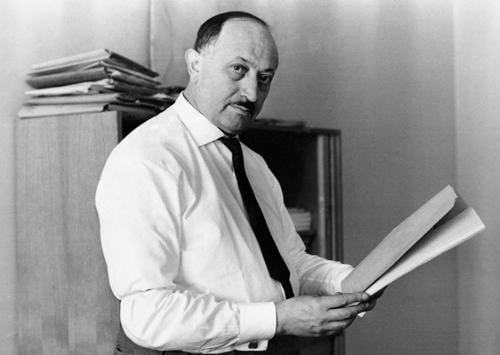
Simon Wiesenthal discusses World War II and The Sunflower
Mar. 12, 1976 Simon Wiesenthal discusses his advocacy work after surviving the Holocaust and the publication of The Sunflower in 1969.
-
Simon Estes, bass baritone opera singer, discusses his life and career in classical opera
Feb. 10, 1982 Simon Estes, bass-baritone opera singer, is in Chicago for four performances of George Fredric Handel's Oratorio "Saul." He talks with Studs about growing up, his education, and his career in classical music and opera. The following songs were removed due to copyright restrictions. "Symphony No.
-
Sidney Shapiro discusses life in China
Sep. 21, 1987 Studs Terkel speaks with translator and lawyer Sidney Shapiro about Shapiro’s life in China and what life was like there before and after the Communist Revolution. An audio clip is played of Dr. George Hatem discussing his experiences of being a doctor in China during the Long March.
-

Sidney Poitier talks with Studs Terkel about his most recent film "The Defiant Ones"
Oct. 1, 1959 Bahamian actor Sidney Poitier talks with Studs Terkel about his most recent film "The Defiant Ones" and how racial type-casting for typically white roles works in Hollywood films. Besides being an actor, he is also a film director, author, and diplomat.
-

Sidney Poitier discusses his book "This Life"
Jun. 13, 1980 Actor and director Sidney Poitier offers his reflections about his autobiographical memoir, "This Life". Poitier explains how he never had ambitions to be an actor and yet he stumbled into acting when looking through the clasisfied ads. There's a story about his agent trying to settle a negotiation on Poitier's behalf. Poitier's agent told the others involved that Poitier was offered a film in Hollywood. Believing it was a cheap ploy, the agent was told to tell Poitier to go onto Hollywood, and the rest is history for Sidney Poitier.
-
-
Sidney Lens in conversation with Studs Terkel
Feb. 15, 1983 Discussing the book "The Maginot Line Syndrome: America's Hopeless Foreign Policy" (published by Ballinger) with the author, labor activists, and historian Sidney Lens.
-
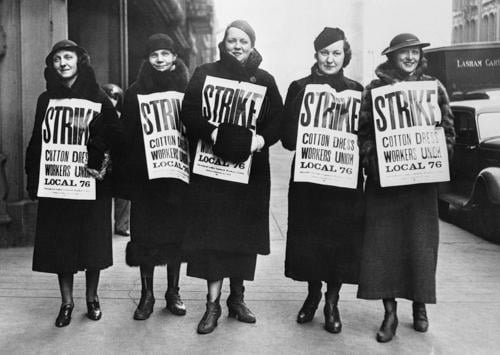
Sidney Lens discusses his autobiography "Unrepentant Radical" and labor organizing
May. 29, 1980 Discussing the biography, "Unrepentant Radical: An American Activist's Account of Five Turbulent Decades," with the author Sidney Lens.
-
Sidney Blumenthal discusses his book "The Permanent Campaign: Inside the World of Elite Political Operatives"
Jun. 25, 1980 Author Sidney Blumenthal discusses his book "The Permanent Campaign," touching on topics including political consultants, modern campaigning, and the election process.
-
Sid Caesar and Imogene Coca talk about comedy and their work together
Sep. 26, 1990 Comedians Sid Caesar and Imogene Coca talk about their work together. They explore the meaning and emotions behind comedy, improv, and pantomime and how the audience is involved with their shows. Sid recalls several of their skits and does a few examples of his dialects.
-
Sibyl Moholy-Nagy discusses the art of her husband, Laszlo Moholy-Nagy
Jun. 10, 1969 On the day before the opening at the Museum of Contemporary Art, Sibyl Moholy-Nagy, talks about the art of her husband, Laszlo Moholy-Nagy. Mrs. Moholy-Nagy said her husband believed in self discipline and the sacrifice to learn. In addition, she explained that her husband didn't believe in focusing on one type of material for his art but rather he worked with different types of materials like oil on canvas, steel, and plexiglass.
-
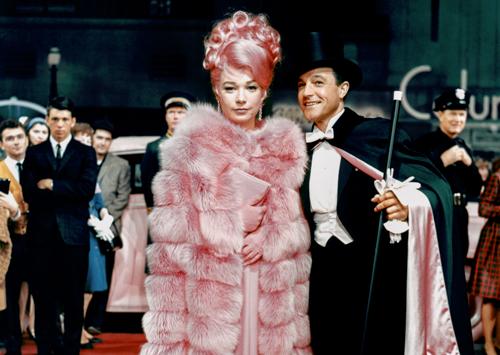
Shirley MacLaine discusses her travels to China
Mar. 28, 1975 Shirley MacLaine discusses her travels to China. Includes passages from her book "You Can Get There From Here." Includes Chinese children chanting. Includes a clip from an interview with Dr. Joshua Horn.
-
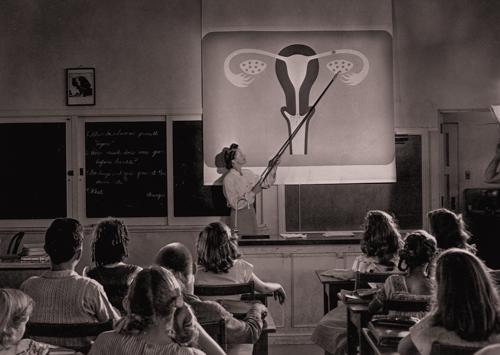
Shirley Bryant, Nancy Fisher, and Nicole Mills discuss sex education
Mar. 7, 1974 Shirley Bryant, Nancy Fisher, and Nicole Mills discuss how a new sex education based in the importance of feelings and the use of contraception.