

-

Janet Stevenson discusses her book "Sisters and Brothers"
Jul. 7, 1968 If her novel's any good, says Janet Stevenson, it's a place where the reader goes inside, living in the skins of both and black and white people, in another era, with their continuous problems. Sarah and Angelina Grimke faced a dilemma that their brother Henry had placed upon the family. If the sisters acknowledged their brother's family, then they would be acknowledging publicly that their brother had become a brut and a sinner by marrying a black woman.
-
Janet Beller discusses her work "Street People"
Aug. 1, 1980 Interviewing author-photographer of "Street People" Janet Beller.
-
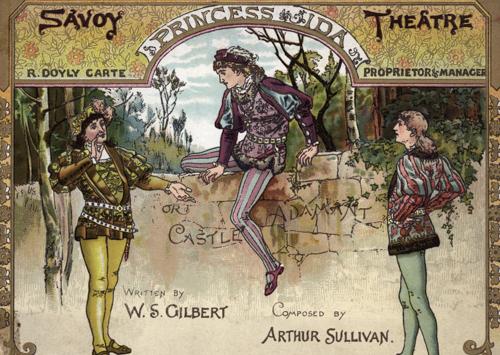
Jane Stedman discusses the works of Gilbert and Sullivan ; part 1
Jan. 25, 1965 Jane Stedman discusses the lives of W.S. Gilbert and Arthur Sullivan and the works they created jointly as Gilbert and Sullivan with emphasis on their comic opera "Utopia, Limited."
-
Jane Stedman discusses story and music collecting ; part 2
Jul. 29, 1961 *Please note: some sections have been edited out from the original recording due to copyright considerations
-
Jane Stedman discusses story and music collecting ; part 1
Jul. 29, 1961 *Please note: some sections have been edited out from the original recording due to copyright considerations
-
Jane Leavy discusses her career and her book "Squeeze Play"
Jun. 7, 1990 In Jane Leavy’s book, “Squeeze Play,” similar to her main character, Leavy recalled her 1st time in a men’s locker room, covering a New York Knicks game. Luckily for Leavy, a player by the name of Phil Jackson, helped her feel comfortable being with the other players. Leavy explained that at that encounter, it was Jackson, who fed her the story that she needed. The theme of the book throughout is fragility. Some players, Leavy explained, felt more comfortable talking about their infertility issues with Leavy, a woman sportswriter.
-
Jane Kennedy talks with Studs Terkel
Oct. 14, 1971 Jane Kennedy talks about her political views and her view of society as a whole. She also discusses her experience in an all women's prison and how the prison system dehumanizes the inmates.
-
-
Jane Kennedy talks about her anti-war activism, crimes and experience in prison
Nov. 6, 1975 Jane Kennedy (part of the group Beaver 55) went to prison for the scrambling of magnetic tapes at the Dow Chemical napalm producing plant in Midland, Michigan, and, a week later, the destruction of draft files in Indianapolis, Indiana. Both companies were profited from the Vietnam War.
-
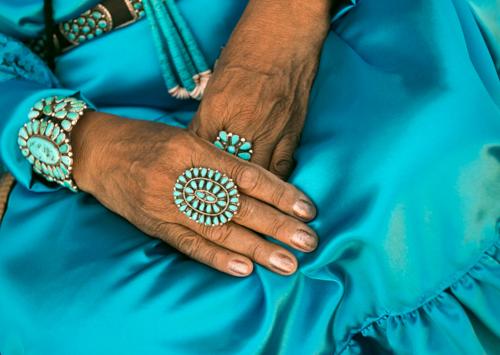
Jane B. Katz talks about her book "I Am the Fire of Time: The Voices of Native American Women"
Jun. 26, 1978 Jane B. Katz discusses the sources for her book and the plight of Native Americans; the second half of the program includes poetry.
-
Jan Peerce discusses his career
May. 15, 1961 Jan Peerce discusses his career as a tenor, both in opera and on Broadway. He discusses his vocal technique and trends in sacred music.
-
Jan Myrdal in conversation with Studs Terkel
Apr. 4, 1992 Discussing the books "Childhood" and "The Confession of a Disloyal European" (both published by Lakeview Press) with the author Jan Myrdal.
-
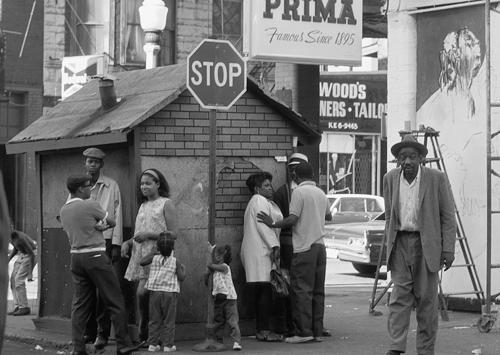
Jan Hestor, Curtiss Brooks and Dr. Philip Hauser discuss racial discrimination in Chicago ; part 5
1965 The discussion of discrimination in metropolitan Chicago continues with Jan Hestor, Curtiss Brooks and Dr. Philip Hauser talking about bigotry, prejudices, open occupancy and education. Included in this part of the interview is an excerpt of 17 year-old Jimmy talking about how his grandmother would rather work than be on welfare.
-
Jan Bauer, Mary Garrity, Ann Griffin, and Harry Wells discuss Chicago law system and community groups
Mar. 13, 1978 Jan Bauer, Mary Garrity, Ann Griffin and Harry Wells discuss crime, poverty, law, and community relations. They each come from different community programs which are trying to make Chicago safer for everyone.
-