Listen to New Voices on Studs Terkel our partnership with 826CHI-here! Read the Story


Showing 31 - 45 of 45 results
-

-
-
Gilbert Moses discusses The Free Southern Theater and his play "Blues for Mister Charlie" with Studs Terkel ; part 2
Aug. 10, 1966 Studs interviews Gilbert Moses about his play, "Blues for Mister Charlie" and The Free Southern Theater. They discuss a variety of plays that include, "White America," "Roots," and "Blues of Mister Charlie."
-
Gilbert Moses discusses "Waiting for Godot" and the Free Southern Theatre with Studs Terkel ; part 1
Aug. 10, 1966 Studs interviews Gilbert Moses about the Free Southern Theatre that performed throughout Mississippi depicting the lives of Southern blacks. Moses describes the audiences and their reactions to the plays and their own participation in acting out their lives.
-
Frederick Ritter discusses and preforms classic Austrian Vienna Volks Theatre music
May. 23, 1963 Frederick Ritter, professor, preforms musical numbers from Austria. He also discusses the history of baroque theater and Volk's Theatre, along with Viennese culture. He is joined by Sabine Roupp, Joseph Gardner and David Miller on piano during the performances. Ritter also compares Bertolt Brecht with earlier writers, Johann Nestroy and Ferdinand Raimund. Selected pieces includes works by Mozart and Ferdinand Raymond and Johann Nestroy.
-
-
Discussing the character of Edith Ann with creators Lily Tomlin and Jane Wagner
Oct. 20, 1994 The comedic creative force of Lily Tomlin and comedy writer Jane Wagner discuss the character of Edith Ann as well as the bag lady, Trudy, upon the release of their book "Edith Ann: My Life So Far".* Please note: some sections have been edited out from the original recording due to copyright considerations.
-
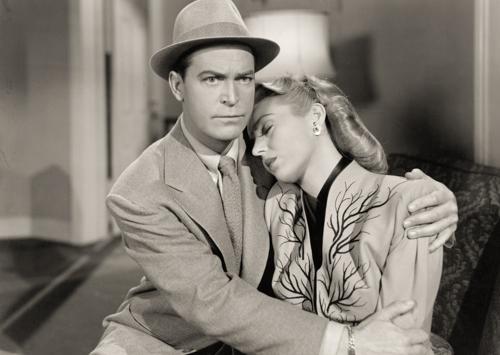
Chester Morris discusses theater and his Broadway production of "Advise and Consent" with Studs Terkel
Feb. 27, 1962 An interview with Chester Morris about his role in "Advise and Consent." They discuss theater and stage life for actors. Morris mentions numerous actors and actresses and stage productions. He discusses the business, status, and economics of acting.
-
Carol Channing discusses her perspective about being a musical and comedic performer
Sep. 19, 1961 In this interview Carol Channing discusses her work as artist: comedic timing; live/club performing; her connection with the audience as a performer; theater as a "spiritual world"; the concept of "opening nights"; creation of Mehitabel's (alley cat) voice; "Lorelei", and her ability deliver comedic characterizations and impersonations (such as Marlene Dietrich, Sophie Tucker, and Cecilia Sisson). Included in this interview are excerpts from the "Little Girl from Little Rock", "Madeline and Other Bemelmans", "Shinbone Alley".
-
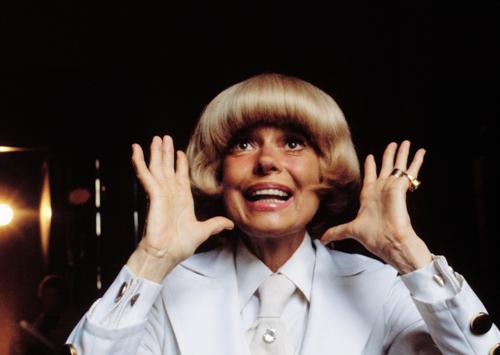
Carol Channing discusses her film and stage career
Jan. 28, 1972 This interview features singer and actress Carol Channing which discusses: the film "Shinbone Alley"; production of "Lorelei"; her grandmother; and her career. It begins with a musical excerpt from the animated movie "Shinbone Alley" featuring Channing singing as the alley cat Mehitabel. It also includes excerpts from the Broadway production called "Lorelei", examples of her character acting/comedy (as Cecilia Sisson), her reading of "Madeline and other Bemelmans", and a portion of the song "So Long Dearie" from the play "Hello, Dolly!".
-
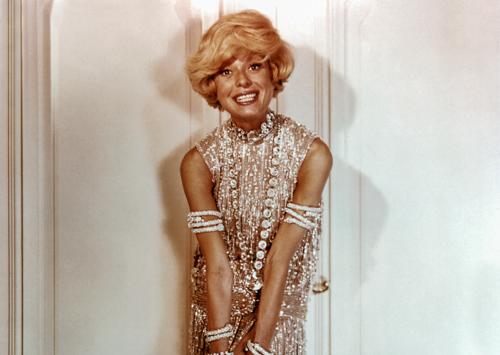
Carol Channing discusses her career
May. 11, 1959 Carol Channing discusses the following with Studs Terkel: her early career; her growth as actor/comedian; her approach to her work; her performance in "Lorelei" as Lorelei; her performance in "Wonderful Town" as Ruth; the job of the understudy; and breaking performance barriers and type casting.
-
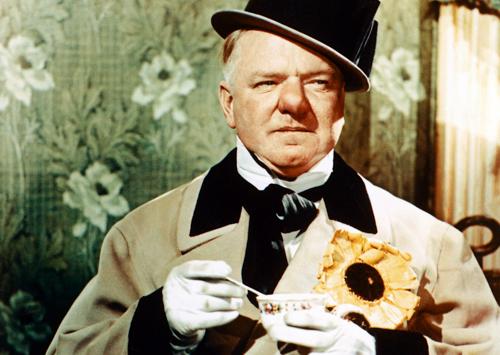
Carlotta Monti discusses W.C. Fields and her book "W.C. Fields & Me"
Jun. 7, 1971 Carlotta Monti discusses W.C. Fields and her book "W.C. Fields & Me".
-
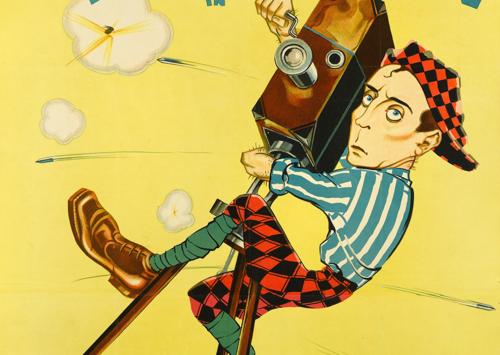
Buster Keaton discusses the release of "When Comedy Was King"
Sep. 5, 1960 Silent film pioneer Buster Keaton discusses his career following the release of "When Comedy Was King," a compilation of some classic shorts by Keaton, Charlie Chaplin, Harold Lloyd, and others. Keaton reveals how they shot the early silent films, generated material and gags, how they planned big chase scenes, the resurging European interest in silent classics, and more. Studs asks Keaton about the stylistic differences between him and Chaplin, whether he would recreate silent films, and how they compare to today's film-making.
-
Alan Stone, Steven Larson and Judith Erickson, members of the Chicago Opera Theater, discuss the opera "Regina"
Mar. 29, 1982 Studs interviews Alan Stone, Steven Larson, and Judith Erickson about the opera, "Regina," playing at the Chicago Opera Theater. They describe the variety of music and dances in the opera. Stone, Larson, and Erickson name the cast and their roles and describe the characters. Each share how they came to be in theater. Stone explains how the company started. Larson describes the orchestra and the chorus. Erickson reads some of the lyrics of the aria, "The Best Thing of All," at the end of act one. Stone, Larson, and Erickson read various lines from the opera.
-
A conversation with Frank Farrell and Sheldon Patinkin
May. 17, 1983 Studs talks with the lead actor and director of The Eleventh Street Theater's stage production of Kaufman and Hart's musical, I'd Rather Be Right. Farrell offers some dramatic readings from his role as President Franklin D. Roosevelt. This program also includes clips of FDR himself speaking.*Please note: some sections have been edited out from the original recording due to copyright considerations