Listen to New Voices on Studs Terkel our partnership with 826CHI-here! Read the Story


Showing 196 - 205 of 205 results
-
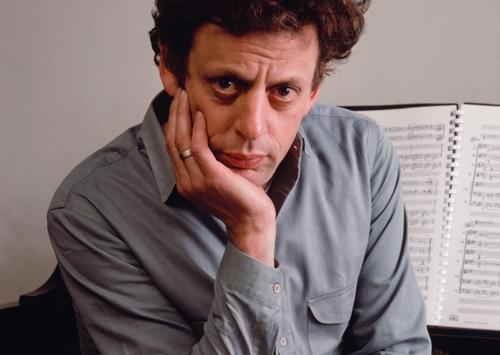
Allen Ginsberg and Philip Glass talk about their collaborations
Apr. 16, 1990 Discussing the opera "Hydrogen Jukebox," with poet Allen Ginsberg and composer Philip Glass.
-
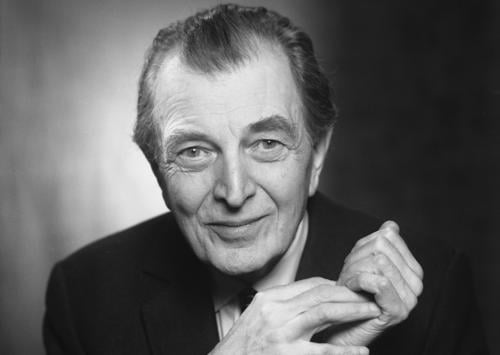
Alexander Tcherepnin discusses his childhood and career as a composer
Mar. 8, 1977 Studs interview with Alexander Tcherepnin about his compositions for opera and a variety of instrumentals. Tcherepnin shares his childhood in Saint Petersburg born into a family with a rich musical background. He also shares his opinion about how Hitler affected the opera in Europe. This edited version does not include the musical recordings played in the original version.
-
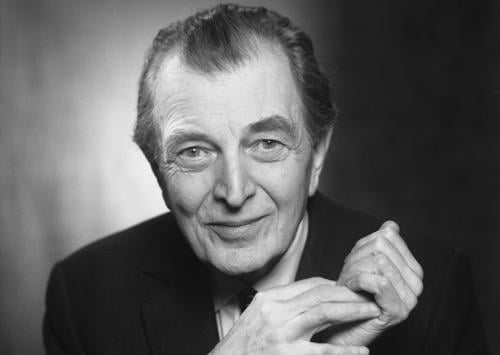
Alexander Tcherepnin discusses his career ; part 2
May. 21, 1962 Russian composer Alexander Tcherepnin discusses his travels to China & Japan and their influence on his music, composing for non-traditional instruments, electronic music, teaching young composers, and his "Concerto No. 2".
-
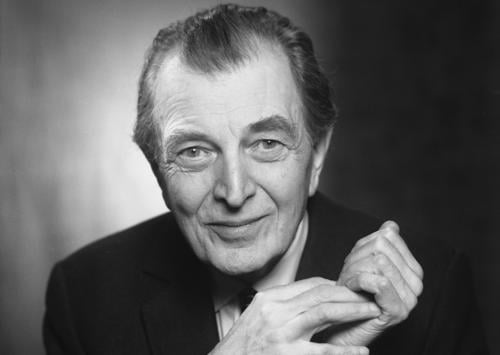
Alexander Tcherepnin discusses his career ; part 1
May. 21, 1962 Russian composer Alexander Tcherepnin discusses his early upbringing, training, and composing in Saint Petersburg, as well as the influence of his composer father, Benois family relatives, and associates of Ballet russes.
-
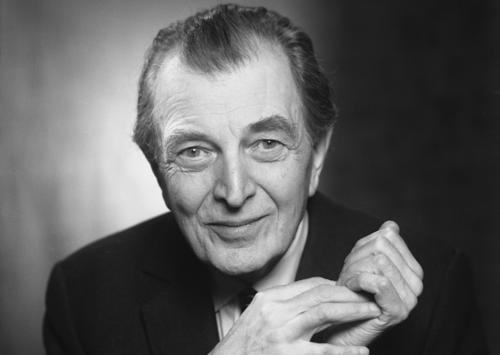
Alexander Tcherepnin discusses his career
Nov. 10, 1959 Russian composer Alexander Tcherepnin discusses his early upbringing, training, and composing bagatelles in Saint Petersburg, as well as the influence of his composer father, Benois family relatives, Russian/Asian/European cultural influence, electronic music.
-

Alexander Frey in conversation with Studs Terkel
Feb. 3, 1997 Interviewing organist, pianist and conductor Alexander Frey.
-
Alan Stone, Steven Larson and Judith Erickson, members of the Chicago Opera Theater, discuss the opera "Regina"
Mar. 29, 1982 Studs interviews Alan Stone, Steven Larson, and Judith Erickson about the opera, "Regina," playing at the Chicago Opera Theater. They describe the variety of music and dances in the opera. Stone, Larson, and Erickson name the cast and their roles and describe the characters. Each share how they came to be in theater. Stone explains how the company started. Larson describes the orchestra and the chorus. Erickson reads some of the lyrics of the aria, "The Best Thing of All," at the end of act one. Stone, Larson, and Erickson read various lines from the opera.
-
Abraham Chasins discusses the vibrant and creative life of Leopold Stokowski and his book, “Leopold Stokowski: A Profile”
Nov. 8, 1979 Studs interviews Abraham Chasins about his book, “Leopold Stokowski: A Profile.” They discuss Stokowski’s life in great detail as they discuss different parts of the book. Chasins describes the amazing career and life of Stokowsky who revolutionized the symphony orchestra. Studs reads a few excerpts from the book. Chasins shares some background behind some of the stories from his book. Studs and Chasins discuss the various orchestras Stokowsky worked with. Chasins notes that Stokowski taught his audience how to behave and never used a baton when he conducted.
-
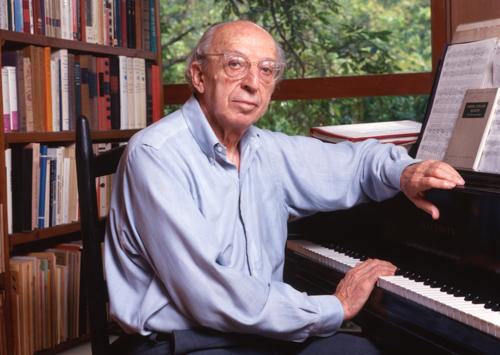
Aaron Copland discusses his career
Mar. 10, 1961 Aaron Copland discusses his music, his colleagues, contemporaries, musicians, and composers.
-
A conversation with Michael Tilson Thomas and his father Ted Thomas (Tomashefsky)
Oct. 8, 1986 The American conductor/pianist and his poet/painter father join Studs to talk about their artistic lineage, from Yiddish theater to WPA-era theater.*Please note: some sections have been edited out from the original recording due to copyright considerations