Listen to New Voices on Studs Terkel our partnership with 826CHI-here! Read the Story


Showing 151 - 165 of 205 results
-
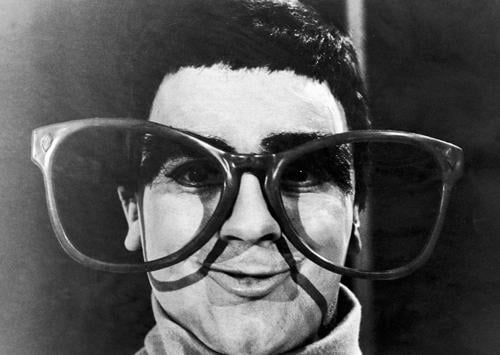
Dudley Moore discusses his background and influences
Jan. 6, 1963 When he was a child, Dudley Moore first wanted to study the violin. He's grateful to his mother for insisting that he first study the piano. Moore said his influences include Bach and Garner. Unlike other musicians, Moore's main focus has always been on the beat, both the cultivation and the presence of the beat of a song and of music.
-

-
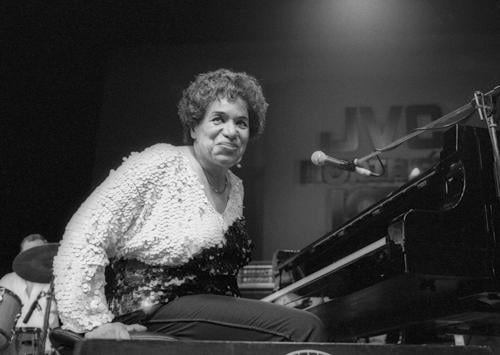
Dorothy Donegan in conversation with Studs Terkel
Dec. 27, 1994 Interviewing jazz pianist and composer Dorothy Donegan.
-
Donald Luce discusses the problems in Vietnam
Donald Luce had been living & helping the people of South Vietnam through the International Voluntary Service. Luce believed it was important to come back to the states to talk about the problems in Vietnam. Luce said the Vietnamese government could not provide its people waste disposal, electricity and running water. Luce went to Congress to voice his concerns. It was at the State Department who didn't seem to care all to much.
-
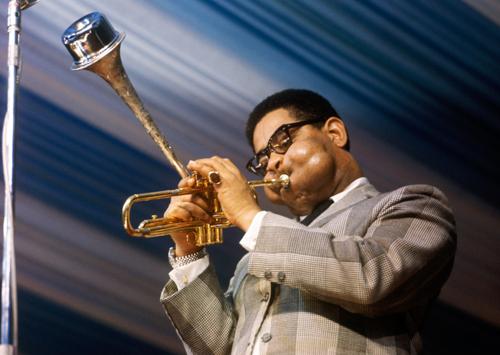
Dizzy Gillespie discusses the art of jazz ; part 2
Mar. 30, 1961 Part 2 of the program continues with Dizzy Gillespie discovering the following: his jazz style; his interactions with other musicians; and his latin musical influences. The following Gillespie musical excerpts are played: "Tin Tin Deo"; "La Lorraine"; and an musical piece (with an undisclosed title) is played to end the program.
-
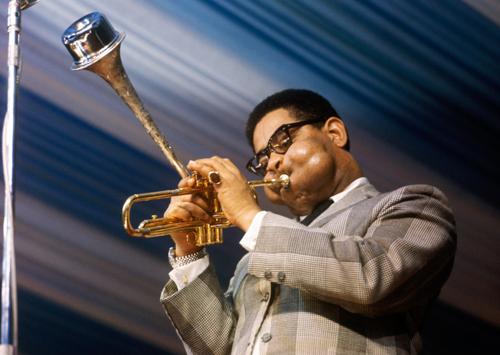
Dizzy Gillespie discusses the art of jazz ; part 1
Mar. 30, 1961 Part 1 of this program begins with Studs Terkel reading an excerpt from the book "Giants of Jazz" , which describes Dizzy Gillespie's early life. Gillespie discusses the following: the state of jazz; his fellow musicians; jazz contributors; jazz fundamentals; and his tours abroad. Gillespie's "Groovin' High" is played towards the end of this part of the program.
-
-
-
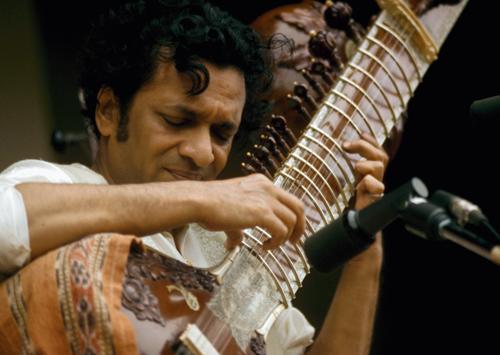
Discussing the techniques, philosophy, histories, and instruments of classical Indian music and interviewing Ravi Shankar
Oct. 26, 1961 Discussing the techniques, philosophy, histories, and instruments of classical Indian music with Ravi Shankar. Includes Ravi Shankar playing the sitar, tambura, and tabla among other instruments.
-
-
-
-
-
-
Discussing Soviet avant garde music with Joel Sachs
May. 12, 1982 Joel Sachs discusses Russian avant-garde music and Soviet Union artists.