

-

William Stringfellow discusses politics, race, and theology
Interviewing William Stringfellow, American lawyer and activist. He discusses various topics including religion, social issues, and activism. Includes an interview with Cora Weiss. Content Warning: This conversation has the presence of outdated, biased, offensive language. Rather than remove this content, we present it in the context of twentieth-century social history to acknowledge and learn from its impact and to inspire awareness and discussion.
-
Vine Deloria discusses his book "American Indians, American Justice"
Nov. 17, 1983 Buffalo, land, barbed wire, treaties and legal cases are all topics of Vine Deloria's book, "American Indians, American Justice". A lawyer and a Sioux Indian himself, Deloria points out a tricky question for the courts -- What constitutes Indian country?
-
Tom Geoghegan discusses his book "Which Side Are You On?"
Aug. 28, 1991 The book, "Which Side Are You On?: Trying to be for Labor When it's Flat on its Back," is Tom Geoghegan's story of working with the labor unions in the 1960's and the 1970's. Goeghegan said the current standard of living is flat or falling which wasn't the case when organized labor unions were present in the 50's and 60's. We're all in trouble, all of us, if labor declines, explained Goeghegan.
-
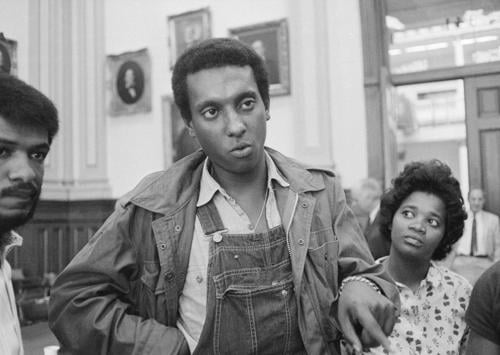
The Student Non-violent Coordinating Committee discusses the civil rights movement, protests, and jail with Studs Terkel
Sep. 1962 Terkel talks with Student Non-violent Coordinating Committee about the civil rights movement, protests, and jail.
-
Terkel comments and presents his program on capital punishment
Apr. 3, 1978 Terkel Interviews Michael I Rothstein (a lawyer) and Franklin E. Zimring (a law professor) on the subject of capital punishment.
-

Studs Terkel discusses television and advertising with Nicholas Johnson of the FCC
Apr. 3, 1970 Johnson had recently released a book, "How to Talk Back to Your Television Set". Topics of conversation include the history and role of advertising in television and radio programming, and how advertising revenue influences the media. Emphasis is placed on cigarette advertising, which was particularly prevalent and controversial at the time of this interview.
-
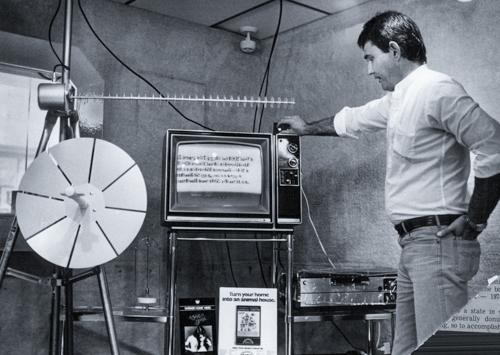
Studs Terkel discusses commercial and public broadcasting Nicholas Johnson of the FCC
Apr. 1, 1971 Studs Terkel discusses television and advertising with Nicholas Johnson, Commissioner at the Federal Communications Commission. Johnson had recently delivered a speech in Dubuque, IA about possibilities for the future of broadcasting, and had released a book a year prior, "How to Talk Back to Your Television Set". Topics of conversation include censorship, the role of advertising and corporate sponsorship of radio and television, and the hope and promise of public television.
-
Roger Wilkins discusses his book "A Man's Life"
Aug. 30, 1982 Discussing the book "A man's life" with the author Roger Wilkins.
-
Ramsey Clark discusses his book “Crime in America”
Oct. 14, 1970 Interviewing author and former Attorney General Ramsey Clark. He discusses law, crime, and violence in the United States. Content Warning: This conversation includes racially and/or culturally derogatory language and/or negative depictions of Black and Indigenous people of color, women, and LGBTQI+ individuals. Rather than remove this content, we present it in the context of twentieth-century social history to acknowledge and learn from its impact and to inspire awareness and discussion.
-
Ramsey Clark discusses crime and the poor in America
According to former United States States Attorney, Ramsey Clark, crimes of the poor and violence among the poor are due to their social situations like where they live, where they work, and their lack of education. Seeing the affluent and wealthy people around them add insult to injury, explained Clark. A passage from Clark's book, "Crime in America" is also read by Clark.
-
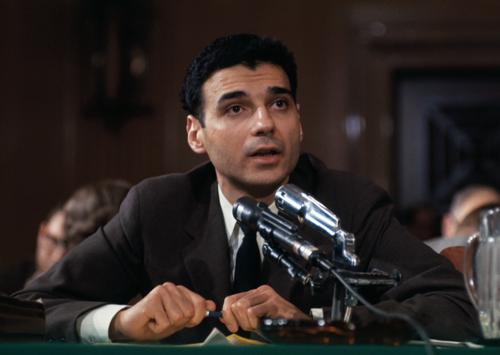
Ralph Nader in conversation with Studs Terkel
Jun. 25, 1986 Discussing the book "The Big Boys: Power and Position in American Business" (published by Pantheon) with the author, lawyer and consumer advocate Ralph Nader.
-
-
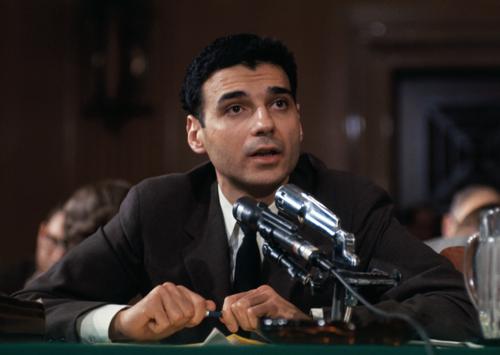
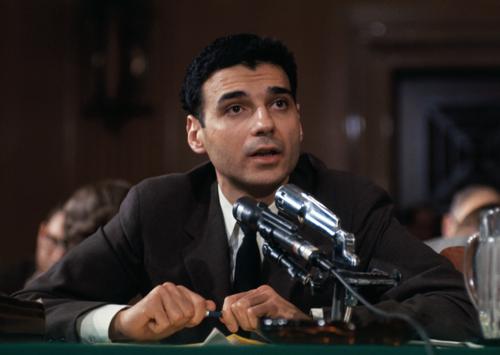
Ralph Nader discusses corporate violence and power
Jun. 23, 1968 Discussing corporate violence and power with lawyer Ralph Nader.
-
Priscilla McDougall and Teri Teper discuss names and the Center for Woman's Own Name.
Feb. 17, 1975 Reasons why a woman would want to change her last name are discussed with Priscilla McDougall and Teri Teper. Establising a professional identity and establishing one's own line of credit are among some reasons. The ladies also explain that a woman is not rejecting a name but rather choosing her own identity.*Please note: some sections have been edited out from the original recording due to copyright considerations
-
Philip M. Stern discusses his new book "Lawyers on Trial"
Dec. 5, 1980 After enrolling in law school at age 49, Stern breaks down the double-standards and monopoly power of the legal profession.