Listen to New Voices on Studs Terkel our partnership with 826CHI-here! Read the Story


Showing 76 - 86 of 86 results
-
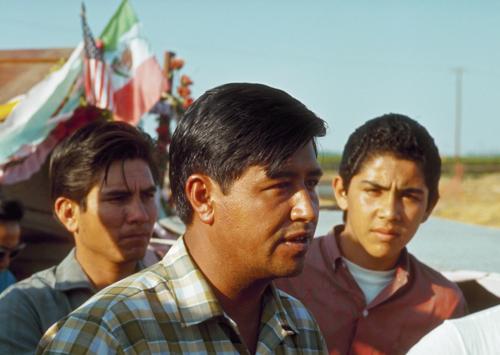
Cesar Chavez discusses farm labor rights
1967 Cesar Chavez discusses the United Farm Workers effort to gain rights for farm laborers and his childhood that led him to become a labor rights activist.
-

Carl and Hallie Foster discuss living their lives in Newburgh, Indiana
1970 Carl and Hallie Foster talk about the good and the bad of Newburgh, Indiana. Having been a welder for most of his life, Carl Foster, reflects on the time he got sick while on the job. He had gotten cancer and had to be fed intravenously for six months. While he was out sick, the company did not compensate him. When asked about his hobby of growing banana trees, a true calm and passion takes over his personality, as noticed by Studs Terkel.
-
Bill Adelman, Paul Avrich, Carolyn Ashbaugh, and Bill Neebe discuss the Haymarket Square Riot
May. 2, 1986 Commemorating the centennial of the Haymarket Square Riot, or Haymarket Affair, are authors and historians Bill Adelman, Paul Avrich, Carolyn Ashbaugh, and the grandson of Haymarket defendant Oscar Neebe, Bill Neebe. The interveiwees create a timeline of the events leading up to the Haymarket Riot including the German immigrants living situations, unions and strikes, police brutality and corruption. The group also lays out the events from May 1st to May 5th and then the following corrupt trials.
-
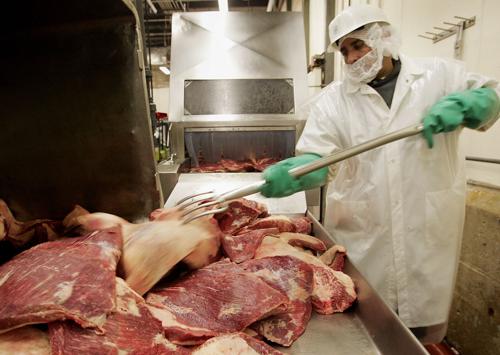
Barbara Kopple discusses her documentary "American Dream"
Mar. 20, 1992 Academy Award winning documentarian Barbara Kopple talks with Studs about her documentary "American Dream" and the battle fought and lost by union workers in Austin, Minnesota during the mid-80s. They set the backdrop in the small, tight-knit community that Hormel Foods had such a profound impact on, how the UFCW international union declined to support the local union, the gripping dynamics between family members who crossed picket lines, and the healing that occurred when the film was screened in the town several years later.
-
Barbara Garson discusses her book "The Electronic Sweatshop"
Jun. 16, 1988 According to Barbara Garson's book, "The Electronic Sweatshop: How Computers are Transforming the Office of the Future into the Factory of the Past," companies are trying to make jobs so simple, as a result, kids in jobs are as replaceable as paper plates. Some companies don't want their employees to have to think but rather they need them to push buttons on machinery to get jobs accomplished.
-
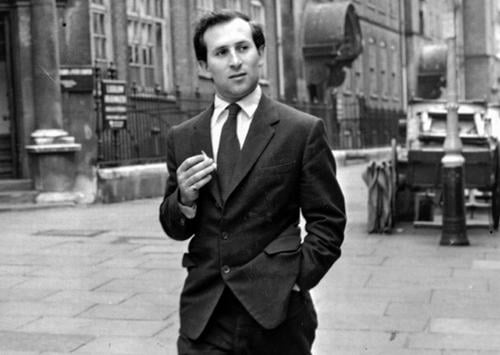
Arnold Wesker talks with Studs Terkel ; part 2
1962 Terkel Talks with known English Dramatist Sir Arnold Wesker (part 2) about the economy of England. The talk begins with the subject of apprentices and when students began their apprenticeship (usually at the age of 15). This is a two part interview
-
Allen Kaplan, Robert Nelson, and George [Troynell?] of the American Federation of Government Employees
Jan. 15, 1975 Interviewing three officials of unions of government employees: Allen Kaplan, Bob Nelson, George Troynell and discussing the importance of unions for workers rights.
-
A. V. Krebs discusses his book "The Corporate Reapers: The Book of Agribusiness"
Sep. 10, 1992 A.V. Krebs discusses his book "The Corporate Reapers: The Book of Agribusiness" (published by Essential), farming, and food manufacturing. A clip of an interview with a family farmer with the last name [Nermeyer] and her husband is included. Songs have been removed due to copyright.
-
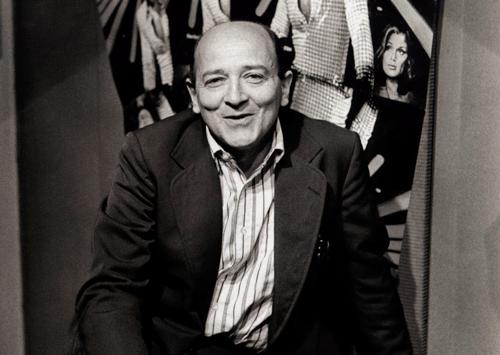
A London cab driver discusses traffic and Karel Reisz talks about making movies
1962 While riding in a cab, the driver talks about the narrow streets of London. He also talks about the traffic and why he believes traffic will only get worse in the future. Producer and director Karel Reisz explains how making films in England and America differ from how films are made Italy. Reisz also talks about the freedom of a director when making a film. With regards to viewership, according to Reisz, films are in 2nd place behind TV.
-
A conversation with Dennis Smith
Sep. 18, 1975 The New York City firefighter and writer reads from his book, The Final Fire, and discusses his two careers. Includes a clip of an interview with Brooklyn firefighter Tommy Gates.*Please note: some sections have been edited out from the original recording due to copyright considerations
-
A cockney carpenter discusses his life and Clancy Sigal discusses London
1962 Interviewing with a cockney carpenter (until 12:14), and Clancy Sigal while Studs was in England.